
IMPACT AREASWomen, young people and community leadership
Restoration fails when it leaves people behind. Those with the most at stake in maintaining healthy forests and landscapes are often the last to be consulted on decisions and resources: young people whose futures depend on productive land, women who regularly collect firewood and water, or people living with disabilities who rely on forest resources close to home. Addressing this exclusion is not a secondary consideration, it’s a precondition of lasting change.
Inclusion as a condition of change
Across sub-Saharan Africa, women account for roughly 40-50% of the agricultural labour force, yet only represent around 15% of agricultural landowners and can have limited access to credit, training or formal markets. When land degrades, it is often women who walk further to collect firewood and water, or who absorb the sharpest nutritional impacts of reduced harvests. Meanwhile, the economic prospects of Africa’s younger generations – 60% of Africa’s population is under 25 – depend on whether the landscapes they inherit are restored or degraded. Moreover, their energy and local knowledge often remain underused.
The evidence that inclusion drives better outcomes is clear. When women are supported with land rights, training and economic opportunity, trees are better cared for, household nutrition improves and more money is reinvested into the community. When young people are trained and given real responsibilities in conservation, they can become the forest scouts, nursery managers and environmental advocates who sustain restoration for the long term. And when community organisations are properly resourced and trusted to lead, they build the local systems of knowledge and accountability that external projects can find difficult to replicate.
Building from within
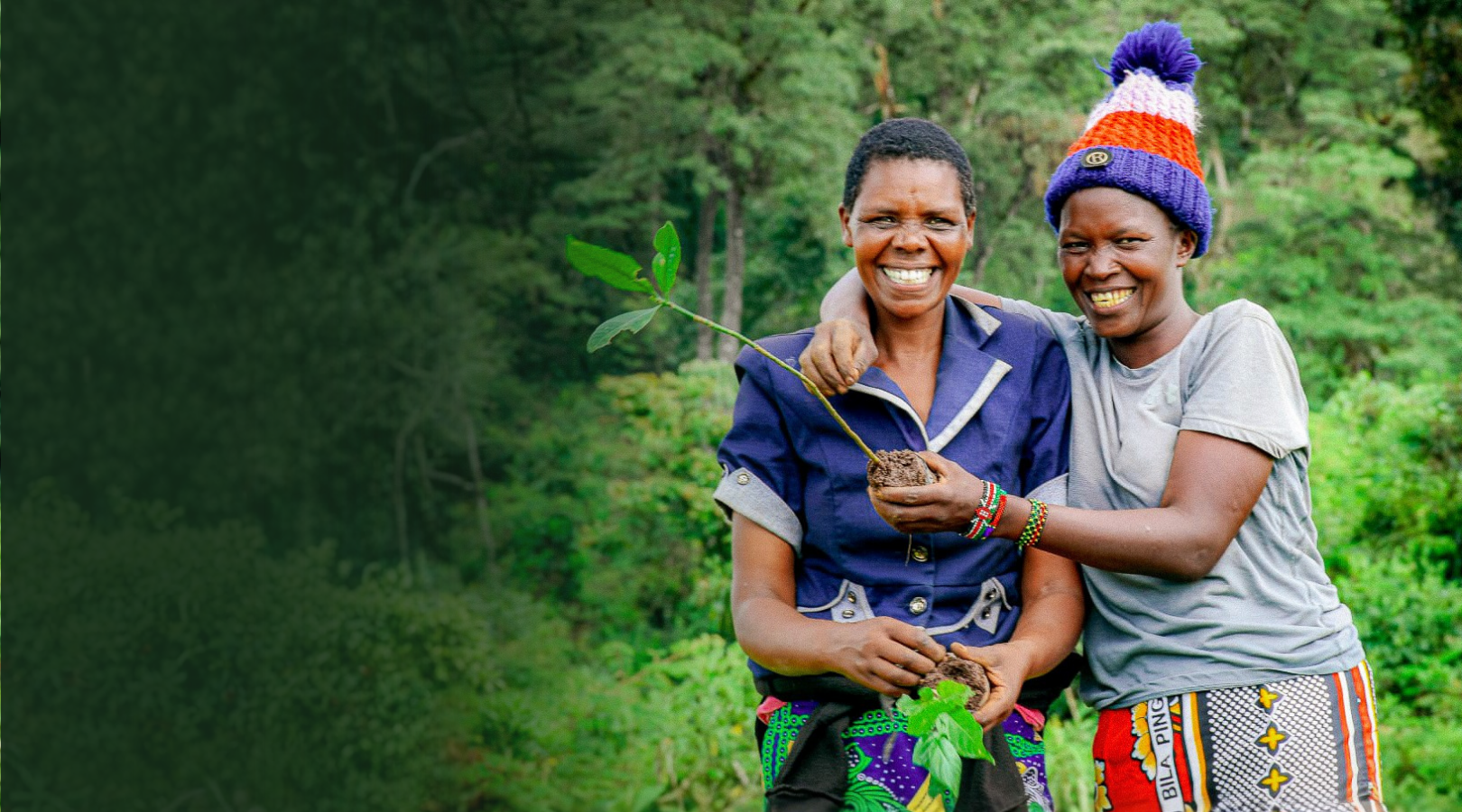
ITF’s programmes are designed to create opportunities for those most often excluded. Women and young people aren’t simply the beneficiaries of restoration – they’re increasingly trained, employed and positioned to run it.
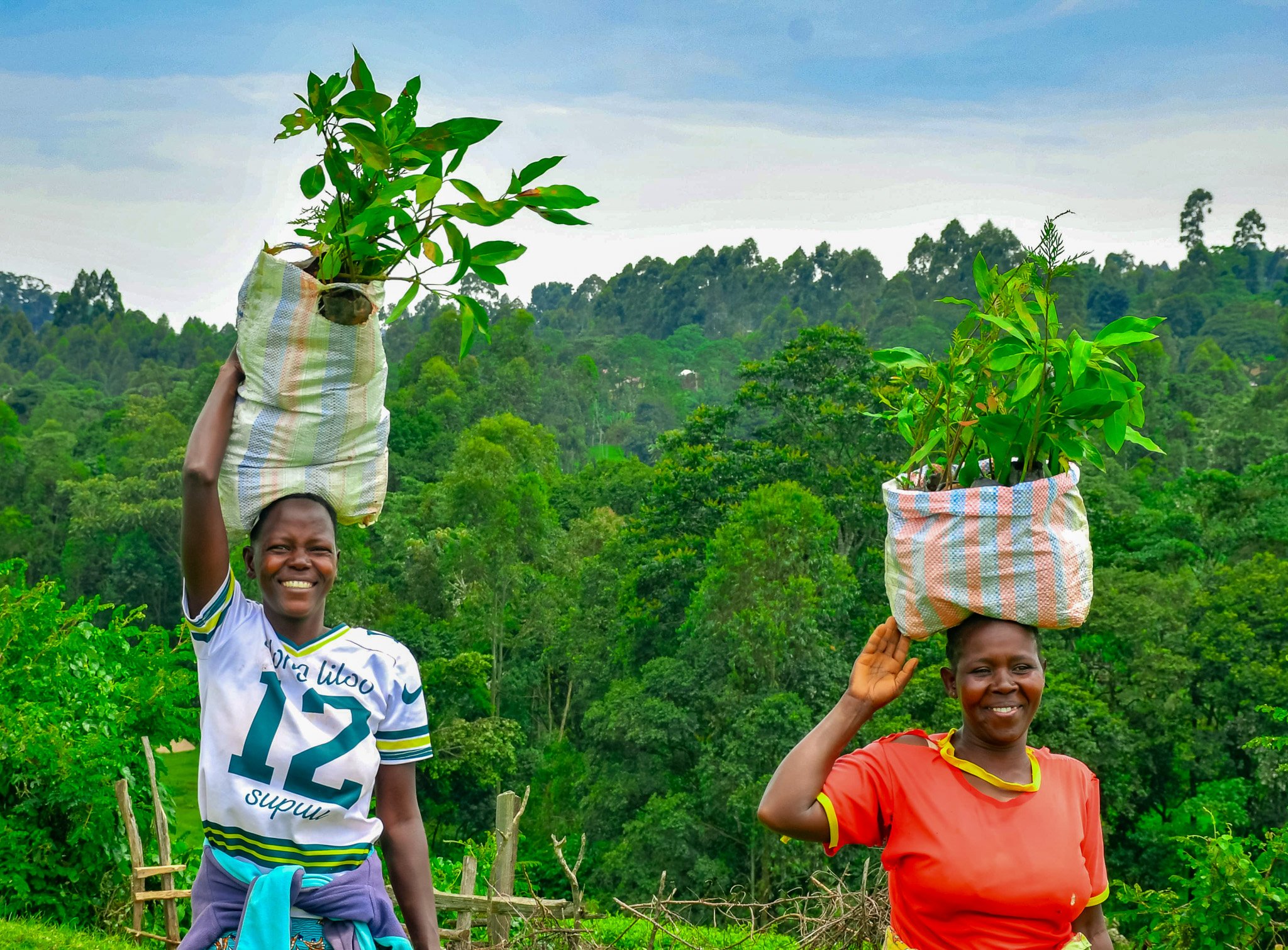
Community nurseries led by women create skilled employment opportunities and income through seedling production and sales. Agroforestry training gives women the agency and practical skills to generate a direct income from the trees on their land. Beekeeping enterprises organised through women’s groups combine nature-based livelihoods with a direct incentive to protect forest habitats. Village Savings and Loans Associations, built into many ITF projects, provide access to the credit and financial literacy historically denied to women in rural communities.
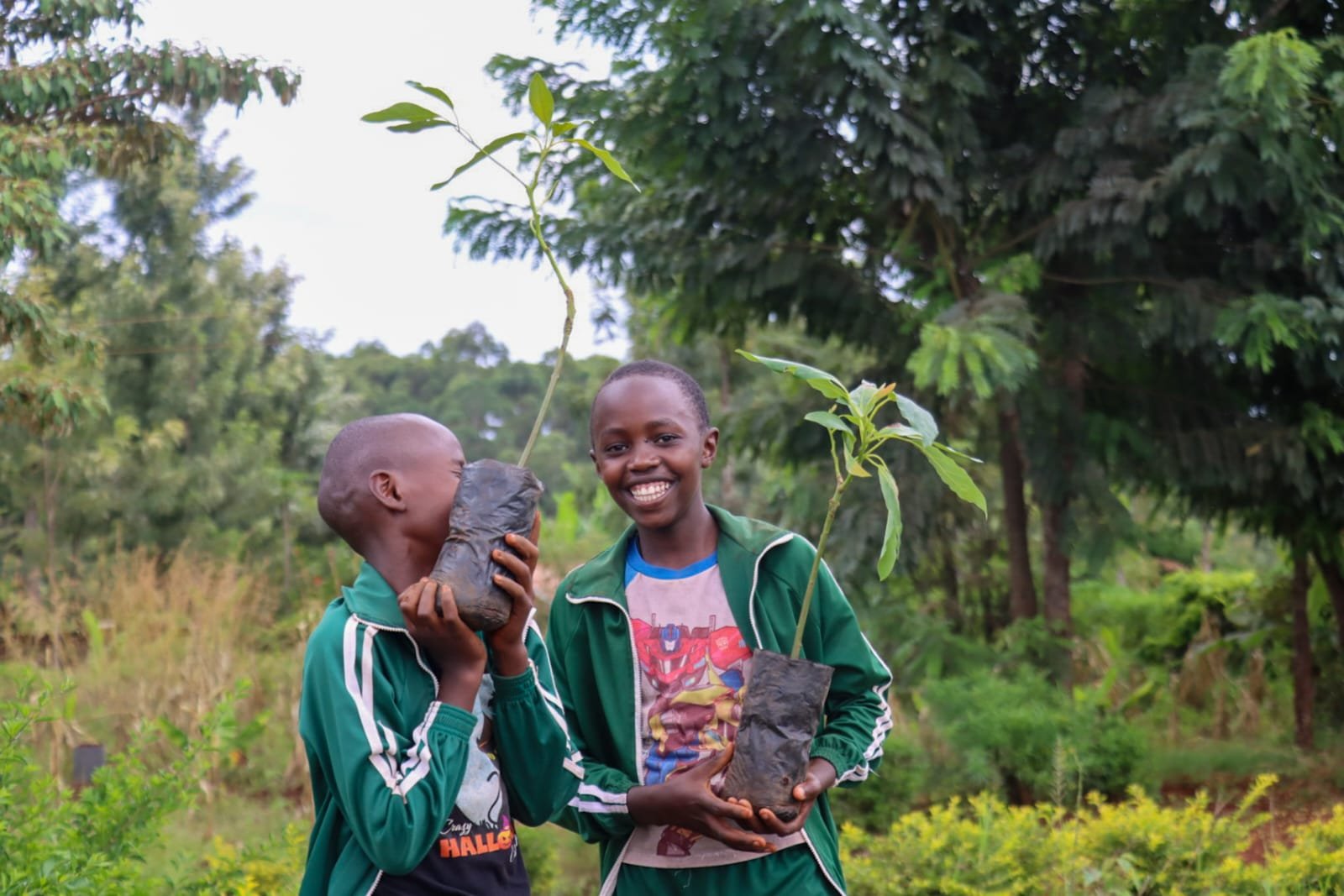
For young people, ITF programmes build knowledge and practical skills through school-based nurseries, planting programmes and conservation clubs, creating a generation of trained environmental stewards. Beyond school, young people can be employed as forest scouts, nursery workers and restoration monitors – roles that grow income, skills and a long-term stake in the landscapes they’re helping to rebuild.
ITF also invests directly in the capacity of community-based organisations and Community Forest Associations – providing technical training, mentoring, financial management support and access to broader networks – so local institutions can lead restoration independently and attract further investment of their own. There are now 30 community-based partner organisations working with ITF across East Africa.
Measuring the change
More than 31,000 women and girls benefited from ITF programmes in 2025 alone.
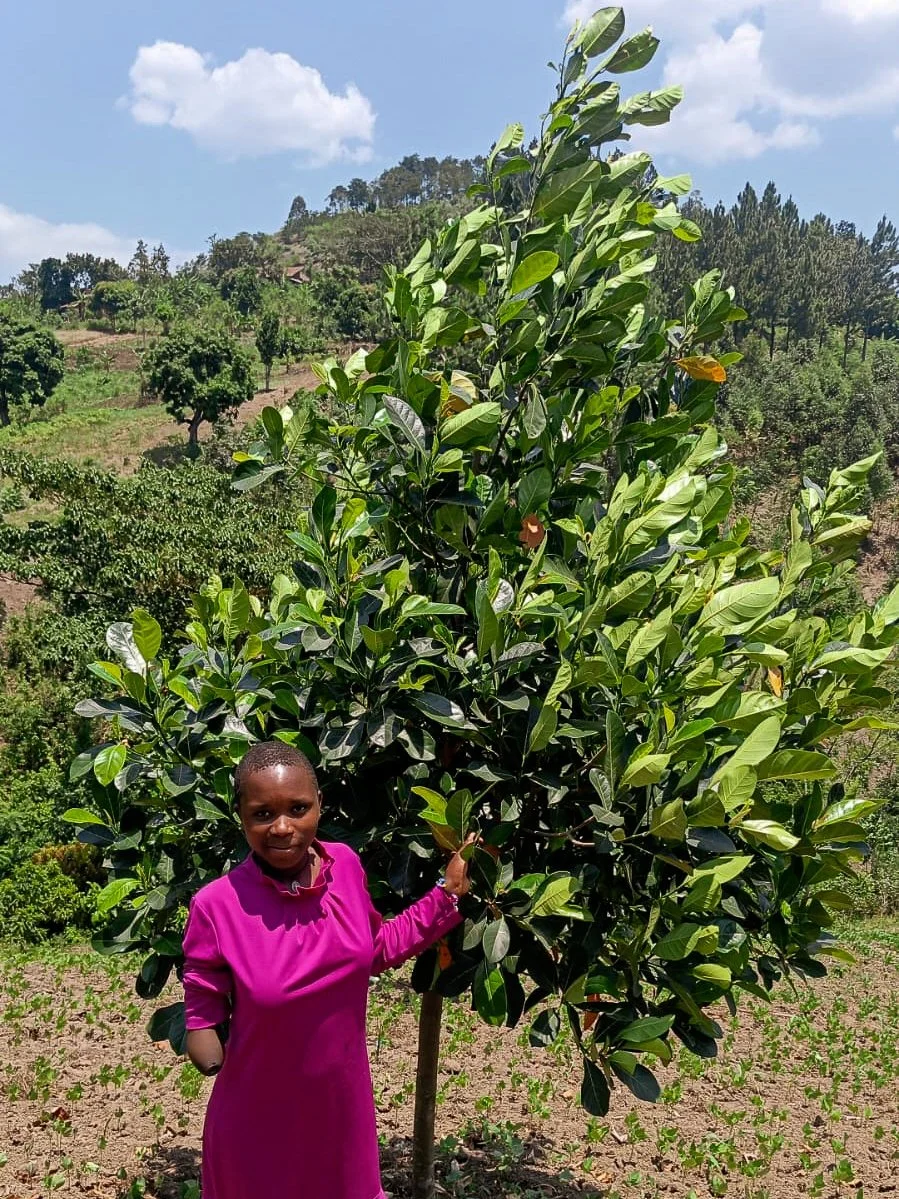
In Uganda, Binyinyi Tereza was trained in sustainable farming through the Karambi Group of People with Disabilities, an organisation that ITF supports. “It was a turning point for me,” she says, “I gained valuable skills in sustainable farming and started my own backyard garden, which has been truly life changing. Not only have I improved my access to nutritious food, but my self-esteem has also soared. I’m now passionate about sharing my knowledge with my neighbours.”
In the Iloro community in Kenya’s Kakamega Forest, women’s representation in the Community Forest Association has risen from 14% to 39%, giving more women a voice in managing the woodlands they depend on. At the Dundori and Bahati forest restoration project in Kenya, 88.75% of participants in project activities were women.
Youth leadership is equally visible. The 35 members of Usevya Secondary School’s environmental club in Tanzania have grown over 11,000 trees in their school nursery, providing fruits, shade and income from seedlings. At Mirumba Secondary School in the same district, student Baraka Msunga Mageti outlined their long-term ambition: “When we leave school we will continue to be environmental ambassadors in our homes and in the communities, telling them about the importance of conserving our environment.”
Across ITF’s programmes, 1,450 young people learned about the environment and conservation in just one recent year. Within Tanzania’s schools, 880 young climate change advocates have been trained. In Uganda, 50 young people living with disabilities have been upskilled through sustainable livelihood training – part of a deliberate effort to ensure that restoration creates opportunities for those often furthest from it.
Daniel Misaki started learning about environmentalism as a teenager, began a wildlife club at school and went on to found and lead the Ihandiro Youth Advocates for Nature to combat the degradation and poaching in his local area. With support from ITF, Daniel and IYAN have planted over 6,000 trees in 10 schools across Nyakihumbu in Uganda and helped to install over 200 eco-stoves in community households. His mission is to inspire an environmental movement that transforms communities’ relationship with their forests: “we’re creating that feeling where someone says, the environment belongs to me.”
Building resilient futures
Healthy forests and resilient communities depend on one another. Discover more of ITF’s Impact Areas.
Sustainable livelihoods & rural economies
Climate resilience & climate adaptation
Forest ecosystem & landscape restoration
Water security & watershed restoration
Biodiversity, wildlife & nature recovery
Part of a global movement for nature