
IMPACT AREASBiodiversity, wildlife and nature recovery
International Tree Foundation restores biodiversity across East Africa by protecting the region’s most threatened tree species and rebuilding the forest habitats that wildlife depend on.
Habitats under threat
Our work is a response to an ecological crisis across the landscapes we operate in. Africa loses an estimated 2.96 million hectares of forest every year – an area roughly the size of Switzerland and the second highest net forest loss of any region in the world. In Kenya alone, 144 of the country’s native tree species are now threatened with extinction.
Losing even a single tree species can set off a wider chain reaction: forests become more vulnerable to fire and disease, habitats shrink, wildlife populations decline and the communities that depend on these environments face growing hardship.
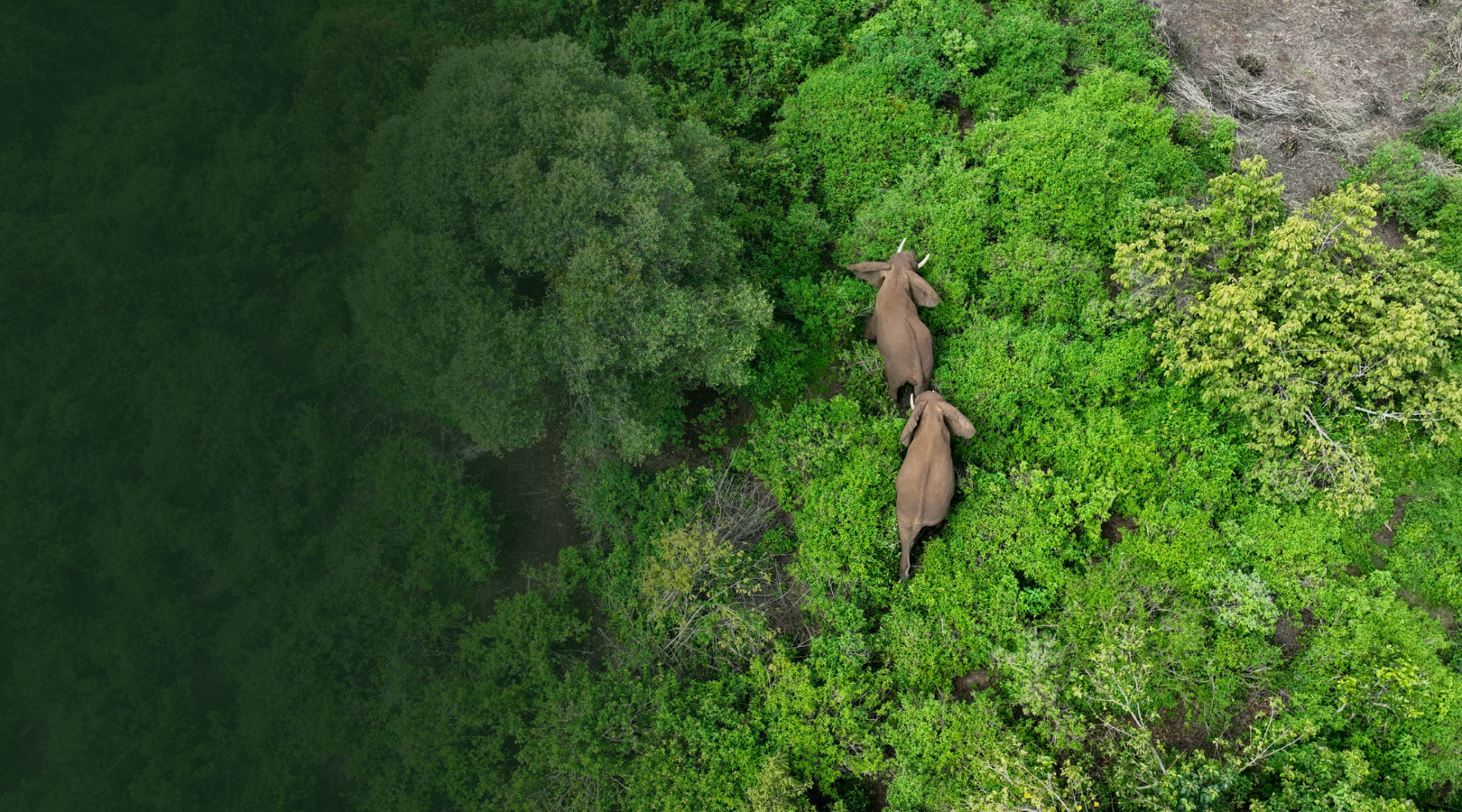
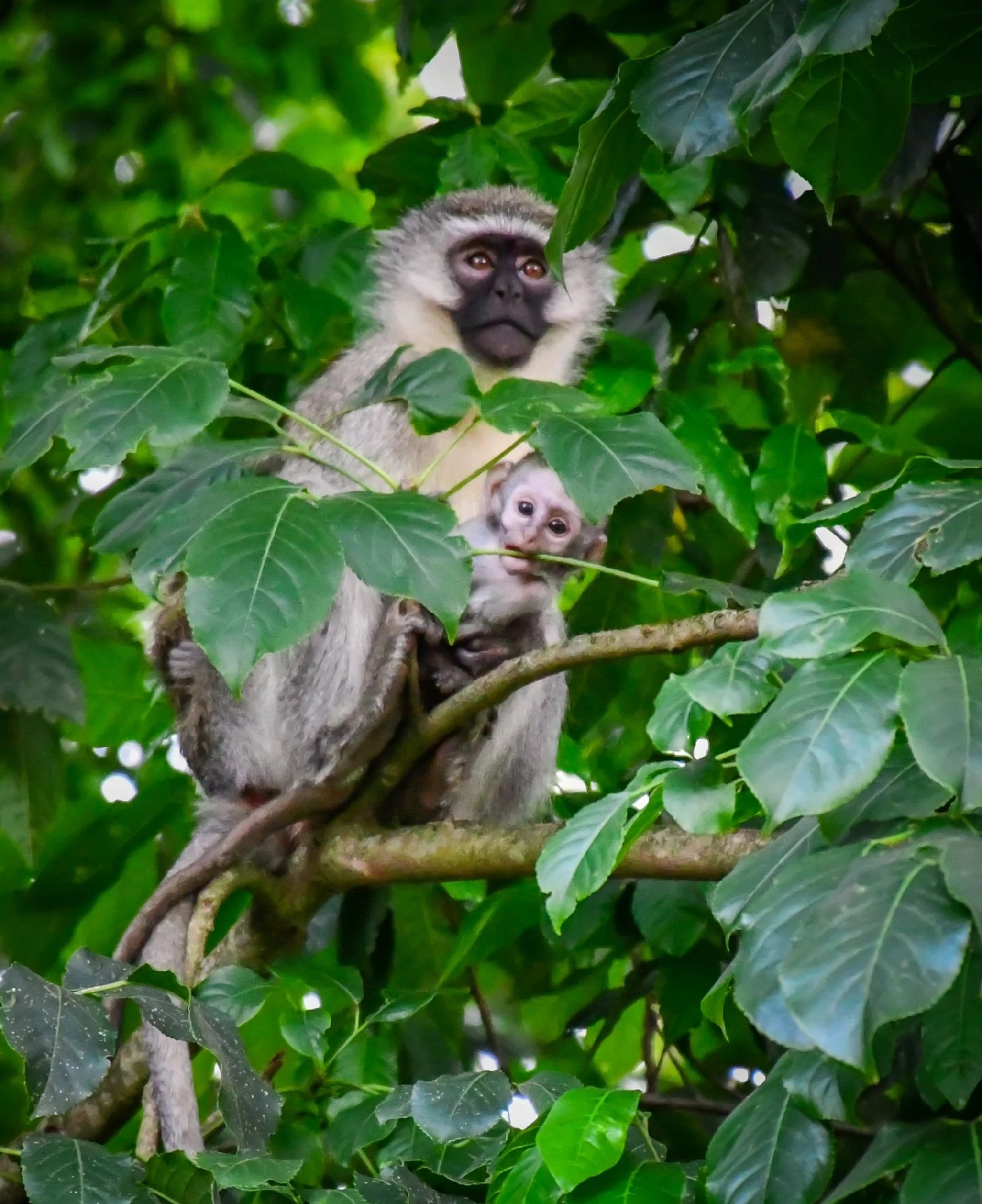
The consequences are already visible inside and around the areas ITF works to protect in East Africa. Forest loss has pushed the Tana River red colobus to the brink of extinction, the critically endangered mountain bongo depends on forests for food, shelter and movement between habitats, while a range of factors, including poaching, saw Tanzania’s elephant population fall by 60% in a decade.
ITF supports locally led nature recovery across East Africa, working with communities to identify:
Which species and habitats a landscape can support
What is currently preventing their recovery
What local people need to sustain restoration over time
Most of our project sites fall within internationally recognised Key Biodiversity Areas – places that are critical to the survival of globally threatened species, from primates and large mammals to birds and amphibians. Our restoration work here serves two connected objectives: recovering threatened tree species, then rebuilding wider habitat conditions – canopy cover, structural diversity and ecological connectivity – that species such as mountain gorillas and elephants depend on.
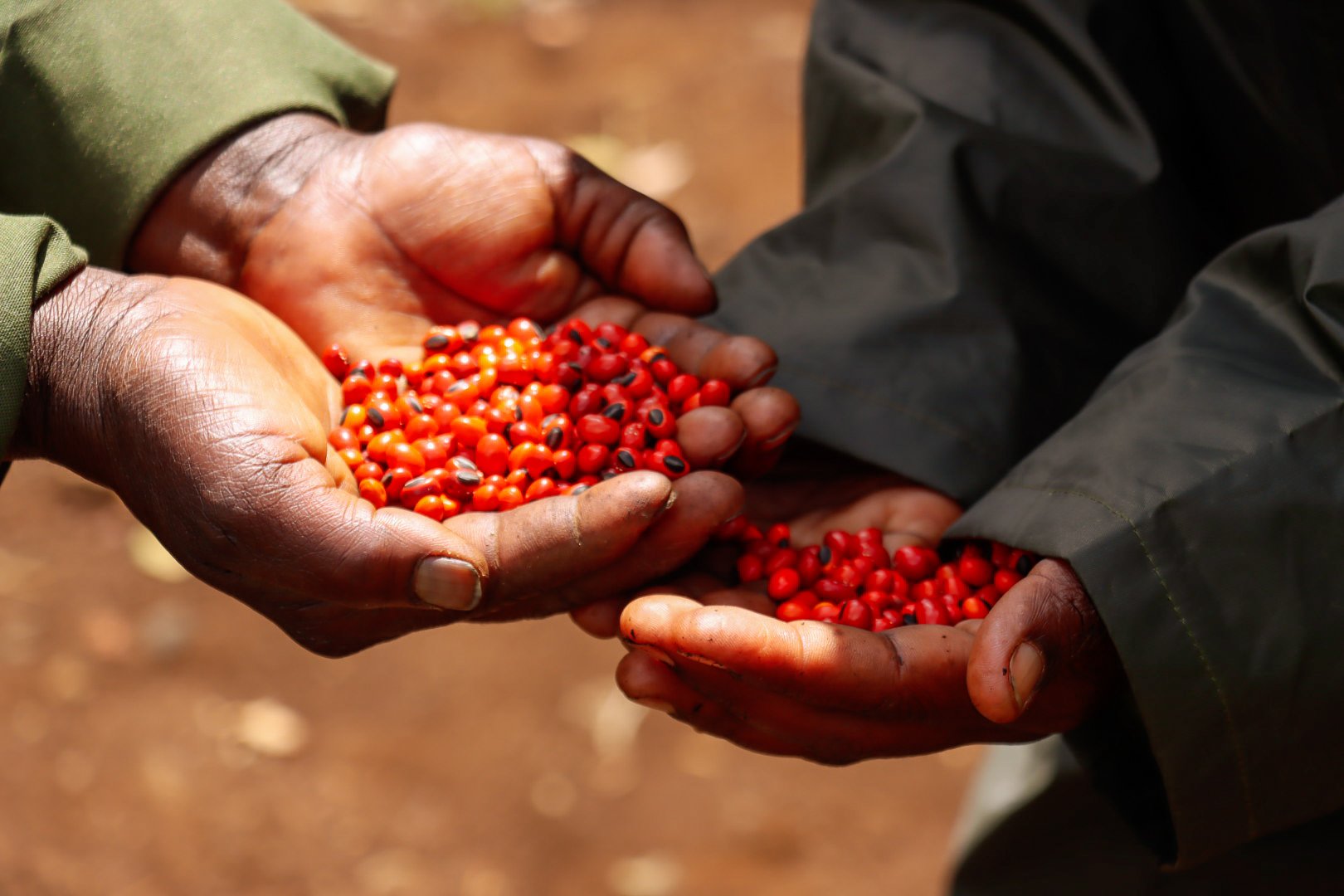
In Kenya, Uganda and Tanzania, our approach is to train local people to identify and monitor ‘mother trees’, harvest seeds at peak maturity and propagate threatened species in community nurseries. Seedlings are then planted back into degraded forest, or integrated into agroforestry systems on surrounding farms, extending species recovery into the wider landscape.
Alongside this work, ITF builds institutional capacity through technical training. We partner directly with organisations like the Botanic Gardens Conservation International, the National Museums of Kenya and the Kenya Forest Service (KFS), to develop capabilities in seed collection, nursery management and ecological monitoring. In one recent project we upskilled 20 KFS foresters in threatened species phenology and nursery management, as well as running in-person sessions to train members of the East Africa Wild Life Society and A Rocha Kenya.
Across East Africa our restoration is paired with investment in local institutions. We equip community groups to monitor, manage and protect what’s been planted, long after a project’s funding cycle ends, so that results are more likely to last, rather than depending on continued external input.
Restoring species and Key Biodiversity Areas
Measuring the change
A model that delivers against its targets
ITF’s Franklinia Foundation-supported project is one of the clearest demonstrations of this approach at work. Our community nurseries are already propagating 17 threatened tree species (against a target of 15), including three species considered very difficult to propagate, with around 79,600 seedlings growing overall. On the ground we’ve planted almost 400,000 threatened and native trees, independently monitored at an average establishment rate of 88.32%, with the project also delivering 50 beehives and beekeeping training to help improve crop pollination in buffer zones.
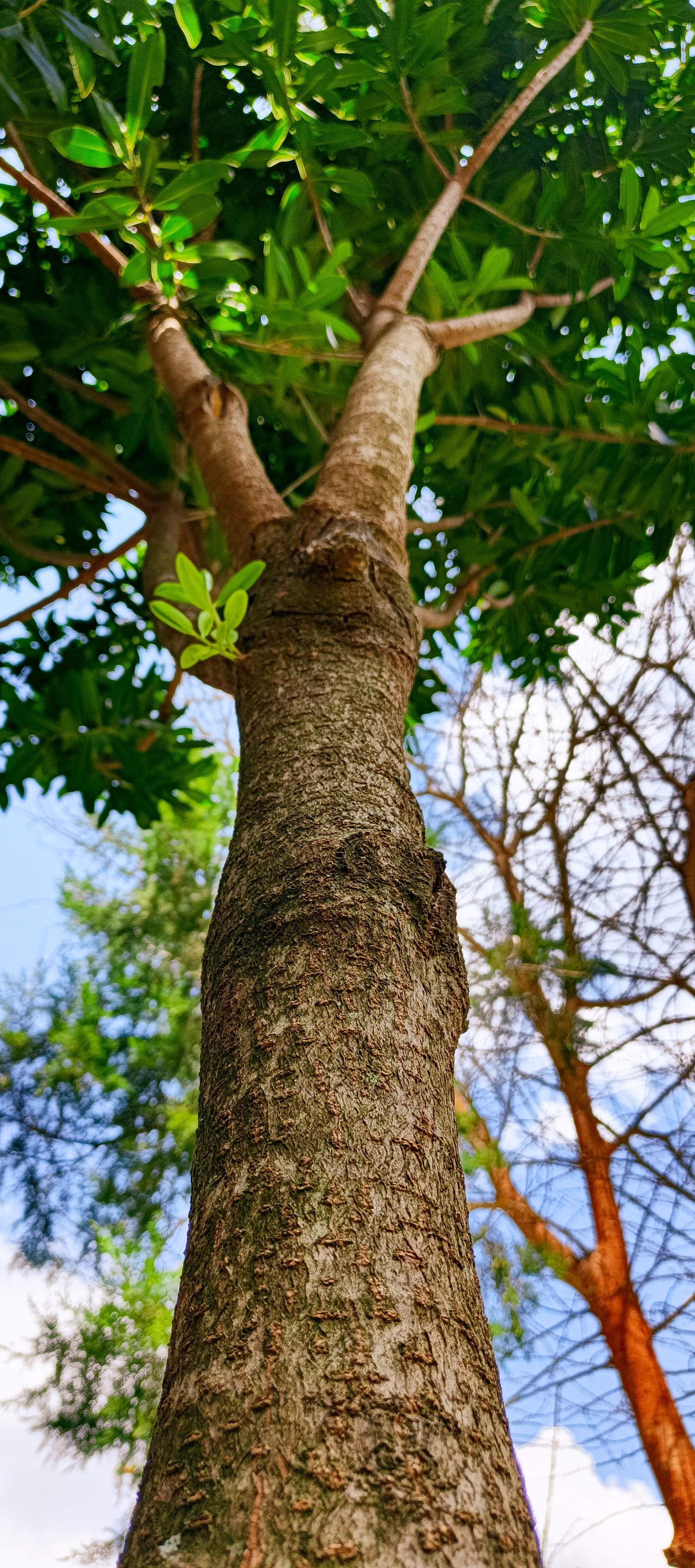
A recent survey of Kenya’s Kobujoi Forest illustrates why this work matters: just two mature East African greenheart trees (Warburgia ugandensis) were found still standing – a species used for generations to treat malaria, coughs and fevers.
Wildlife returning
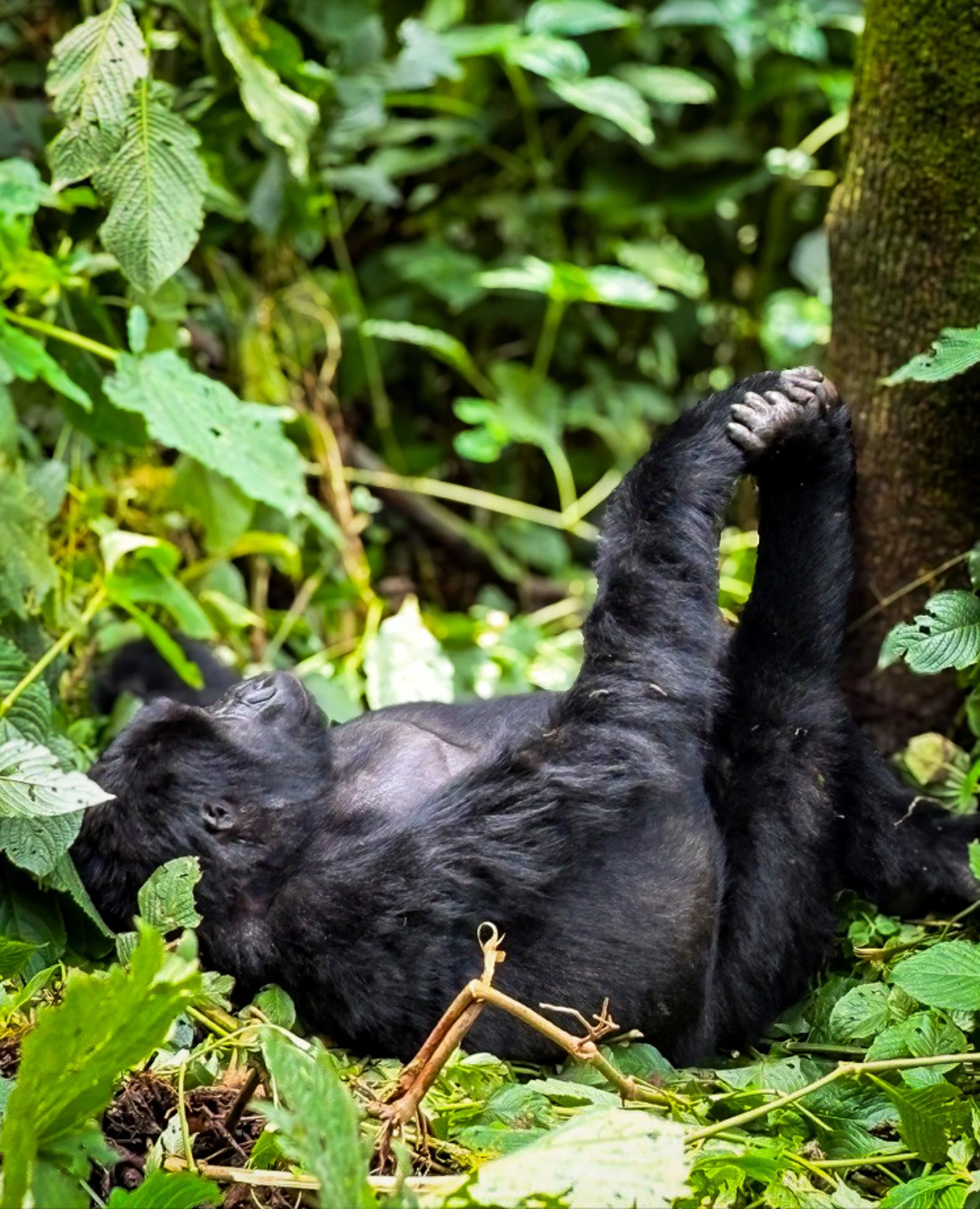
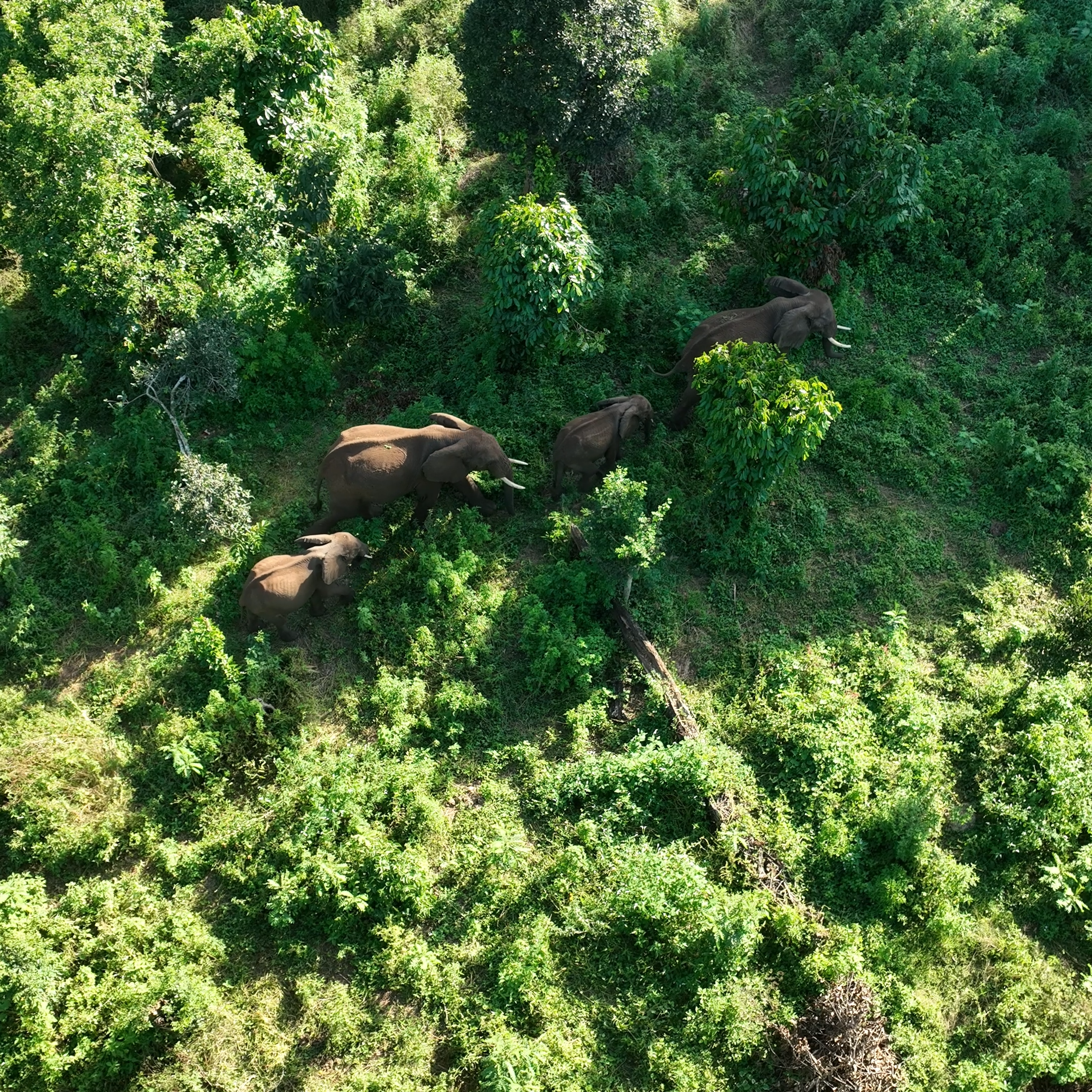
Despite a regional backdrop of severe forest and species loss, 80% of recent ITF projects in Africa recorded improvements in biodiversity or ecosystem recovery. Elephant populations in Kenya’s Meru Forest are rising, while dik-diks, antelope, hares and invertebrates are now well established in Ndaragwa Forest. Species absent for years are returning to restoration sites across Uganda’s Mount Elgon, Rwenzori and Bwindi regions, with elephants, buffaloes, birds, wild pigs and rodents documented at Mount Elgon National Park. At Bwindi – one of the last remaining refuges for the mountain gorilla – 19 tree species have been planted in collaboration with the Centre for Research Uptake in Africa, rebuilding forest habitat that gorilla populations depend on. Meanwhile, Tanzania’s Wamweru water catchment – a site of deep cultural significance to local communities – is once again providing a habitat for primates, birds and reptiles following our partnership work with Watu, Simba na Mazingira (WASIMA).
Independently verified outcomes
These restoration outcomes don’t just rely on our own reporting. An independent evaluation of our Dundori and Bahati Forest project (Nakuru County, Kenya) found that the project had planted 101,225 indigenous trees – 101% of the target. It also recorded threatened species being established on site, including Prunus africana and Hagenia abyssinica, with 98.75% of surveyed community members seeing a noticeable improvement in local biodiversity.
An evaluation of ITF’s Mount Elgon Water Tower project, with monitoring involving Uganda Wildlife Authority officials, confirmed 71,807 indigenous trees had been planted with a 92% survival rate. It also documented ecologically important species, such as Syzygium guineense, alongside the return of elephants and buffalo. In the country’s Rwenzori Mountains – part of a UNESCO World Heritage biodiversity hotspot – we’ve already planted and nurtured over 33,000 diverse trees in Rwenzori Forest, along the River Lhubiriha and in local farms, focusing on promoting biodiversity and ecosystem health.
These outcomes are also tracked through ITF’s participatory monitoring systems, combining community-based data collection with GIS technology and allowing us to report with evidence where restoration is working.
Building resilient futures
Healthy forests and resilient communities depend on one another. Discover more of ITF’s Impact Areas.
Sustainable livelihoods & rural economies
Climate resilience & climate adaptation
Forest ecosystem & landscape restoration
Water security & watershed restoration
Women, young people & local leadership
Part of a global movement for nature