


News and views
Discover the latest stories from our partners and the impact your generous donation is making for people and planet. And read our views on the issues facing our environment and the communities we work with.

From coffee chats to forest restoration: The inspiring story of Wezesha
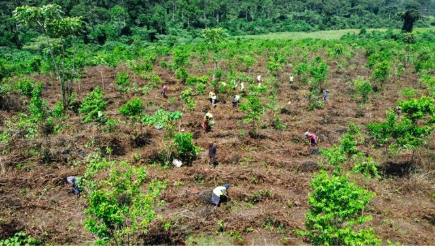
In Nakuru County, Kenya, Wezesha, a local women-led organisation, is on a mission to revitalise Dundori Forest and build a brighter future for the people who depend on it.
What a difference just 2 years make
80,000 indigenous seedlings, 193 tree planters and 2 years, things can change quickly when people come together to make a fast and lasting difference.
A living legacy
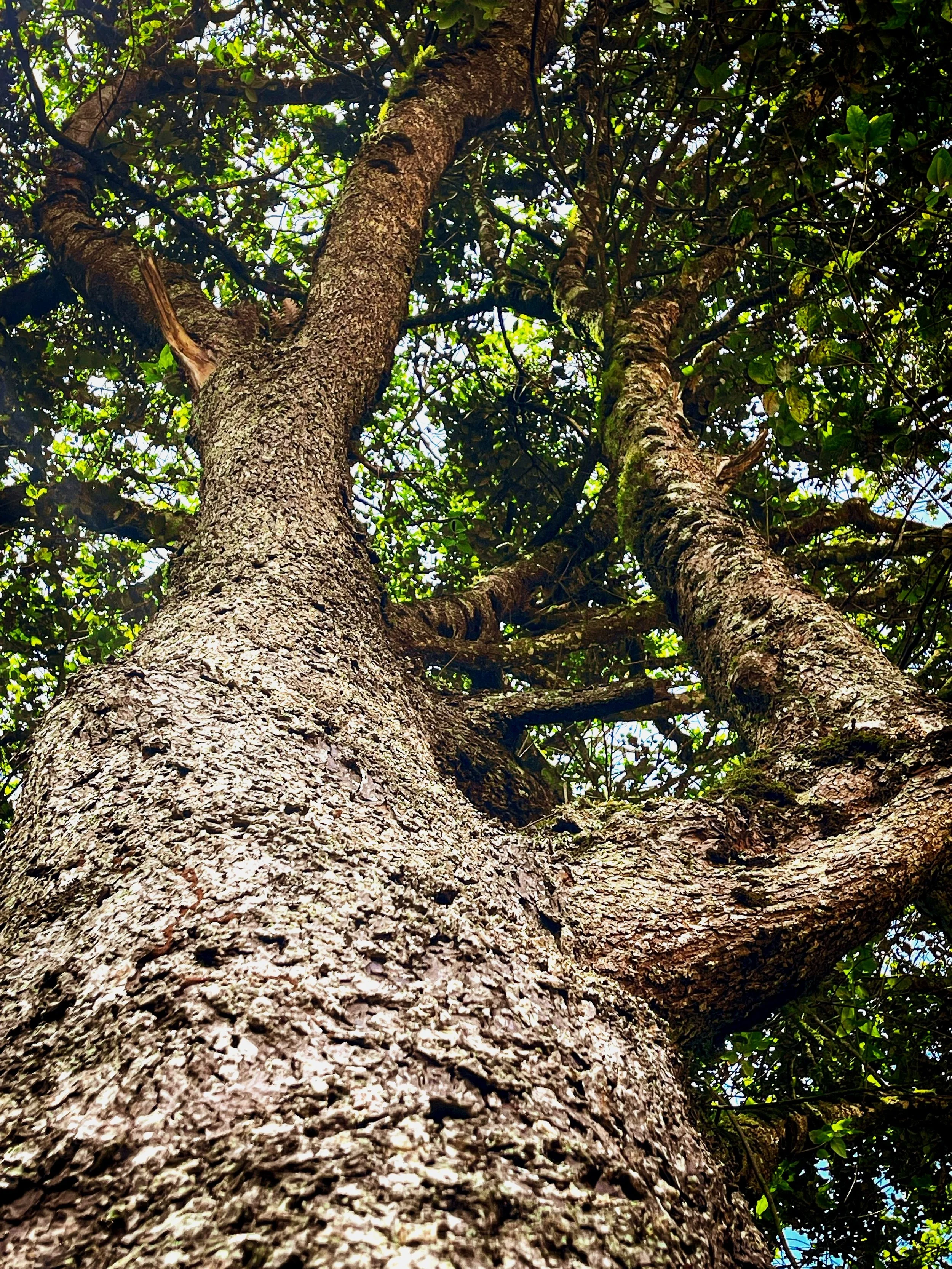
Not long ago I was gazing up at a huge East African camphor tree close to Mount Kenya. It had been as part of one of ITF’s early projects in 1956. The people who planted it could never have known who would benefit from it decades later, yet it is still there.
How a ‘pocket forest’ saves human communities and mountain gorillas
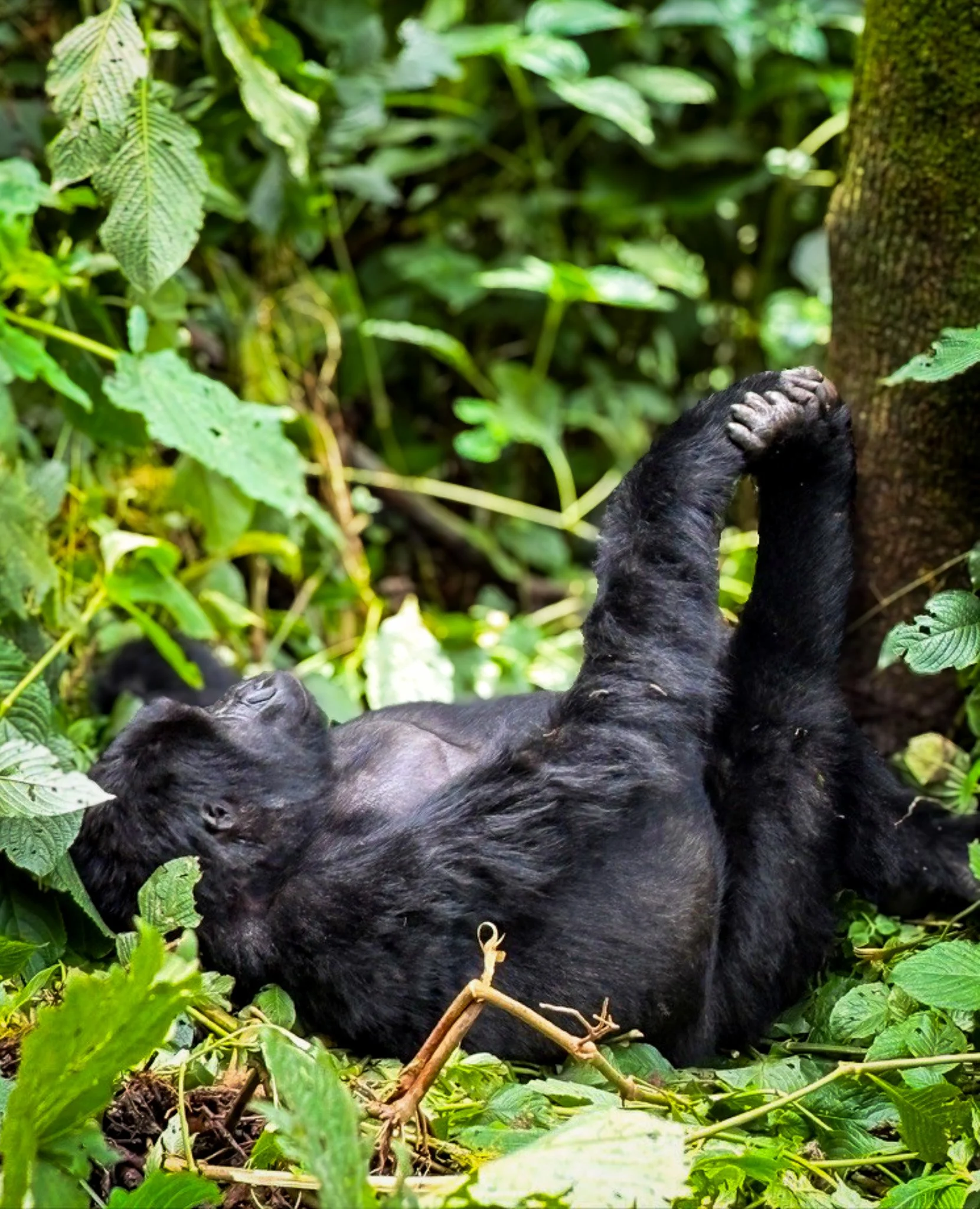
This summer I decided to meet the mountain gorillas of Uganda. This has been a dream ever since I read Dian Fossey’s book, Gorillas in the Mist. I wanted to do it before it became too physically challenging — and challenging it certainly was!
The trees that made peace between brothers
The argument between Jackson Lechabara and his brothers had been running for years. No-one could agree exactly where his bit of the farm ended and where theirs began, but either way it was making farming across the land more difficult. It was the kind of debate you could see carrying on for ever.
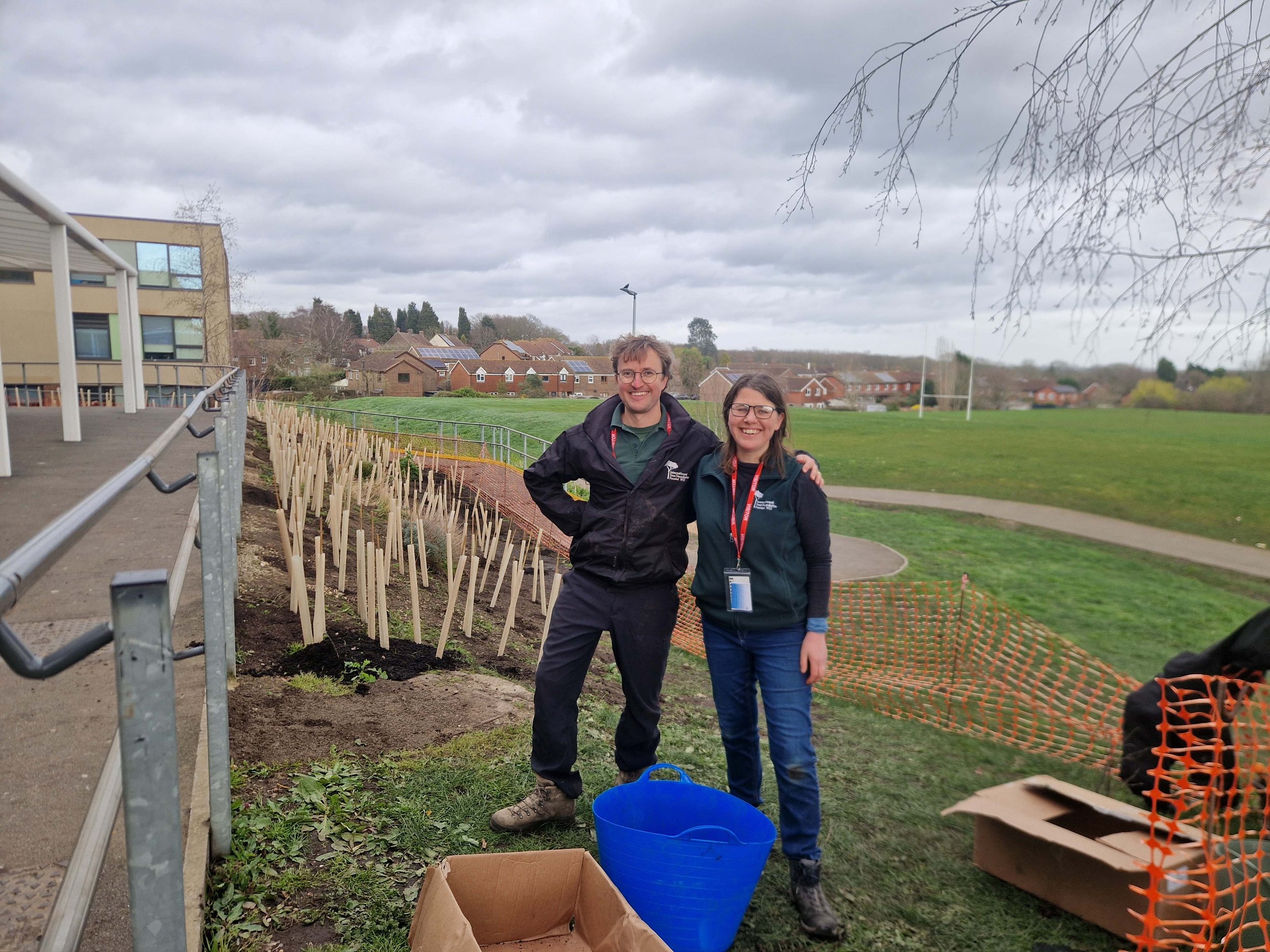
Planting roots in Sussex
When 170 students walked out of classrooms at Chailey School this year, they were heading to plant trees that they’ll watch grow for the rest of their time there.
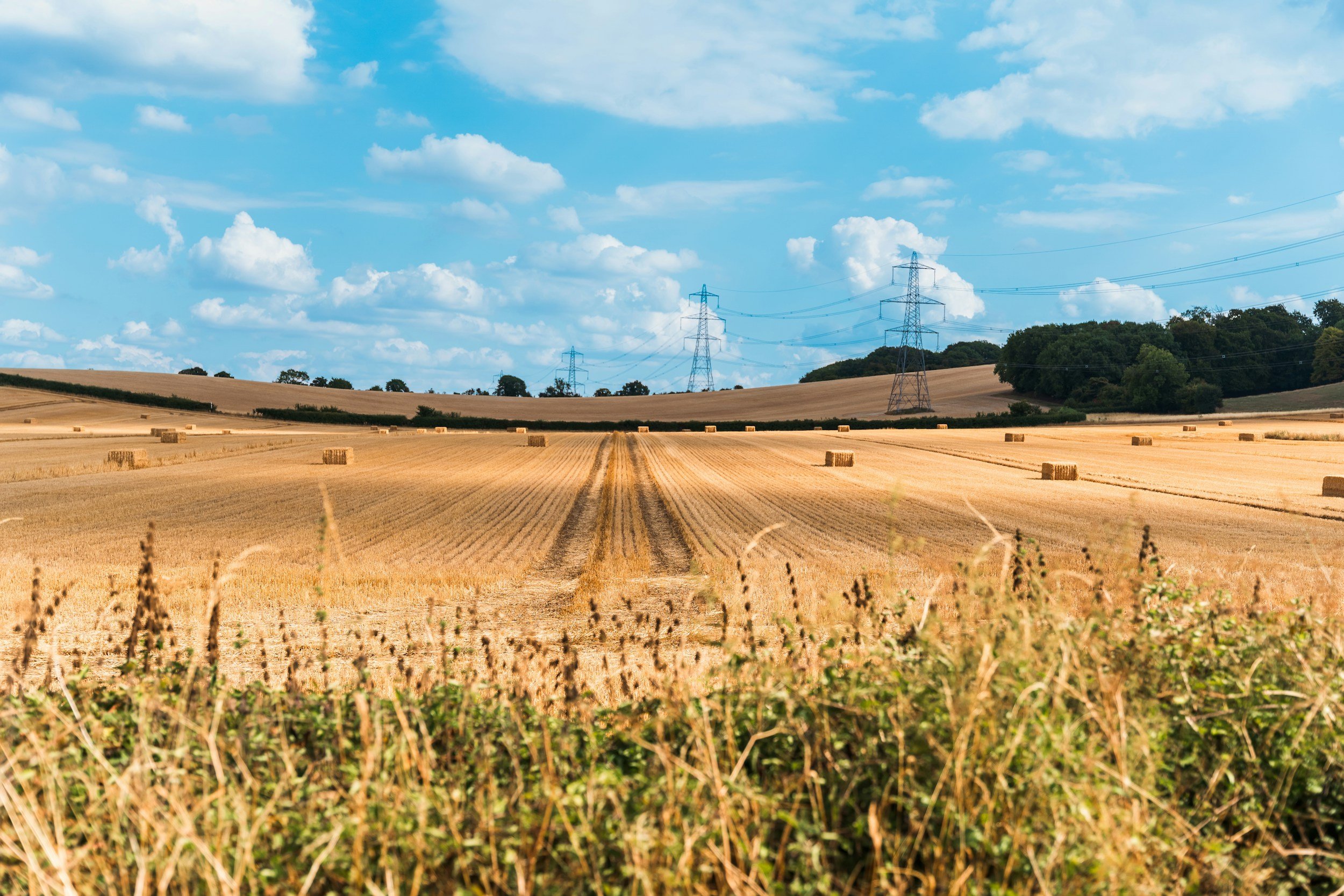
Cool trees
When it is hot, one of the best places to be is under a tree. You don’t need a scientific study to tell you that. But research shows just how important that cooling is and why access to trees will matter increasingly as temperatures rise.
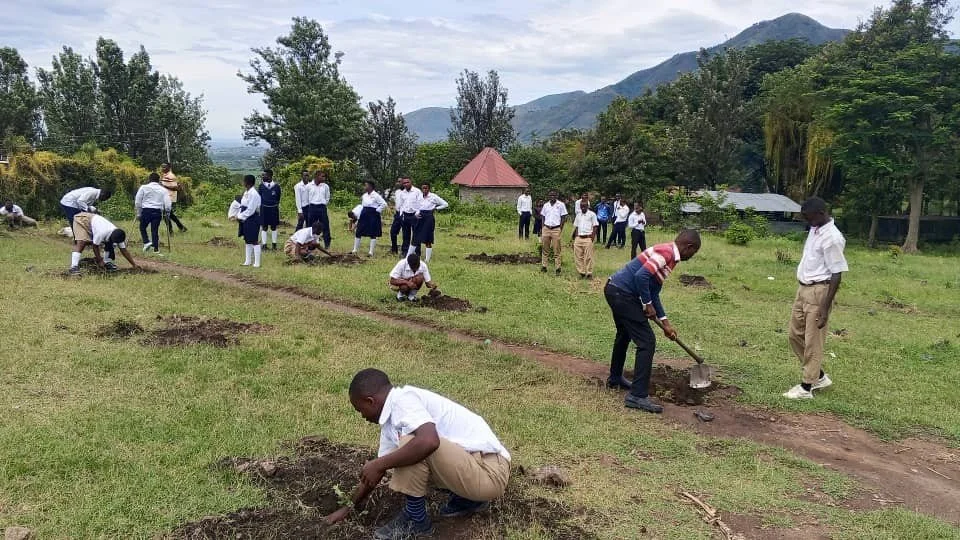
Growing tomorrow’s forest from today’s schoolyard
At King Jesus College, the positive changes are already visible. This year 550 trees went into the ground: mangoes, jackfruit, avocado, terminalia, grevillea, musizi and more – species chosen for the site, the soil and for what they can give back to the community around them.
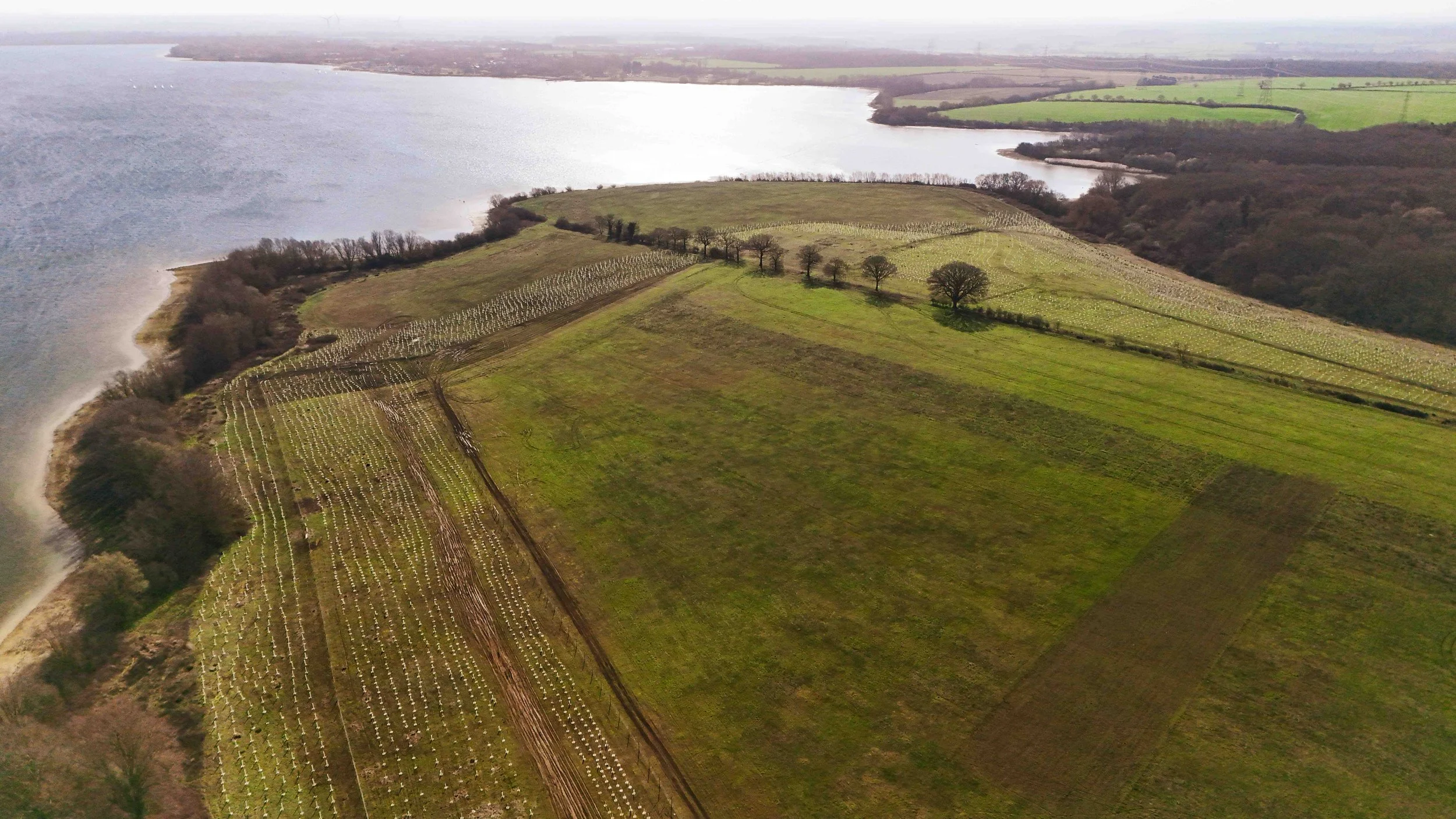
ITF partner visits: seeing community woodlands take root
One of the most rewarding parts of my role at ITF is seeing young trees beginning to establish and meeting the people whose enthusiasm has made these projects possible.
Across the UK, ITF works with community organisations to plant trees in places people use and enjoy, schools, farm shops and parks, as well as alongside popular walking and parkrun routes.
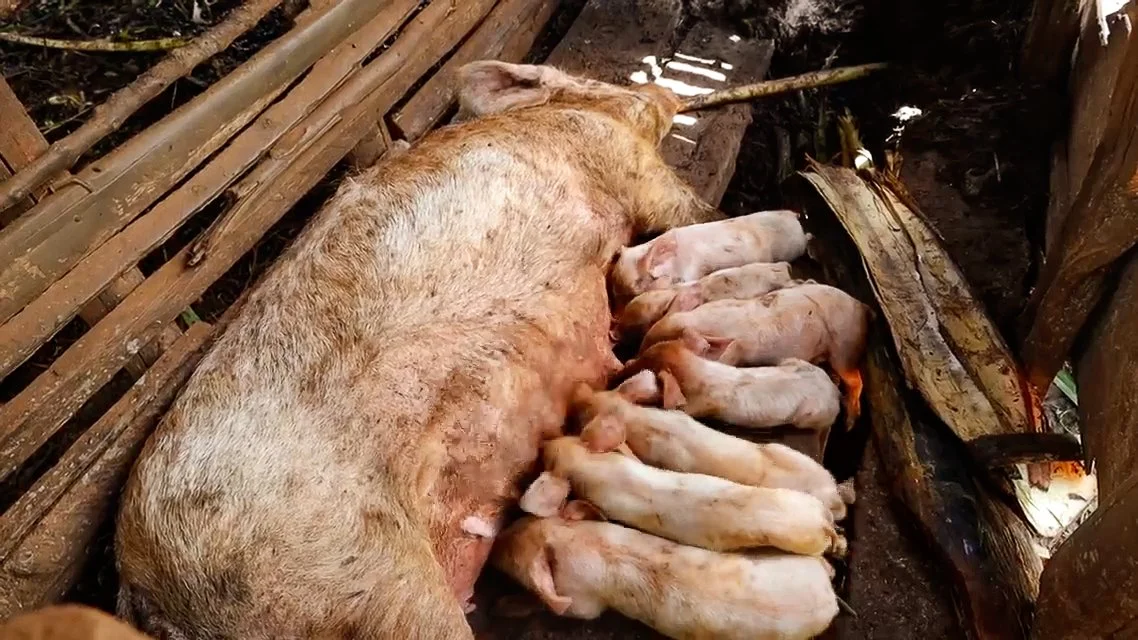
It starts with nine piglets
In Ganzo village on the lower slopes of Mount Elgon, Annet Kanyanga had a plan. Like many of her neighbours she’d been earning an extra income planting trees in the national park, part of a restoration project run by ITF and local partner METGE. Now that the work was finished, she knew exactly where the money she was making would go.
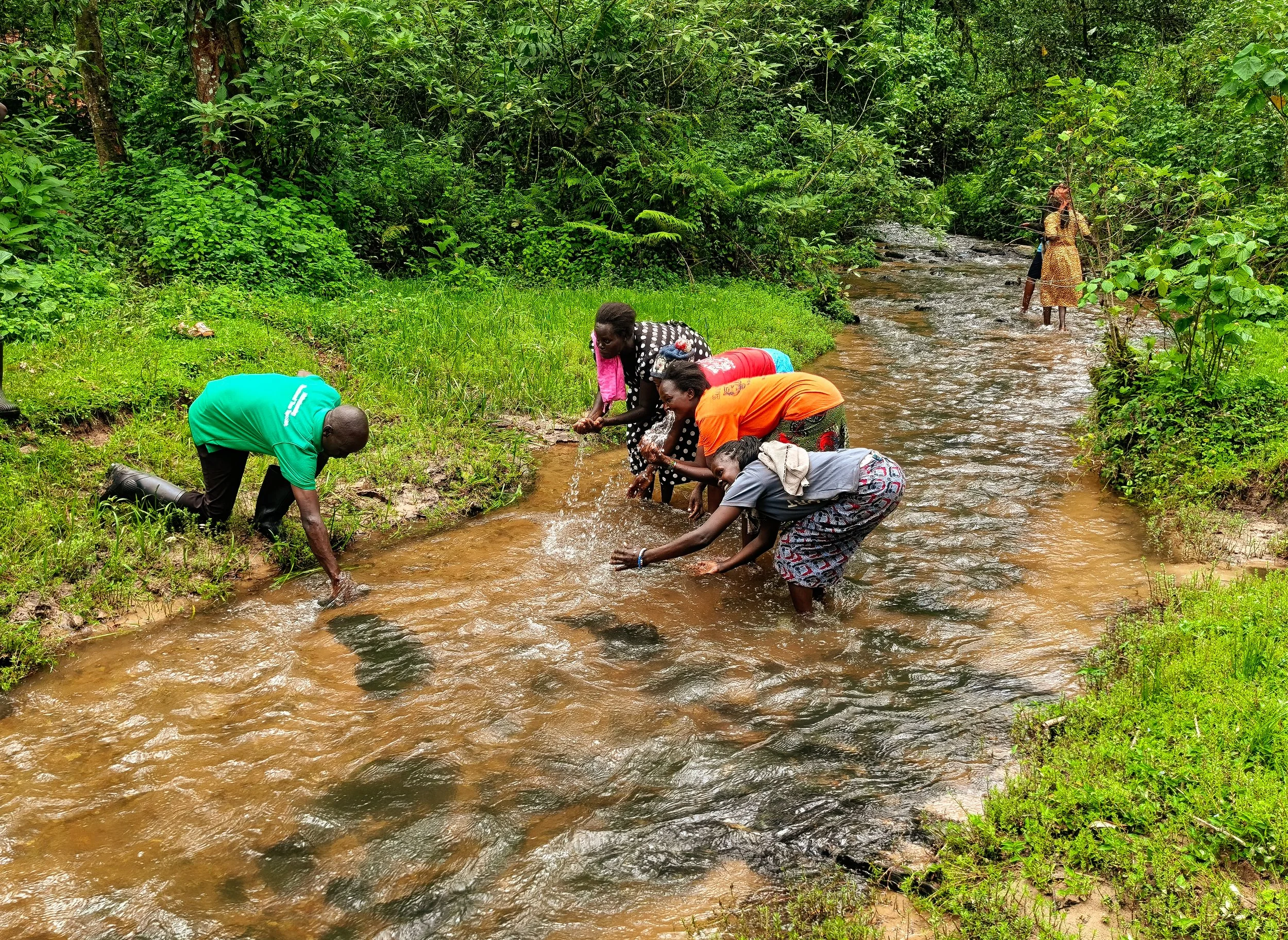
When the weather shifts
El Niño is not a recent phenomenon. It was first used by Peruvian fisherman in the 1600s. But this year, there’s growing confidence that it could become one of the strongest on record, bringing both opportunities and calamity for tree planters.
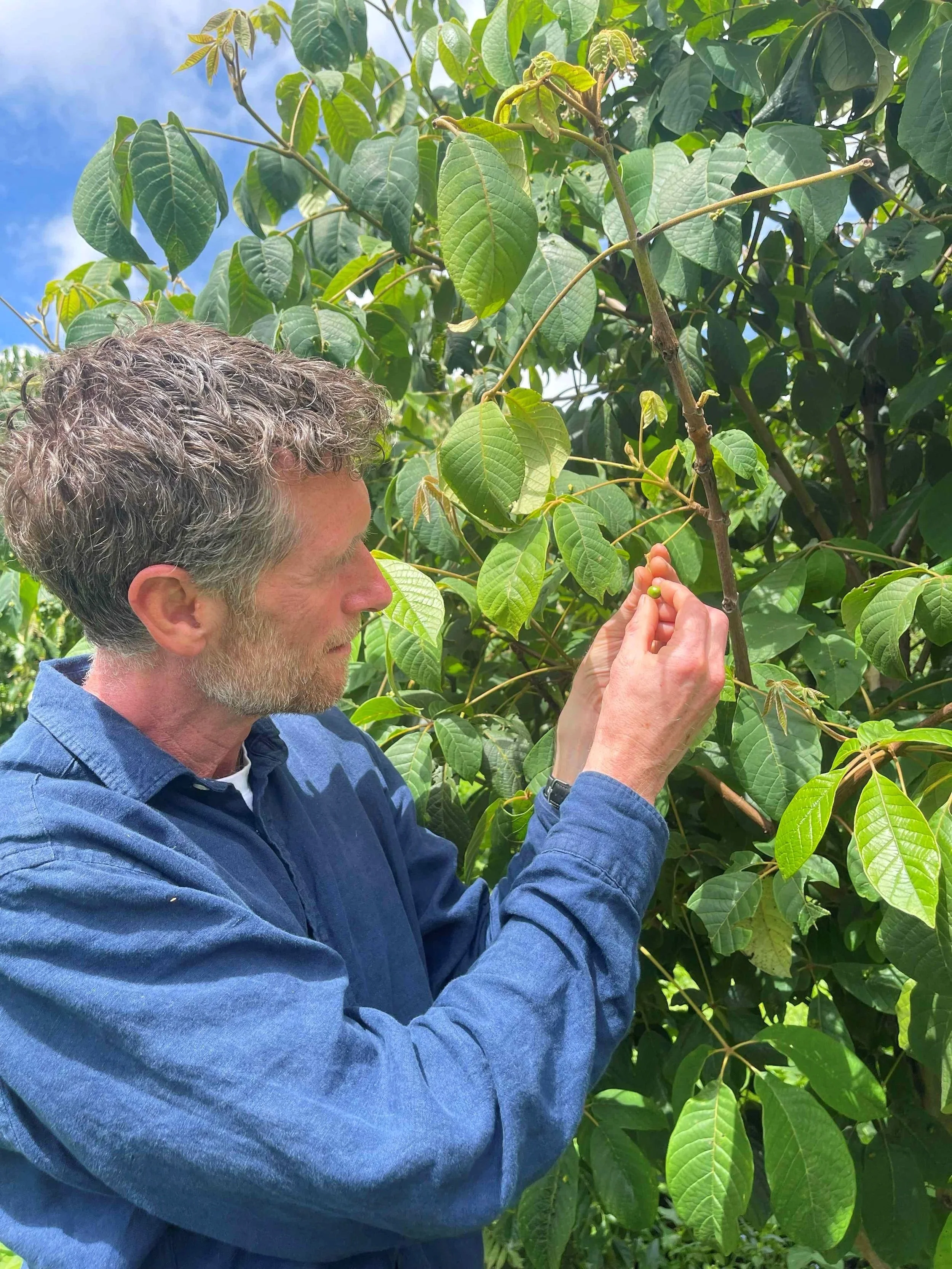
Threatened trees within threatened landscapes
The need is urgent. According to Botanic Gardens Conservation International and its State of the World’s Trees report, around 30% of the world’s tree species are threatened with extinction. That is a stark figure. It reflects what we see on the ground: forests under pressure and the risk of species quietly disappearing.
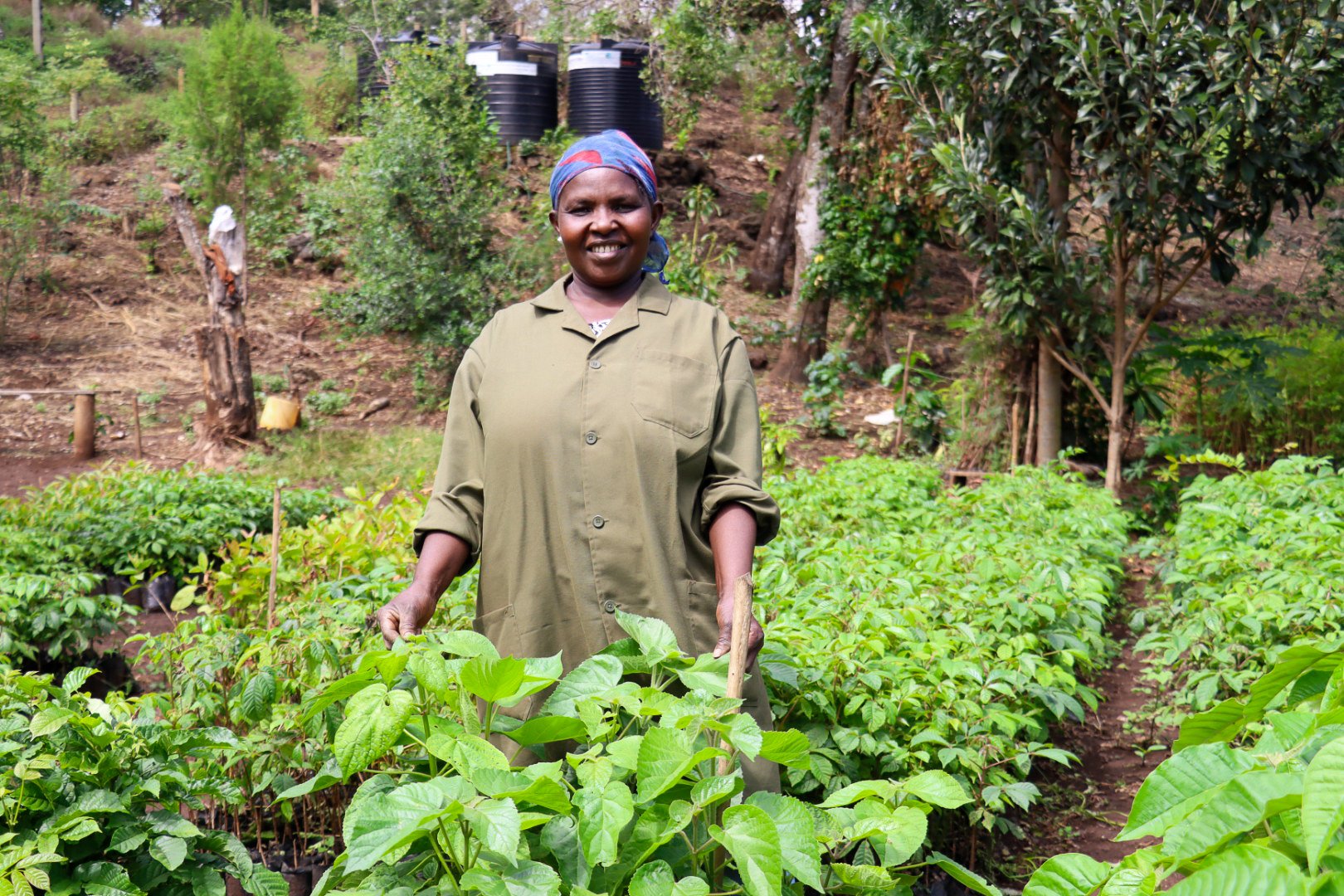
Just two trees left…
In Kobujoi Forest we only found two mature East African greenheart trees from which we could collect seeds. But this Earth Day could help save Kenya’s native trees.
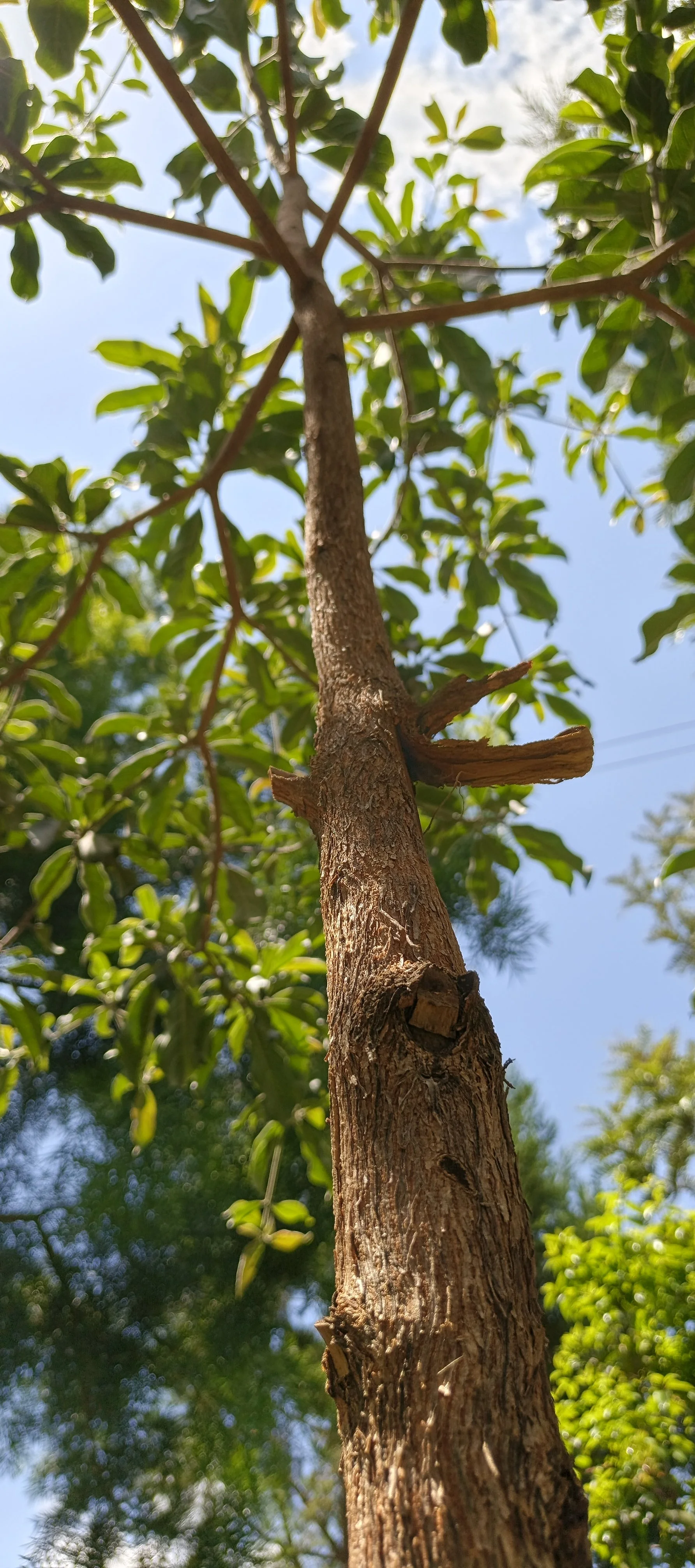
The trees that need saving
We’re working to conserve and protect threatened trees and ensure they don’t disappear from Kenya’s forests. From the fast-growing but overharvested Meru oak to the 40 metre African cherry whose prized bark is used in medicines.
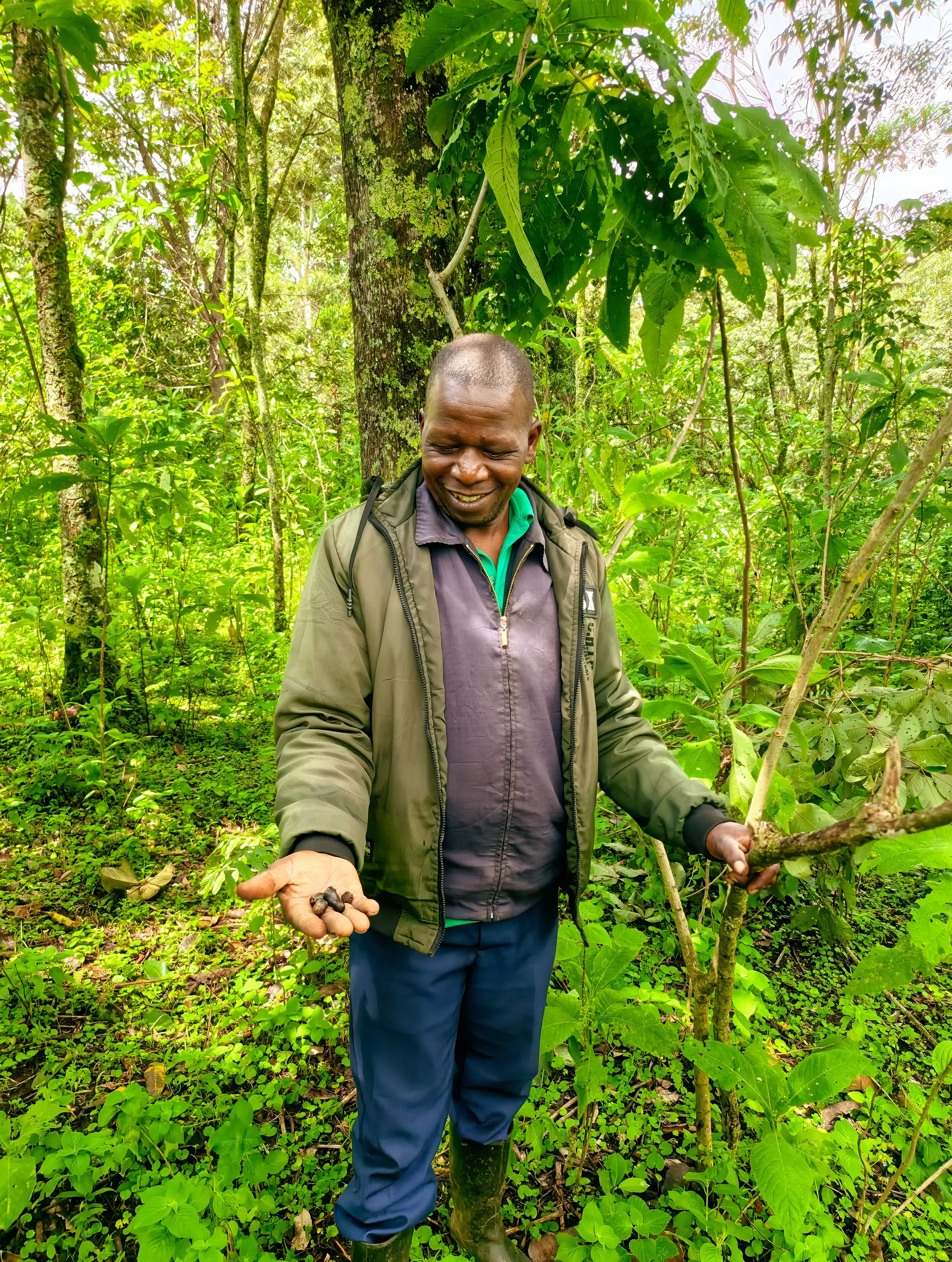
Meet the people fighting to save Kenya’s trees
We’re working with local communities to find, grow and plant trees that are threatened with extinction. Through hands-on training, we’re equipping people to identify and monitor threatened species, grow their seeds in community tree nurseries, plant them in reforestation projects and protect them for the long term.
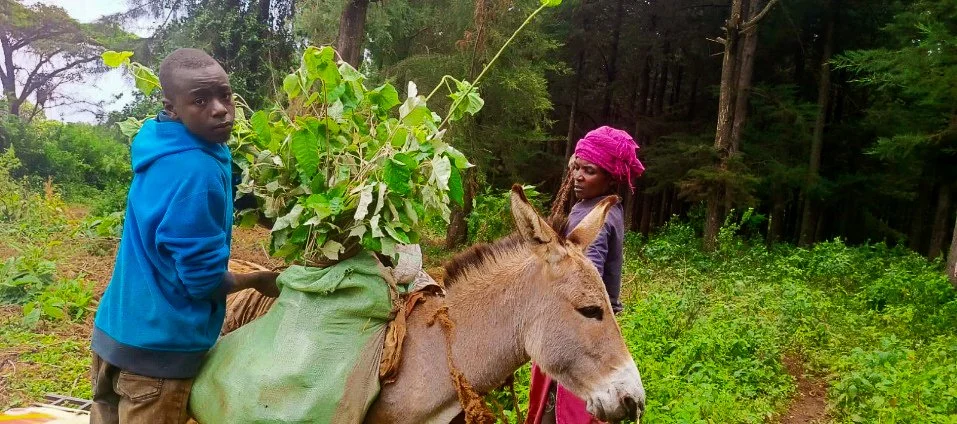
How we’re protecting threatened trees
Losing even a single tree species can trigger a chain reaction of ecosystem collapse: forests are more vulnerable to fire and disease, habitats shrink, countless wildlife species and microorganisms are pushed to extinction and tree-dependent communities are plunged into crisis. Once a species is extinct, it’s lost forever.
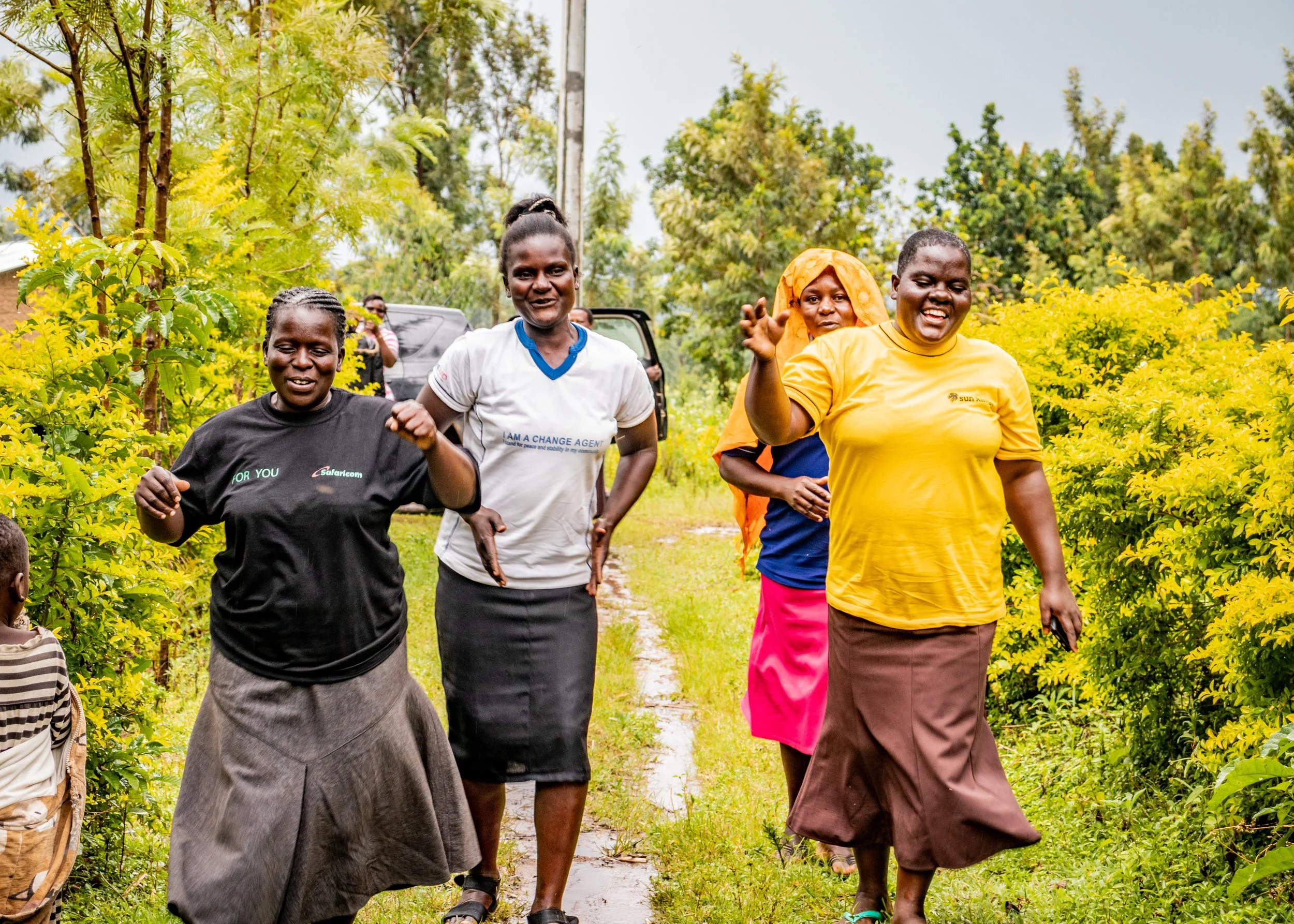
Elephant populations are growing and other tangible impacts
The indicators that show a clear revival of biodiversity across restored ecosystems, thanks to tree planting.
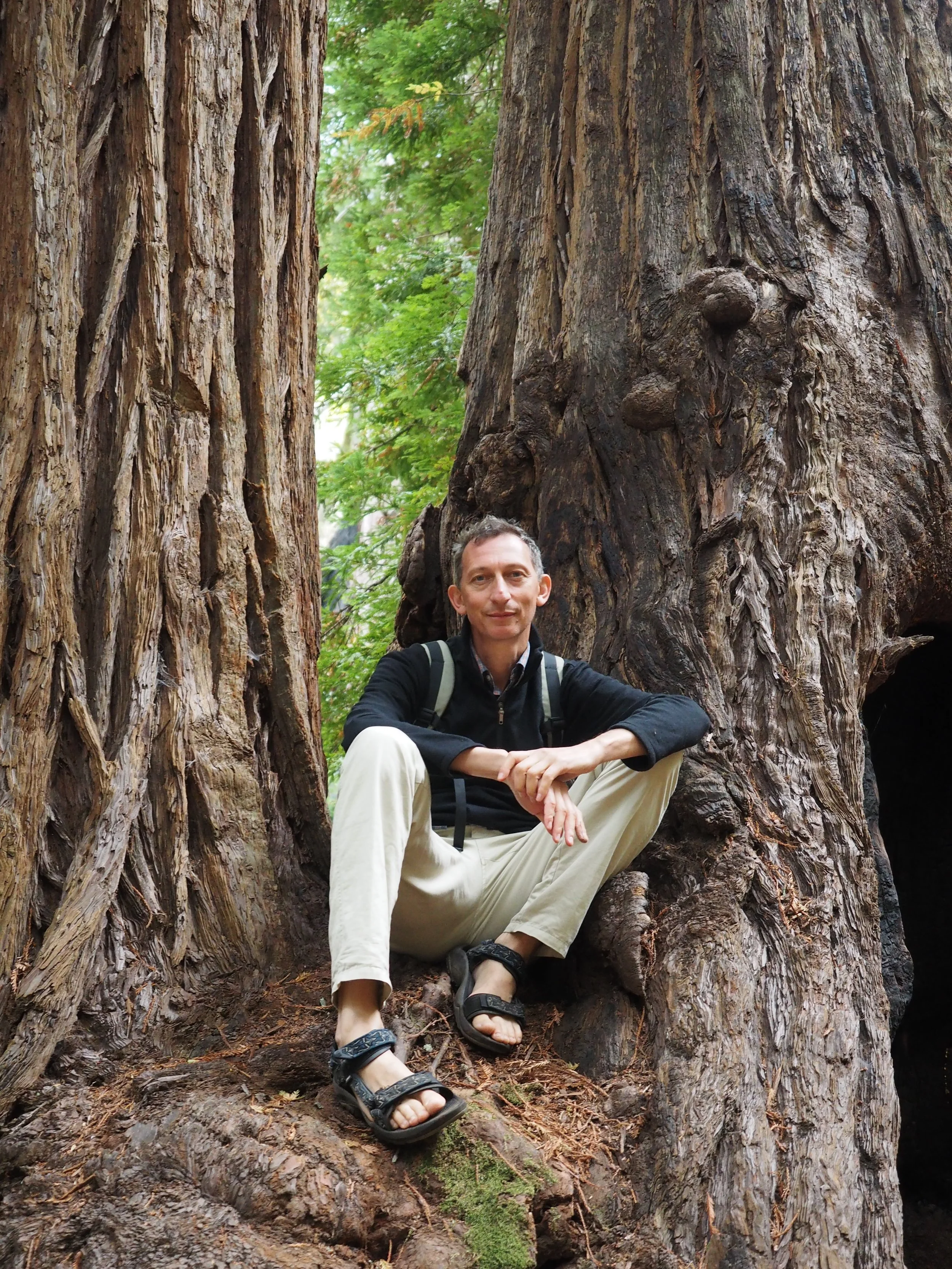
My favourite tree, Jonathan Drori
Jonathan Drori, ITF trustee and bestselling author of Around the World in 80 Trees writes about a cedar of Lebanon and what it means to him.
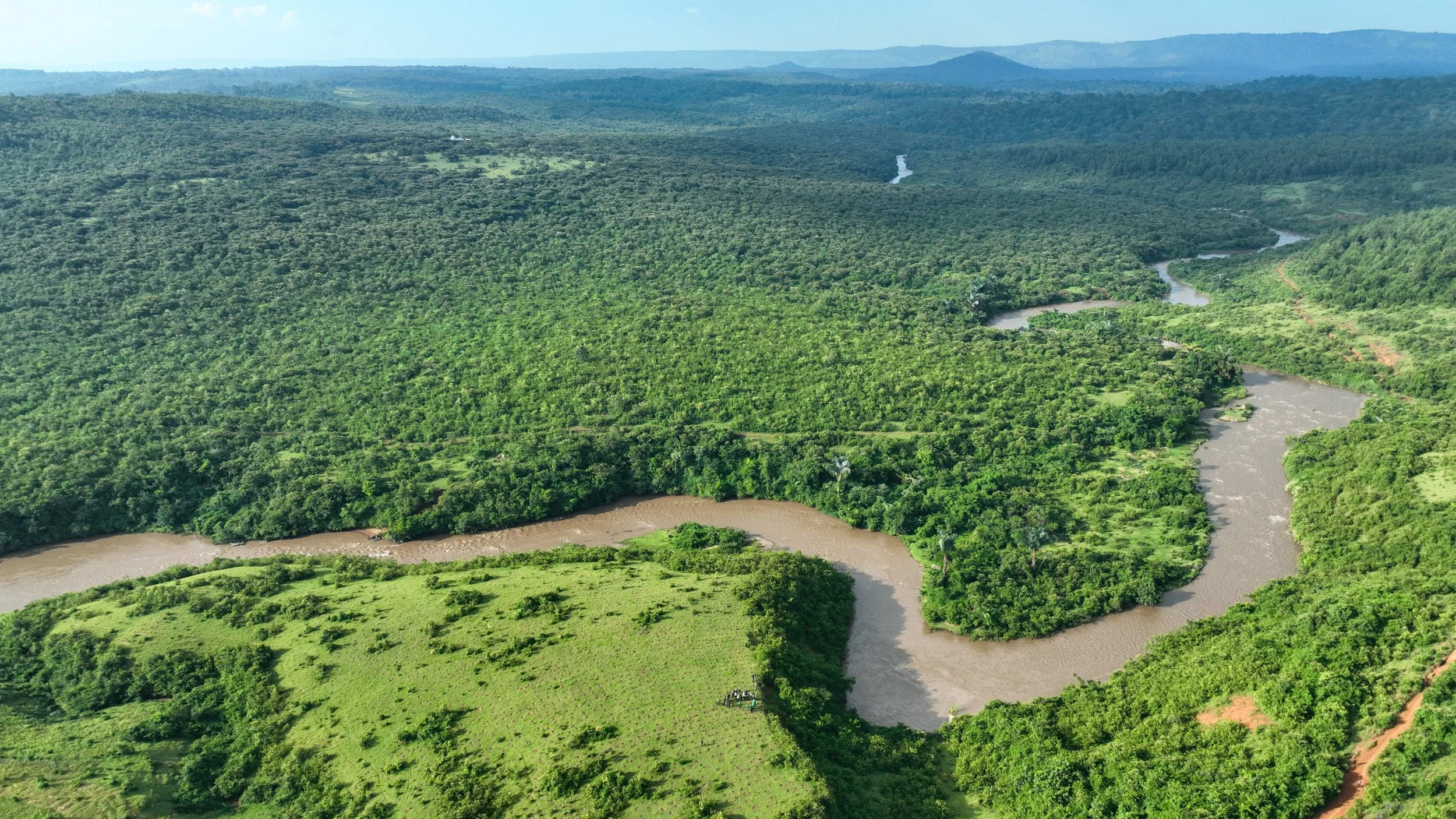
Full potential is never delivered in isolation
The events of 2025 have shown starkly that we are living through a climate and nature crisis that is pushing the planet to the brink. Rising temperatures, more frequent floods and droughts and accelerating biodiversity loss are placing unprecedented pressure on both ecosystems and the communities that depend on them.
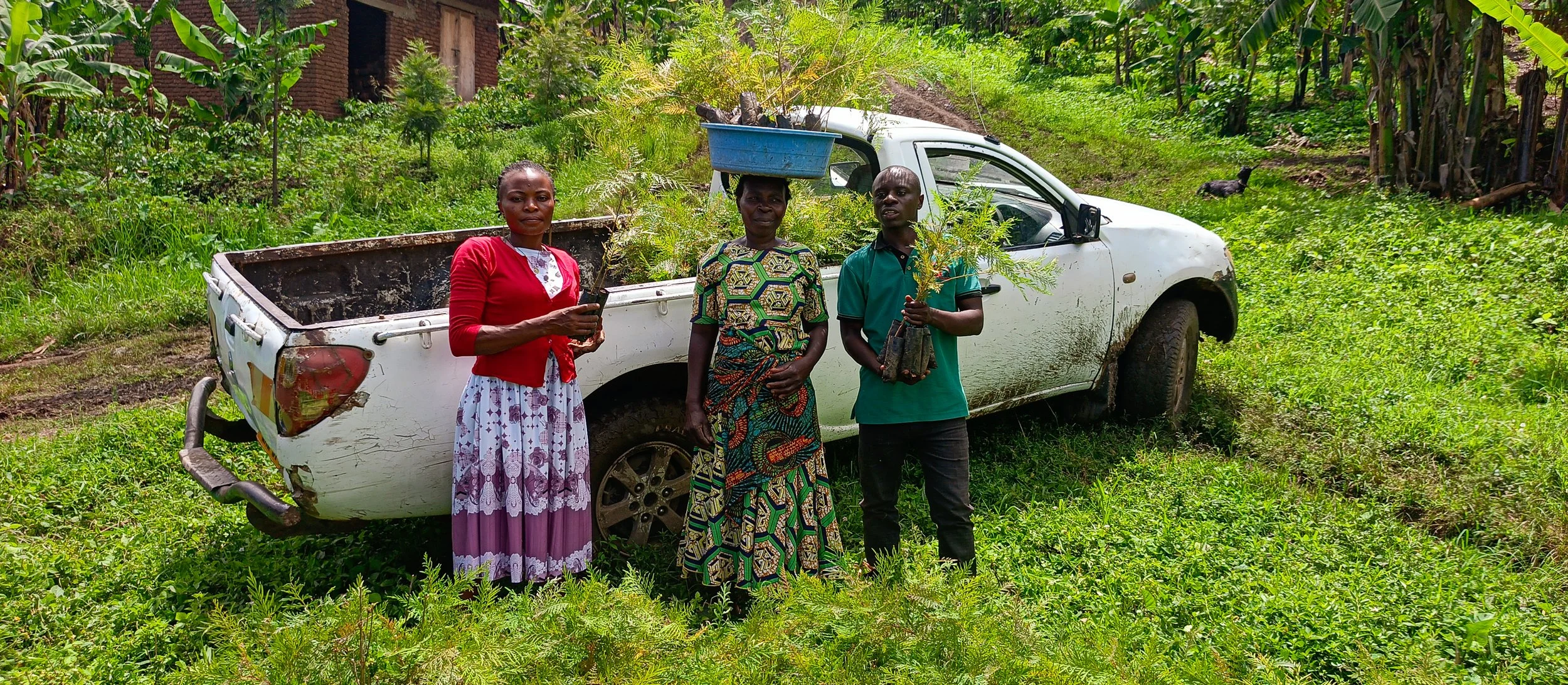
Tree heroes: Daniel Misaki
Daniel Misaki lives in Western Uganda between Queen Elizabeth National Park and the Rwenzori Mountains National Park, two beautiful but deeply degraded landscapes. Daniel shared with ITF his journey from poacher to environmentalist.
Donate today to plant trees, restore forests and transform lives.
Your support makes a world of difference to our planet, thank you.