
IMPACT AREASForest ecosystem and landscape restoration
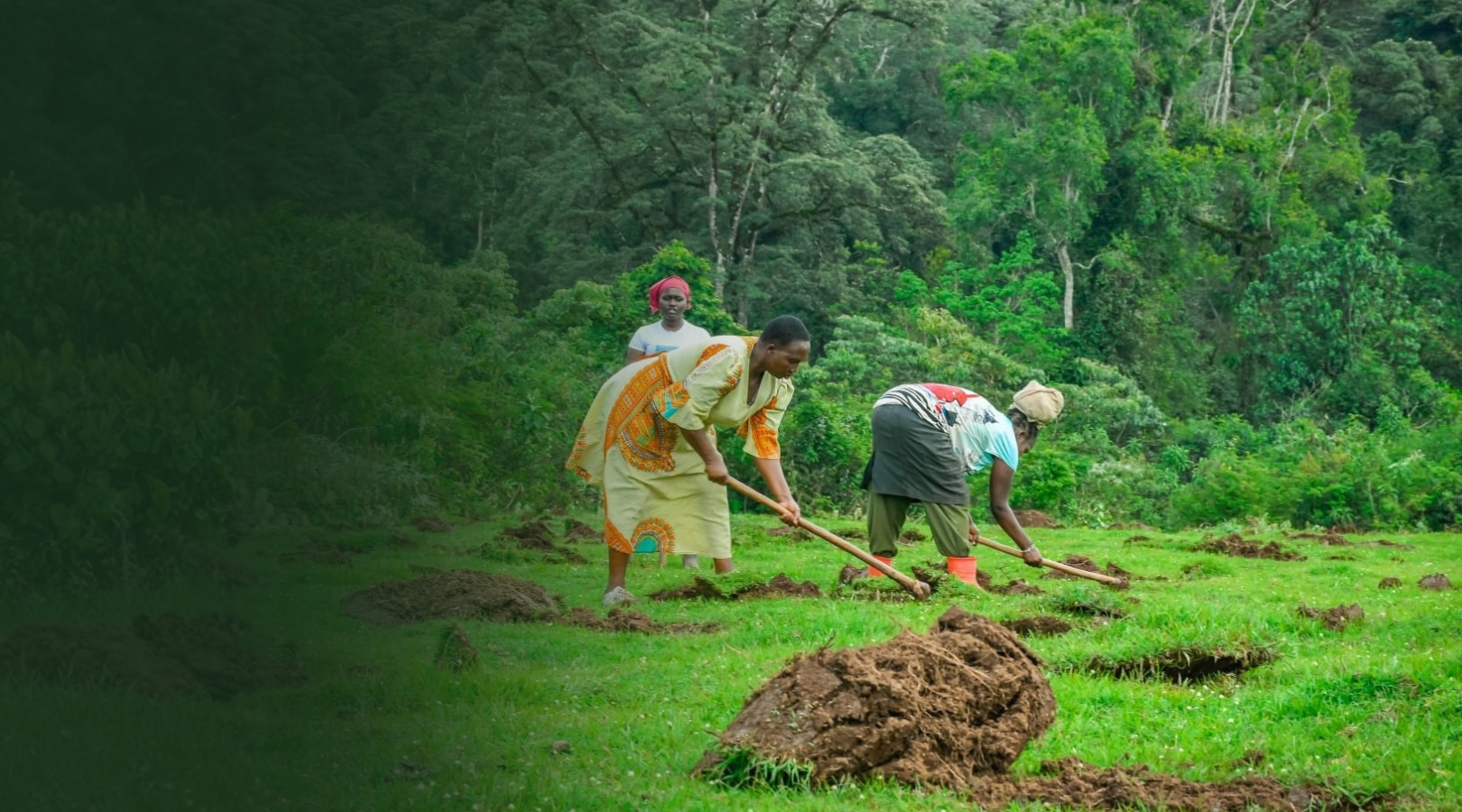
More than 70% of the population of sub-Saharan Africa depend on forests and woodlands for their food, water, fuel and livelihoods, yet these landscapes are facing increasing pressure. Millions of hectares of forest are degraded or lost every year, so even where woodlands are still standing, they’ve often been stripped of the ecological functions that once sustained the communities around them.
A landscape in decline
The consequences of this landscape decline compound quickly. As canopy cover thins, soils can erode, water infiltration falls and rivers that once ran throughout a year become seasonal. Forest fragmentation severs the ecological corridors that connect remaining habitats, isolating species and communities. In Kenya, land degradation alone costs the country an estimated £3.1bn each year.
The case for investing in restoration is clear. The UN Convention to Combat Desertification projects that every dollar invested in combating desertification, land degradation and drought returns up to eight dollars in social, environmental and economic benefits. Yet realising that return depends on investing in programmes that are built to last.
Restoring forests that last
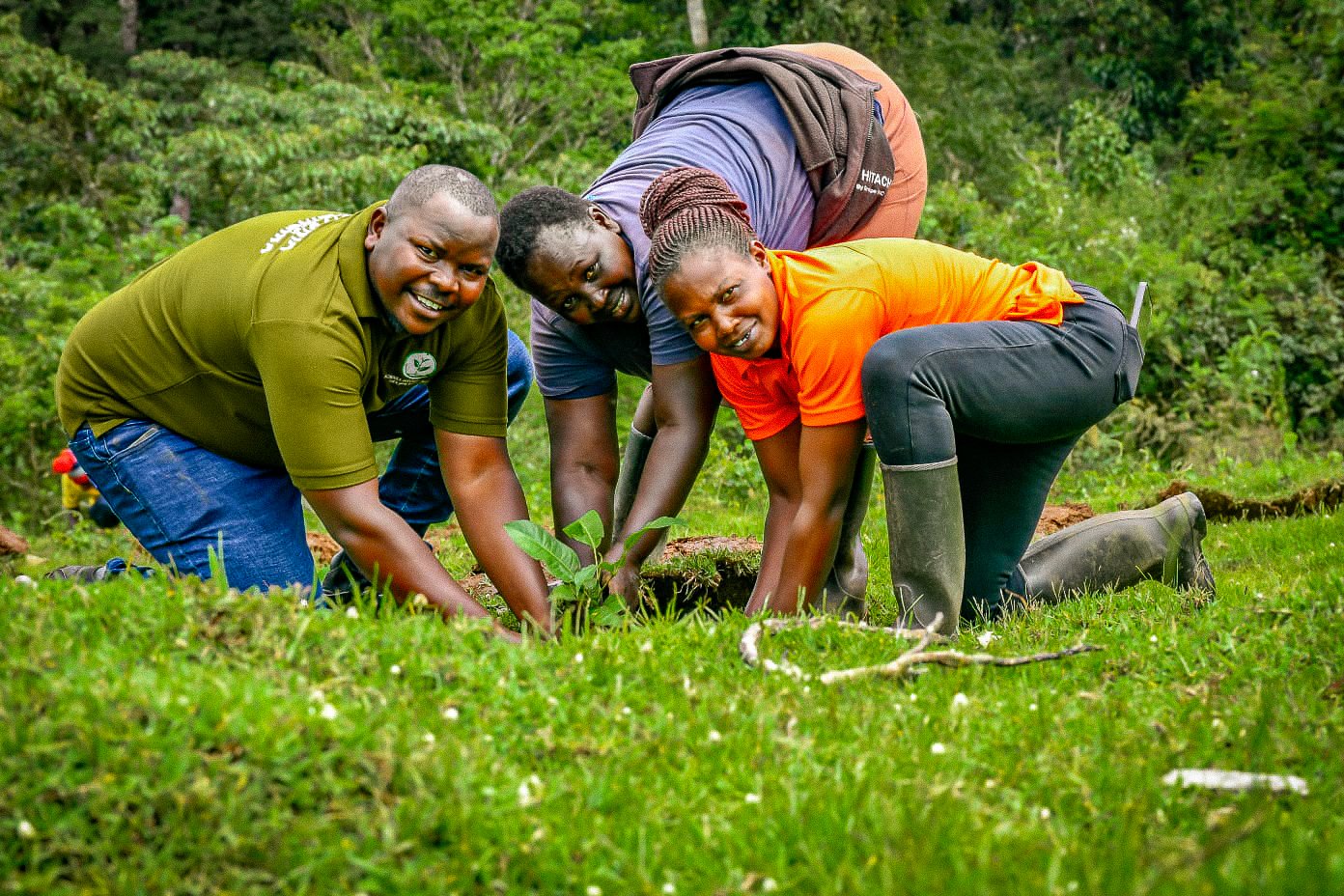
ITF’s restoration model is designed with one core premise: the people living alongside a forest are best placed to heal and protect it. We build partnerships between community-based organisations and the government agencies responsible for these sites – including the Kenya Forest Service, Uganda Wildlife Authority and Tanzania Wildlife Management Authority – combining local knowledge with technical expertise and the institutional backing that restoration needs to last.
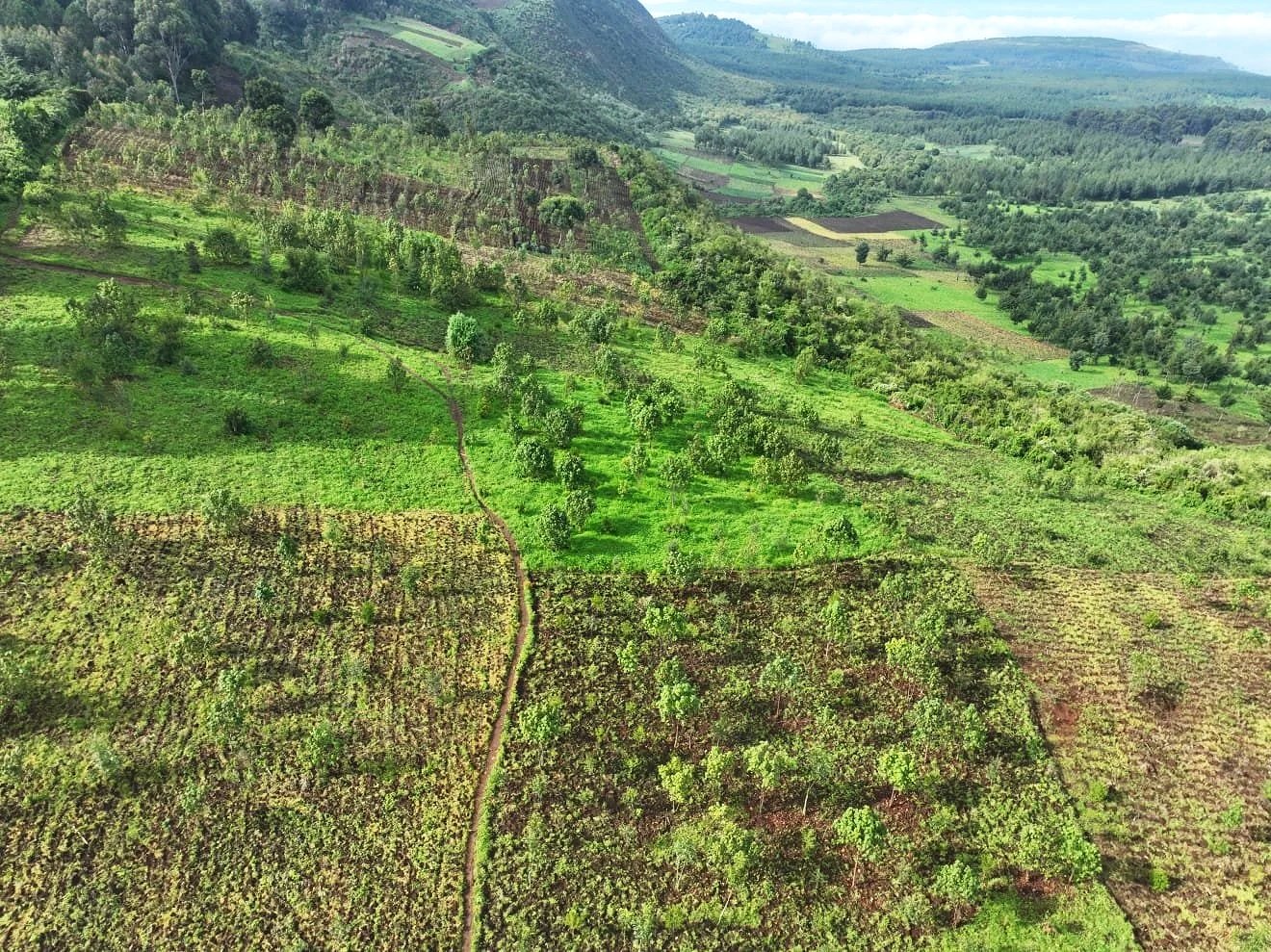
Many of our projects begin with an assessment of the landscape and its community’s needs and resources. From there, we select the native and exotic species suited to each site’s soil and climate conditions and clear invasive competitors. We protect natural regeneration wherever it is already underway, then where planting is required we invest heavily in the post-planting phase – rather than treating planting day as the end of the process – with multiple cycles of maintenance, spot-weeding and replacement planting. GIS mapping, ecological monitoring, carbon assessment and biodiversity tracking enable both ITF and our local partners to track canopy recovery and forest health, so we can check restoration outcomes rather than assume them.
This all makes ITF different from the sector norm. One peer-reviewed study of 176 tropical and sub-tropical restoration sites in Asia found that, on average, only around 56% of planted trees survive beyond five years. Across our monitored projects, survival rates assessed through participatory monitoring run above this benchmark, often to an impressive 80% or higher, because we stick with sites for the long-term, supporting communities well beyond the formal end of a programme.
Measuring the change
Restoration doesn’t happen overnight – the real measure of success is whether planted trees survive to become part of a healthier, more diverse landscape. Our long-term evaluation is showing that transition in practice.
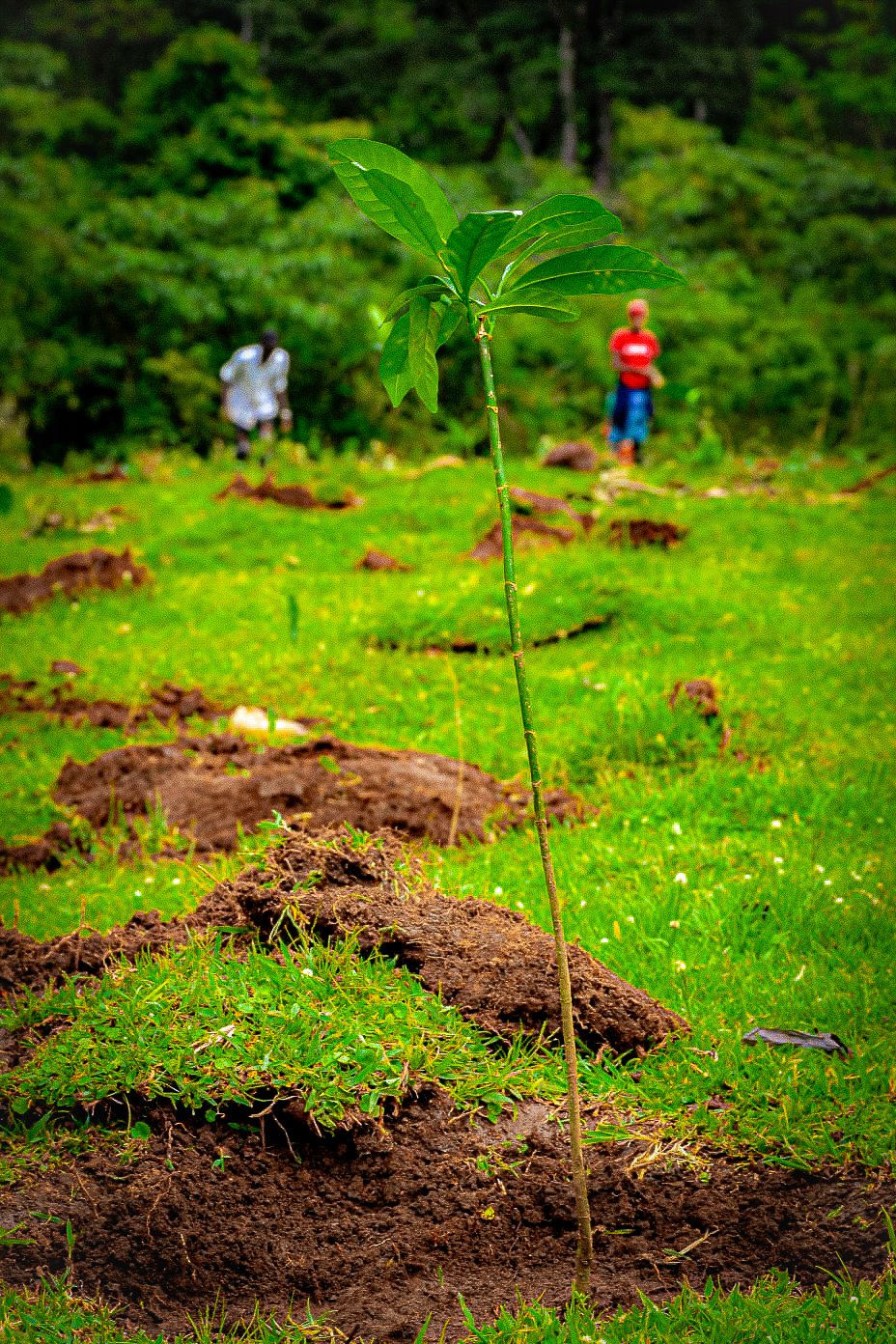
In Tanzania’s Katavi region an end-of-project assessment of ITF’s Mpimbwe landscape restoration work, supported by Ecologi, recorded 52,509 trees planted across local schools, smallholder farms and public water catchment areas. The report measured survival by site, reporting over 90% survival in schools, where water access and pupil engagement were highest, around 80% on agroforestry farms and between 65 and 85% across water catchments, depending on local grazing and fire pressure.
In Kenya’s Kobujoi Forest, one ITF project has planted 35,000 seedlings to restore the wood and its adjoining farmland, while creating employment for 170 local people working as forest scouts, nursery staff and tree planters. Nearby, 26 different tree species have been planted at just one restoration site in Kakamega, rebuilding the structural and species diversity that gives this landscape its ecological resilience.
Meanwhile in Uganda, an ITF project working across Ihandiro sub-county, Kasese District, has addressed the risks that communities face at the base of the Rwenzori Mountains, a key biodiversity hotspot and UNESCO World Heritage site that is vulnerable to frequent landslides, mudslides and flooding. Over the years, the Lhubiriha river (which flows from the mountains through western Uganda), had caused havoc to farms as it broke its banks – so during the restoration activities, efforts were focussed on stabilising fragile areas along a 10 km stretch of the river. To achieve this, 33,812 trees and multipurpose agroforestry were planted in target areas and adjacent farms, with 20,120 bamboo saplings also carefully planted, contributing to the reclamation of 20 hectares of degraded lands. An impressive 90% of the planted trees and bamboo have survived, thanks to the effective post-planting efforts of local community members. Through dedicated tree monitoring and stewardship, alongside essential spot-weeding and other maintenance activities, they are ensuring the long-term impact and sustainability of these restoration efforts.
Building resilient futures
Healthy forests and resilient communities depend on one another. Discover more of ITF’s Impact Areas.
Sustainable livelihoods & rural economies
Climate resilience & climate adaptation
Water security & watershed restoration
Women, young people & local leadership
Biodiversity, wildlife & nature recovery
Part of a global movement for nature