
IMPACT AREASSustainable livelihoods and rural economies
International Tree Foundation builds sustainable rural economies across East Africa by supporting farming households to generate income directly from the landscapes they restore.
Livelihoods under pressure
Smallholder farming is the main source of food and income for many of the roughly 730 million people living in sub-Saharan Africa’s rural areas. These communities are increasingly caught between two intensifying pressures: the degradation of the land they depend on and the growing unpredictability of the climate. As soils erode, forests shrink and rainfall becomes less reliable, yields fall, revenue dwindles and families already living close to the margin are pushed further towards crisis.
Against this backdrop, the evidence for trees as an economic asset is compelling. Agroforestry – integrating trees with crops and livestock – improves soil health, increases yields, diversifies income and reduces the dependence on forest resources that drives further degradation.
The challenge for many of these communities is access to quality planting materials, technical training and the financial tools that help farming households invest in their own future.
Trees as an economic engine
Lasting restoration happens when local communities benefit directly from the forests and landscapes they’re protecting. ITF’s programmes are increasingly focused on empowering communities economically through sustainable value chains, with crops that already support both nature and livelihoods across East Africa.
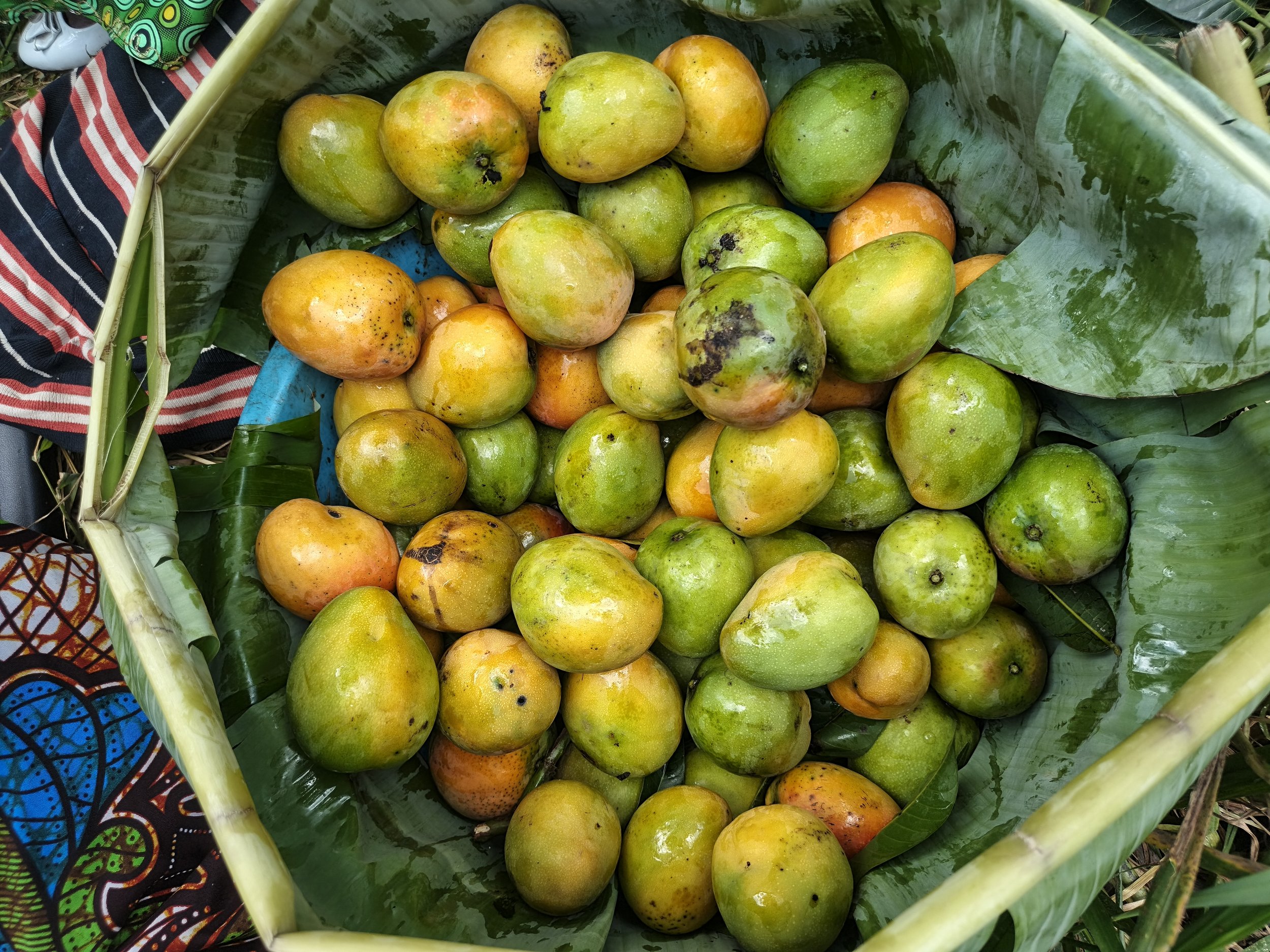
That often starts with agroforestry on farms. We integrate fruit, fodder, nitrogen-fixing and shade trees into existing agricultural systems, with species such as avocado, mango, macadamia and coffee across Mount Kenya, the Rift Valley, the Aberdare ranges and Uganda’s Rwenzori and Mount Elgon landscapes. Shade trees and sustainable land management practices directly improve the yield and quality of export commodities, with terracing and cover-cropping protecting the soil and water these crops depend on.
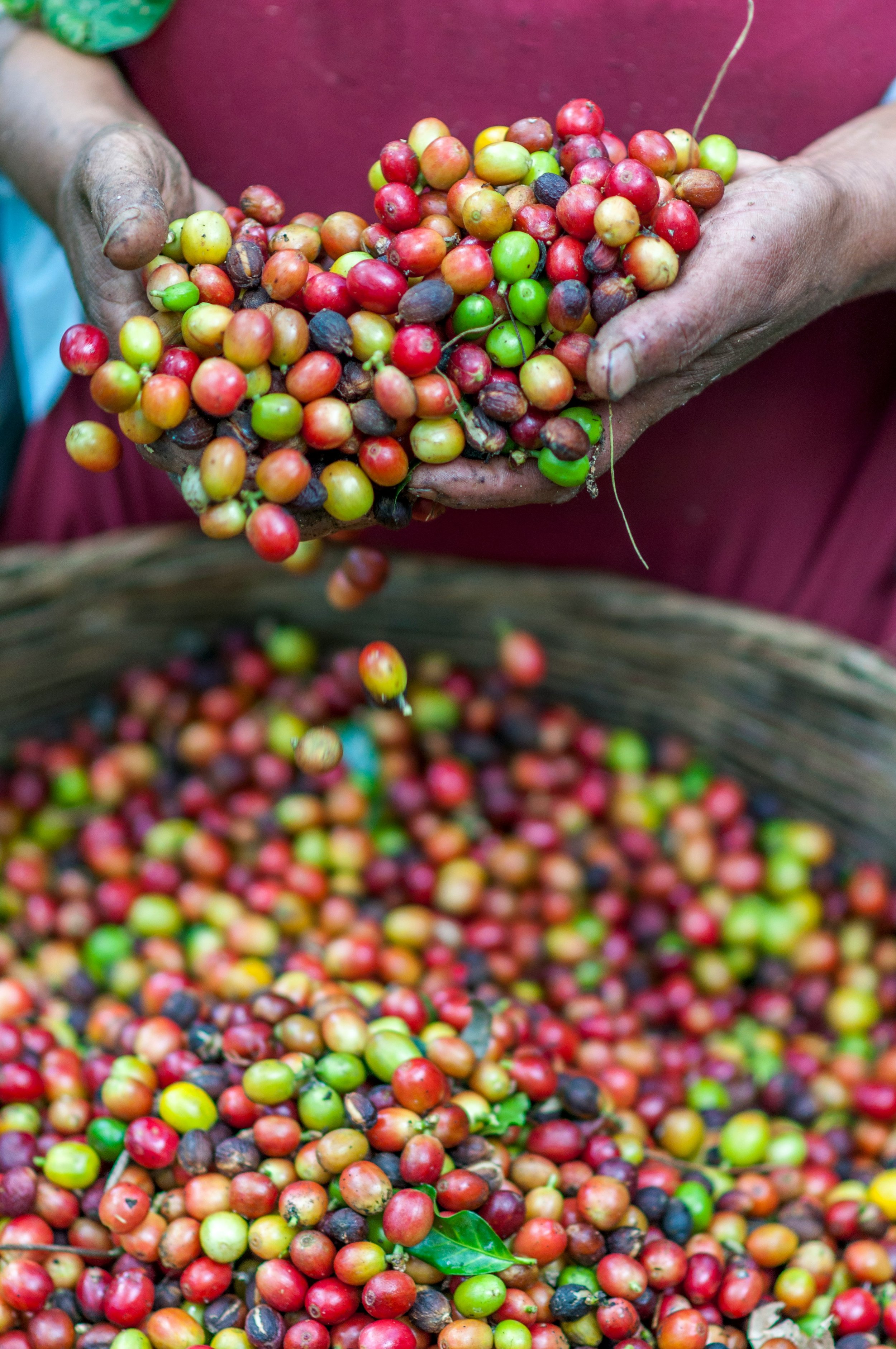
But growing a better crop is only half the solution – farmers also need somewhere to sell it at a fair price. In Uganda’s Rwenzori Mountains we partner with Agri Evolve, a profit-for-purpose business working closely with farmers, especially coffee growers. Together we’ve supplied farms with over 200,000 trees to provide shade and soil fertility – an essential part of the coffee-growing process that’s been known to lead to yield increases of up to 200%. This partnership links farmers directly to a buyer paying a fair market price and processing their coffee to a high standard, with most of the trade now going through organic-certified and Rainforest Alliance-certified farmers.
Elsewhere in Rwenzori, we’ve supported additional nature-based enterprises, like briquette-making from waste coffee husks.
Beyond the farm, we develop nature-based enterprises in forest buffer zones. Community nurseries create skilled employment and generate income through seedling sales. Beekeeping enterprises such as those with our partner METGE in the Mount Elgon landscape, harness the relationship between trees, pollinators and productivity, aimed at improving crop yields while creating new revenue streams from honey. We also support financial inclusion through Village Savings and Loans Associations (VSLAs), giving community members access to the credit they need to invest in livestock, education and small enterprises.
Technical training, mentoring and enterprise support are threaded through many of our projects, where the aim isn’t just to plant trees that provide income, but to build the market links and local capacity that empower farmers to capture more value from what they grow.
Measuring the change
Across recent ITF programmes, 15,500 families increased their household income in one year alone, backed by agroforestry improvements, new income streams and investments from community savings groups.
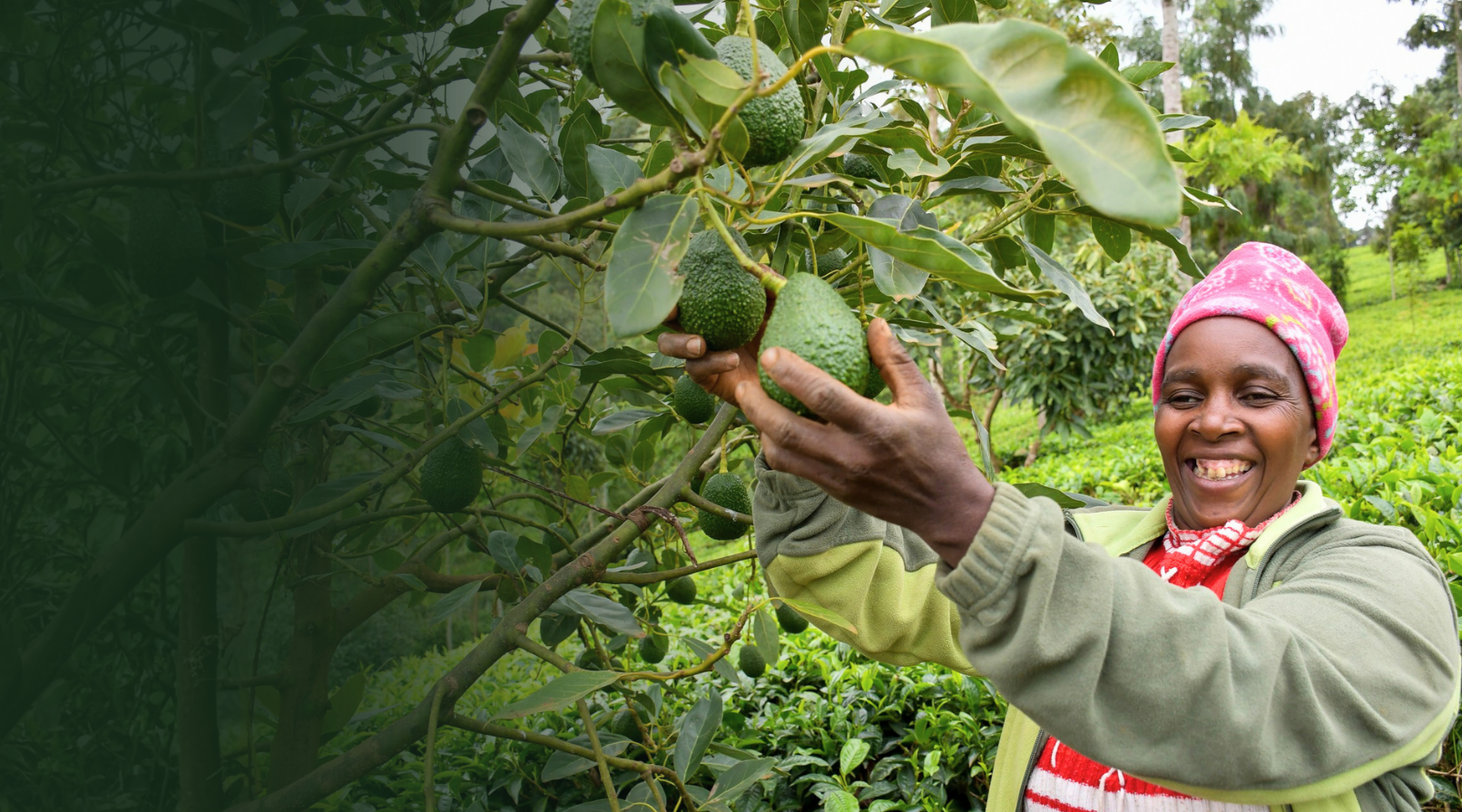
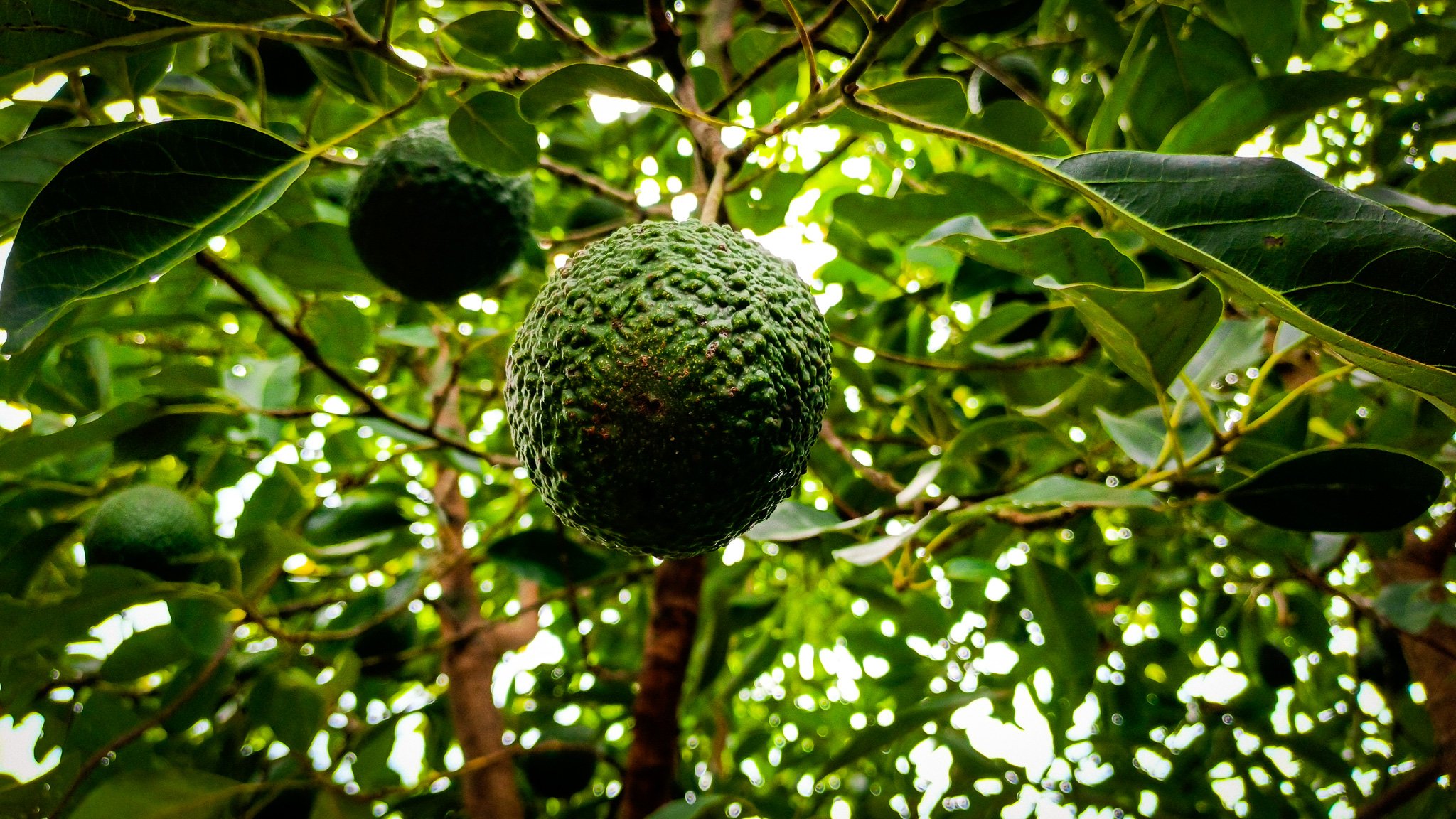
In Kenya’s Embu County, a region where income from tea and coffee has been declining, we’ve supported farmers in growing Hass and Fuerte avocado varieties since 2020. Julius Rugendo, one project beneficiary, harvested around 25,000 avocados from 50 trees in a single season – income that covers his children’s school fees. Demand for seedlings has grown so quickly that ITF is now working to expand local nursery capacity to keep pace.
In Kobujoi Forest, Kelvin Lagat found work as a forest scout and later trained as a mason, helping to construct water infrastructure for his community’s tree nursery. He used the income to buy a calf and start building a more secure future: “if it were not for this project, I would not be where I am now.”
Elsewhere in Kenya, training programmes delivered in partnership with Botanical Gardens Conservation International and the National Museums of Kenya helped Simon Kairu to build a career. Having developed skills in seed collection and the propagation of threatened and native species, Simon went on to become a forest scout – gaining an income that has financed his son’s university education: “this project has profoundly transformed my life and career trajectory,” he shares.
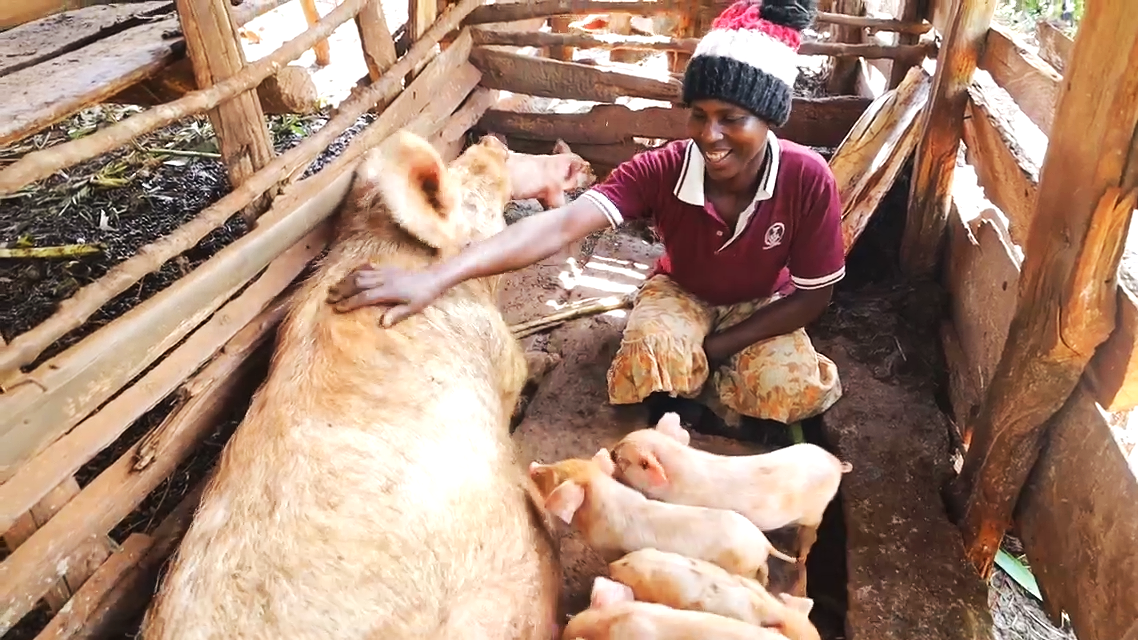
In Uganda, Village Savings and Loans Associations are helping local people to build their assets. Annet Kanyanga from Ganzo village was able to buy a pig, which then had nine piglets. “I’m hoping to sell some of the piglets and use the money to pay school fees for my children,” she says. Her neighbour Rose Namataka used seed capital from the same scheme to buy a heifer: she now milks six litres a day, selling four litres and keeping two for her children. Her cow’s manure has transformed her coffee farm, replacing synthetic fertiliser and improving yields. She plans to pass the heifer’s first calf to another group member, beginning the cycle again.
Peter Wekoba used a loan from his VSLA to open a small shop in his village, which has since become his family’s main livelihood. Meanwhile, one member of the Ganzo Youth Group borrowed to fund his final semester at Busitema University, cleared the loan after completing his General Agriculture course and is now applying these skills on his family’s farm.
Eight in ten of the community groups interviewed during our Mount Elgon restoration project reported increased savings and investments, while almost two in three accessed soft loans from their local VSLAs. Defaults – often the cause of informal savings schemes collapsing – fell to just one or two per group.
Each of these stories is different, but they share one underlying truth: when trees are planted in the right places, with people who depend on them and support structures that enable those same communities to look after them, the economic returns can be real, lasting and self-reinforcing.
Building resilient futures
Healthy forests and resilient communities depend on one another. Discover more of ITF’s Impact Areas.
Climate resilience & climate adaptation
Forest ecosystem & landscape restoration
Water security & watershed restoration
Women, young people & local leadership
Biodiversity, wildlife & nature recovery
Part of a global movement for nature