
IMPACT AREASWater security and watershed restoration
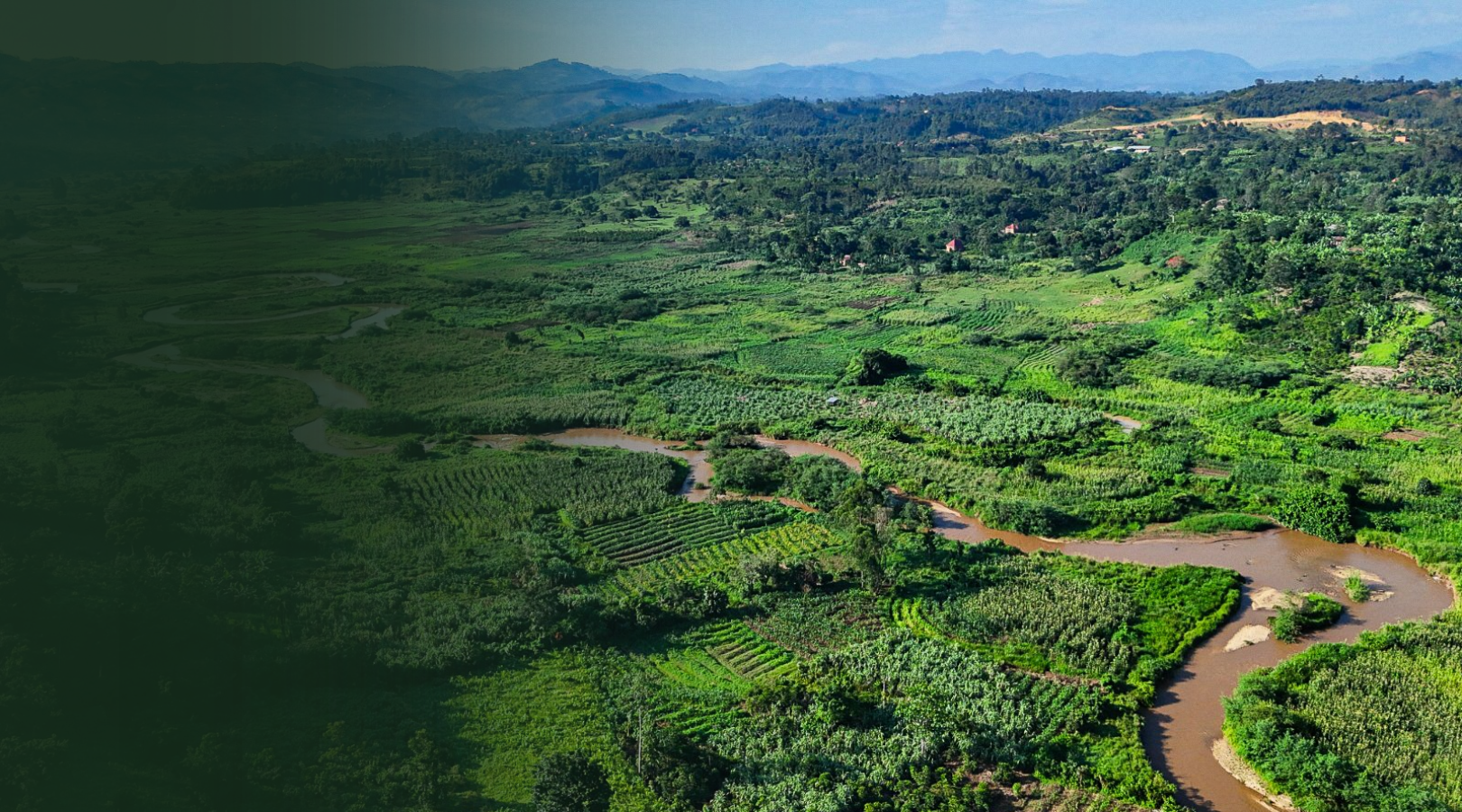
International Tree Foundation helps to return water security across East Africa by protecting and rebuilding the forested watersheds that millions of people depend on for reliable water access – responding to a water crisis that is accelerating across the region.
Water under pressure
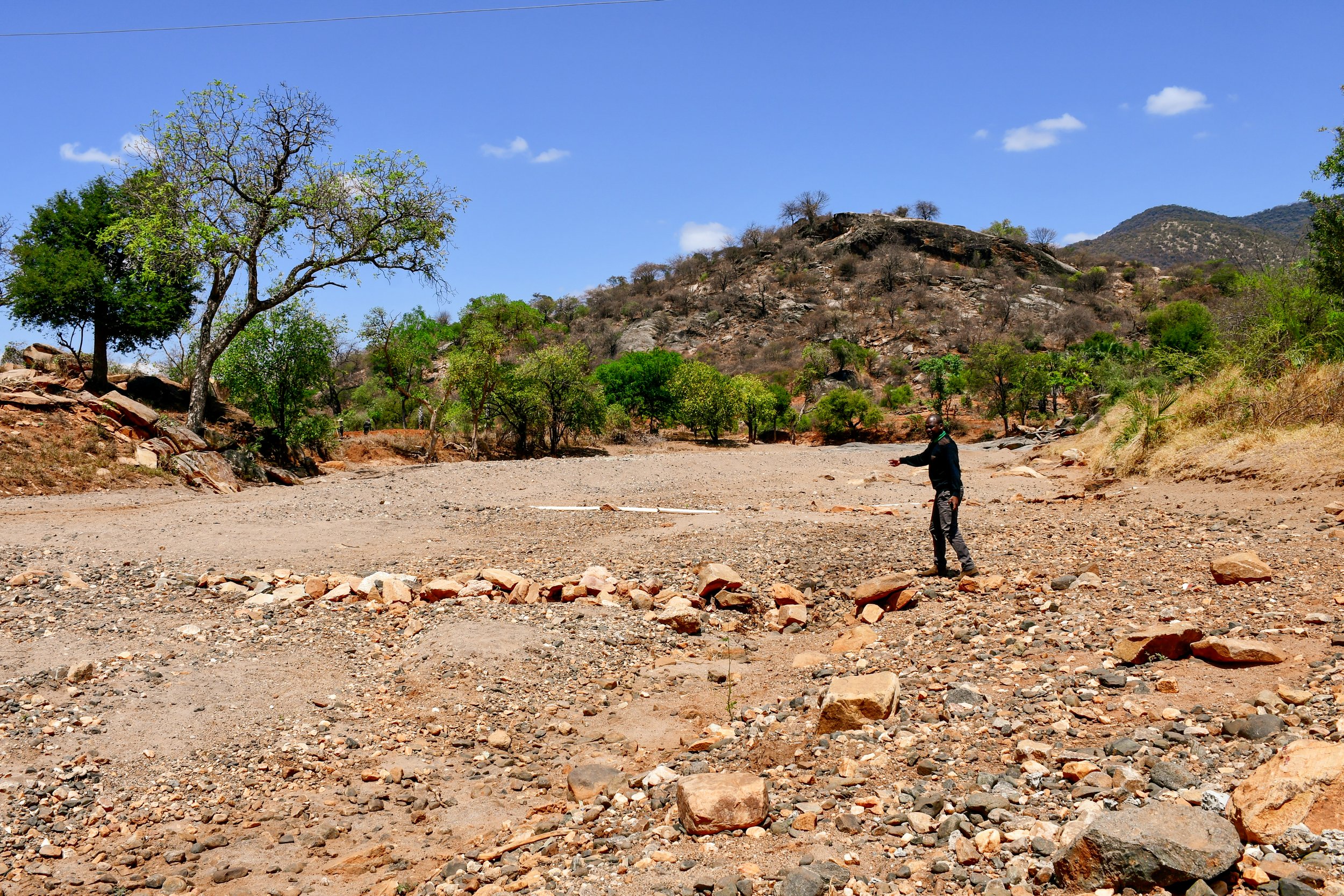
Forests act as natural water infrastructure: they capture rainfall, hold it in the soil and rock, then release it slowly to rivers and springs. When forest cover is lost, these functions break down – rainfall runs off degraded land rather than soaking in, rivers become unpredictable and water tables drop.
A changing climate is intensifying this cycle, with longer droughts and more extreme rainfall placing growing strain on already-stressed watersheds. Water demand across sub-Saharan Africa is projected to rise by 163% by 2050, while to the north of the continent, 83% of North Africa’s population already faces extremely high water stress.
In Kenya, five highland water towers supply the majority of the country’s renewable surface water, yet deforestation within and around them is threatening their capacity to deliver it, with consequences for millions of smallholder farmers and towns downstream.
The World Bank projects that East Africa will see a significant decline in freshwater supply by 2050, alongside further water scarcity in neighbouring North Africa. Water insecurity also threatens to reduce the GDP of regions like Central Africa, where the communities least responsible could bear the greatest costs.
Protecting water at source
ITF’s water security projects focus on the points in a landscape where forests do the most critical hydrological work.
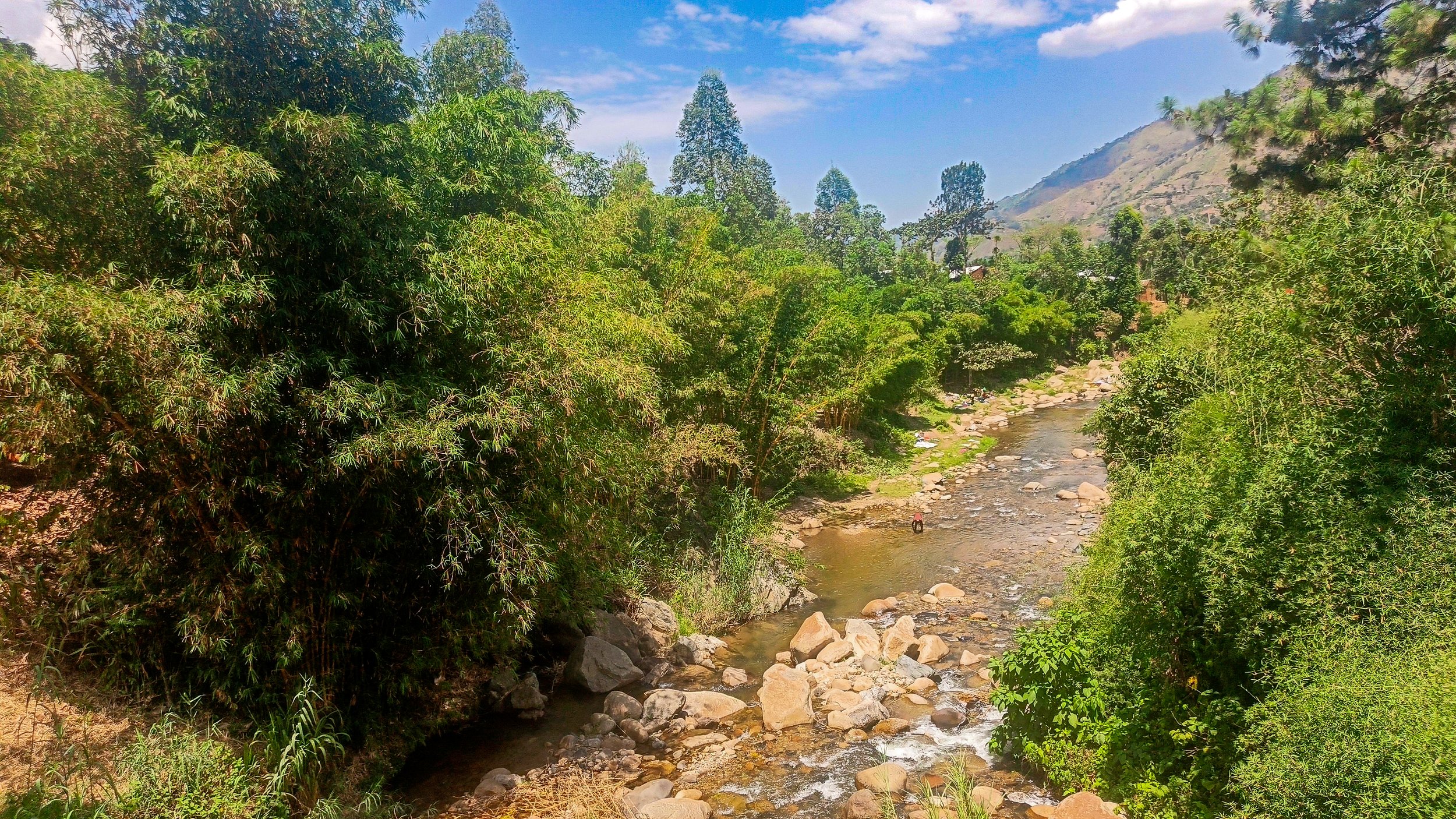
In Uganda, we plant bamboo and tree species along riverbanks and hillside slopes to reduce erosion, stabilise catchments and protect how mountain forests store and supply water. In Kenya’s highland water towers, we restore forest cover in degraded catchments and buffer zones, in partnership with the Kenya Forest Service and community forest associations. In Tanzania, we work with community water committees and our partner WASIMA to restore and monitor the catchments they depend on.
Where drylands or highlands call for a different approach, we support water harvesting techniques – including Zaï pits and terracing – that help farming households capture and retain rainfall, building drought resilience while reducing the surface runoff that erodes land and depletes rivers.
Community ownership underpins our approach, because this is what keeps a restored watershed functional for the long term. A catchment only stays protected once local people value it enough to protect it themselves.

Measuring the change
The connection between restored forests and returning water is already visible at many of our project sites.
Dundori Forest in Nakuru County, Kenya, sits at the source of several rivers. The Mbaruku and Mereroni feed Lake Elementaita, while the Ngosur River and Crater Stream drain into Lake Nakuru. Community members interviewed as part of an independent evaluation of ITF’s restoration work in the area, noted that reduced soil erosion and enhanced watershed protection were among the project’s long-term benefits – helping to protect the headwaters of rivers feeding two of Kenya’s most significant lakes. Elsewhere in the country’s water towers, rivers in Irangi Forest have recharged following restoration efforts, increasing water supply for local communities.
A project with our partner organisation Watu, Simba na Mazingira (WASIMA) has been restoring the Wamweru water catchment in Mpimbwe, Tanzania, which supplies clean water to over 1,000 households in Mirumba sublocation. Emmanuel Chrispin, Chair of the Mirumba Village Water Committee, has seen the change first hand: “In the last three years since the tree planting project started at Wamweru, the water table has risen, enabling us… to access water for distribution to the community throughout the year.”
In Uganda, assessments monitoring the progress of ITF’s Mount Elgon Water Tower project recorded improved soil and water retention from sustainable land management practices among surrounding communities. At the base of the Rwenzori Mountains, 76-year-old farmer Sinendirya Wilson has watched the water cycle change since restoration work began: “We started facing problems we rarely experienced before, such as landslides, mudslides and heavy rain that washed our soil away… Since we began planting, I have noticed positive changes. Rain now arrives at the right time and when it rains it doesn’t cause as much destruction as it did before.”
Building resilient futures
Healthy forests and resilient communities depend on one another. Discover more of ITF’s Impact Areas.
Sustainable livelihoods & rural economies
Climate resilience & climate adaptation
Forest ecosystem & landscape restoration
Women, young people & local leadership
Biodiversity, wildlife & nature recovery
Part of a global movement for nature