
IMPACT AREASClimate resilience and adaptation
Climate change is not a future scenario; it’s already reshaping daily life across the world. Longer droughts, more erratic rainfall, more intense flooding and rising temperatures are disrupting the landscapes, farms and forests that millions of people depend on, especially in many of the communities ITF works with across East Africa.
A climate already changing
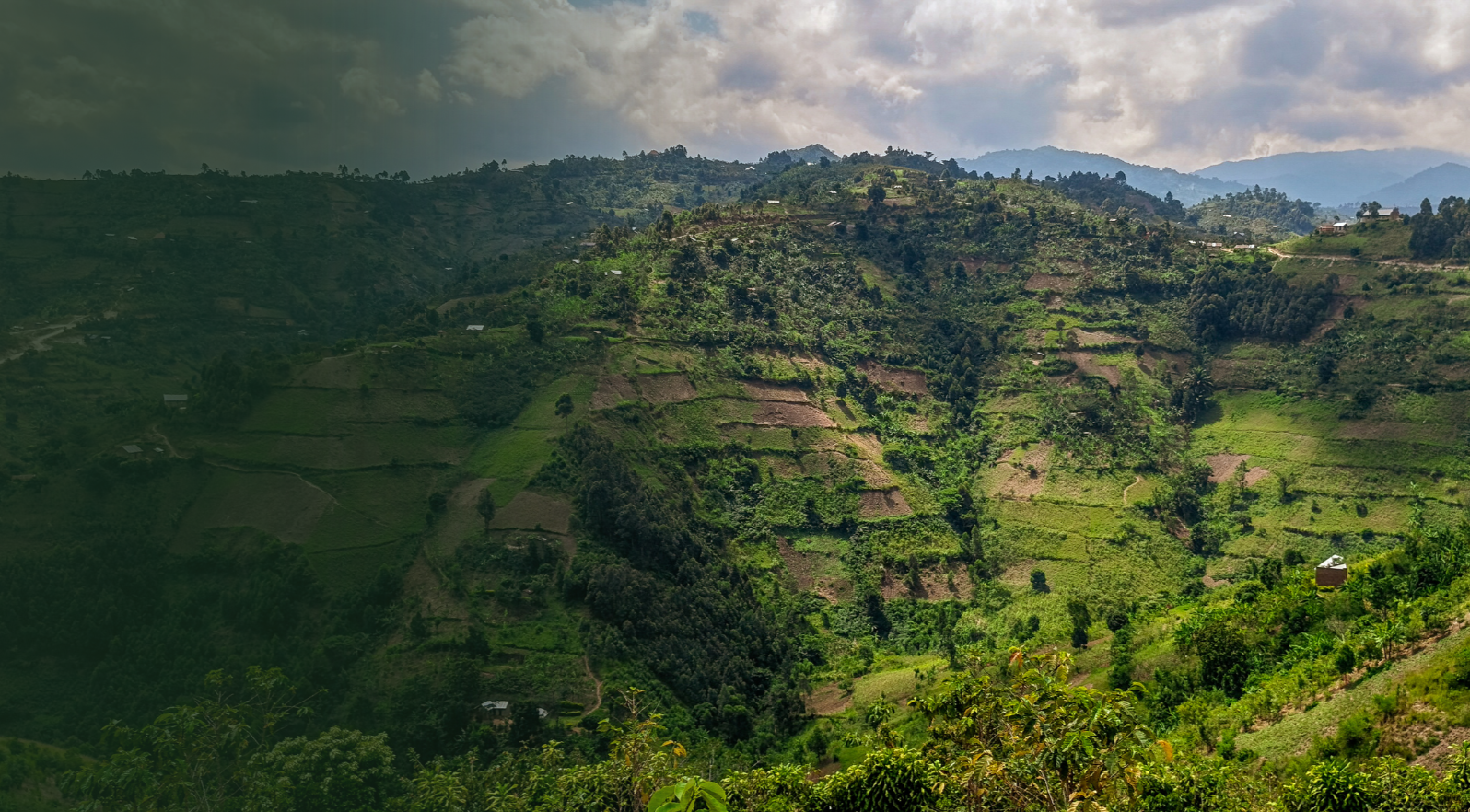
Forest loss is amplifying climate risks. Mount Elgon lost 12.5% of its forest cover between 1984 and 2017. The Mau Complex, Kenya’s largest water tower, lost 19% of its tree cover between 2001 and 2022. As forests shrink, the ecological buffering they provide – regulating water, anchoring soils, moderating temperatures – diminishes, leaving communities more exposed to the shocks intensifying around them.
The extent of this exposure is significant: without scaled-up adaptation up to 118 million impoverished people across Africa could be left vulnerable to drought, flooding and extreme heat by 2030. Yet the people facing these risks, those most capable of steering locally appropriate responses, remain the least funded. Historically, less than 10% of international climate finance has reached the local level, with even less genuinely directed by communities themselves. Closing that gap is central to our mission.
Building resilience from the ground up
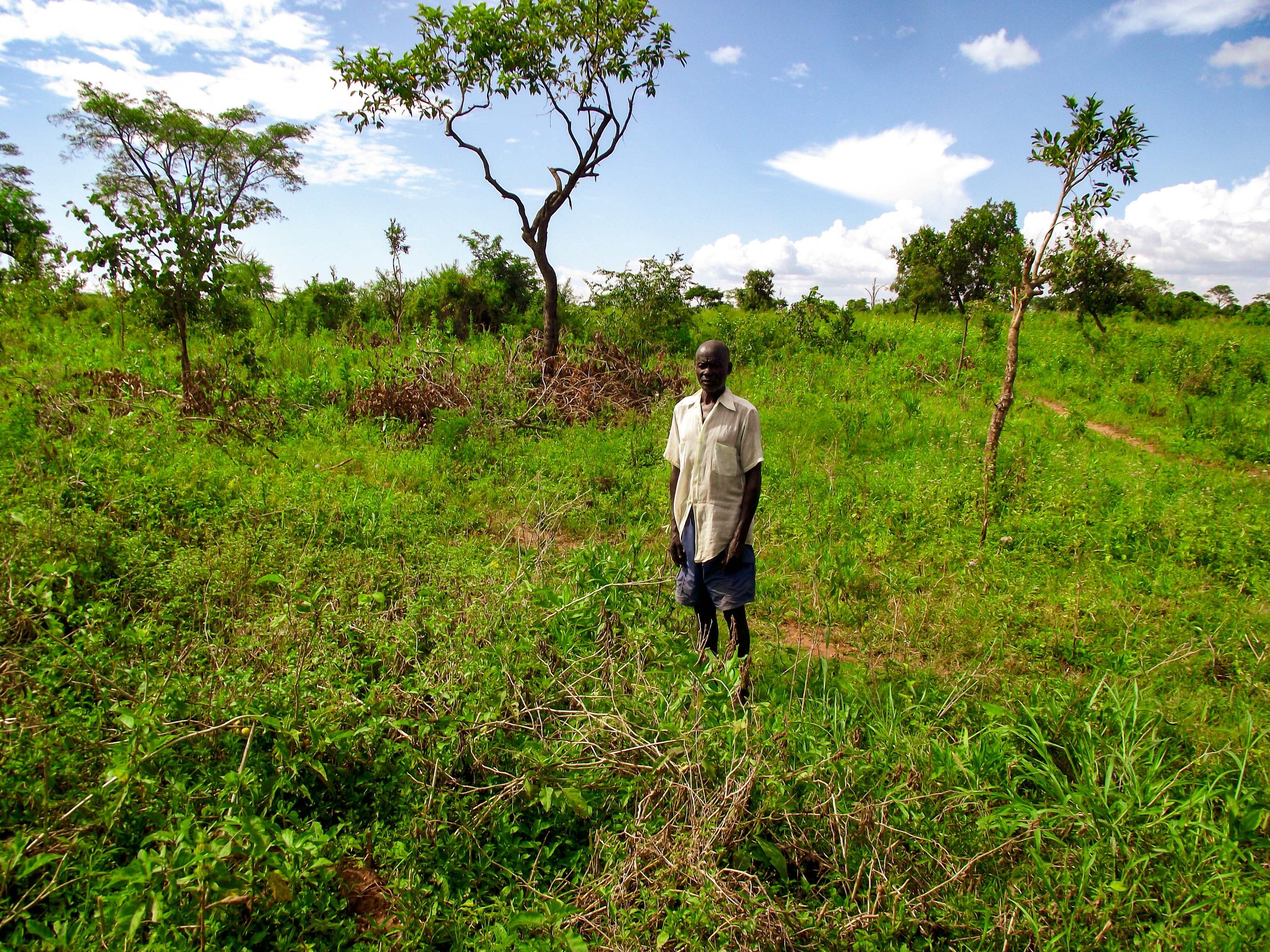
We believe lasting adaptation is locally led. Our approach starts with participatory analysis, not a standard planting template, working with communities to identify and rank the specific vulnerabilities and pressures bearing down on the landscapes they depend on.
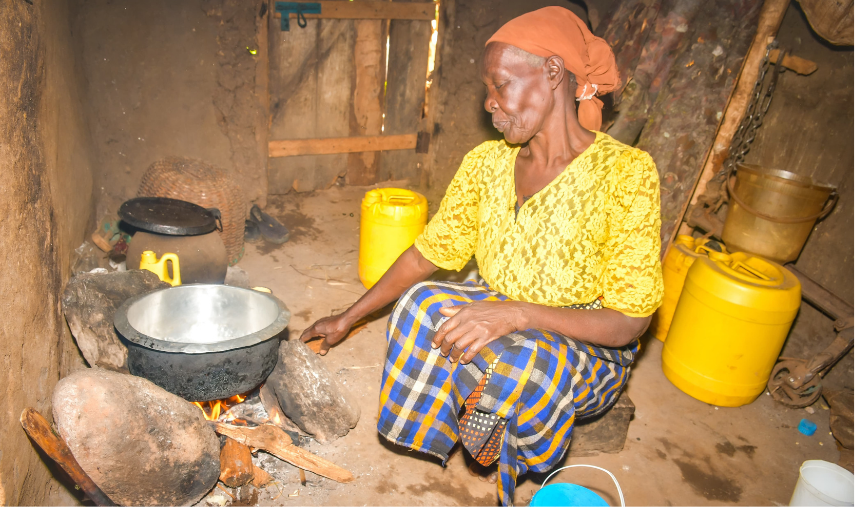
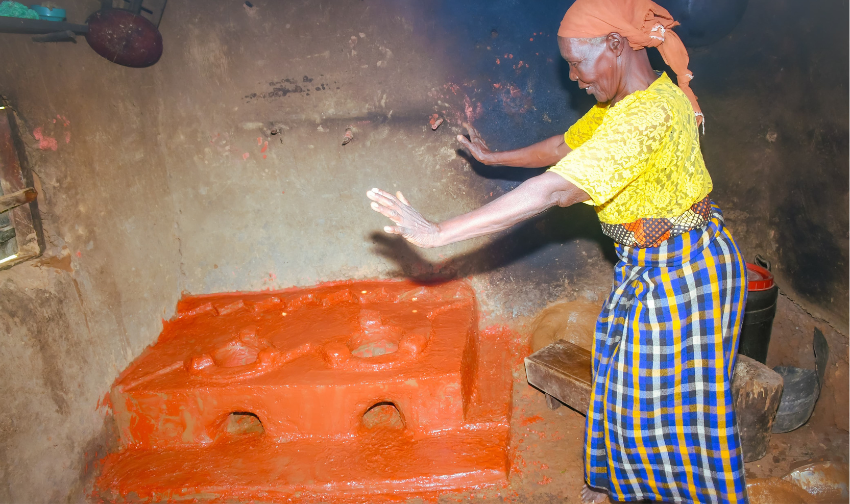
From there, communities co-design the project’s response, with the resulting interventions varying by site. Indigenous forest restoration where degraded forest can recover; agroforestry and soil conservation where farms face drought and erosion; bamboo and tree species planted along riverbanks and steep slopes where flooding and landslides are the primary risk; or introducing tools like energy-efficient eco stoves in buffer zone communities where fuelwood demand is driving further degradation.
Nature-based enterprises – such as community nurseries, beekeeping and fruit production – are built alongside this, strengthening the financial resilience that helps households recover when a shock does hit.
We deliver this through existing local institutions like Community Forest Associations and county government authorities, rather than trying to create parallel delivery structures. This is what locally led adaptation looks like in practice: communities who influence the decisions, control implementation and retain the capacity to continue after a project ends.

Measuring the change
ITF’s locally led adaptation approach, such as our Resilient Forest Frontiers model, brings this work to scale, with 3,000 hectares now under restoration or improved management. Partnering with 30 community-based organisations across East Africa’s priority landscapes, we have planted 3.4 million trees since 2021.
At just one of our recent restoration projects across Kenya’s Dundori and Bahati Forests, delivered in partnership with the Wezesha Community Based Organisation, 80% of surveyed households reported an improved income. Meanwhile, users of the more energy-efficient cookstoves distributed as part of the project, estimated a 60-75% reduction in the firewood they needed – directly relieving pressure on the forests that defend these communities against climate risks.
In Kasese District in western Uganda – where floods and landslides in 2020 destroyed 32 classrooms and 12 washrooms in local schools alone, displacing families and disrupting children’s education for months – we’ve been working with the Alpha Women Empowerment Initiative to restore the district’s vulnerable landscapes. Some 12,250 trees, including indigenous, multipurpose and fruit trees, were planted in villages, schools and farms in the area at a survival rate of over 90%. Their root systems help anchor the soil and slow the surface water flow that drives landslide risk. Local women involved in the project have diversified their incomes through working on restoration activities, supplying trees from tree nurseries and developing beekeeping initiatives, building the financial resilience that helps households recover from these climate-related events.
In Tanzania’s Lushoto District, restoration relies on local places as much as the trees themselves. 35,128 trees have been planted in schools, churches, mosques and health centres across the district, with 50,000 seedlings raised to restock tree nurseries that had already been established. This work has been led by our local partner the Changamoto Youth Development Organisation, which focuses on planting trees in the spaces communities already gather, so they are valued and cared for over the long term. Saumu Salimu, who works in the nursery, has felt the impact directly: “This has enabled me to earn an income, which has become my source of livelihood, to meet my needs and sustain my entire family.”
In Kaboywo Forest, degraded by logging, charcoal production and the steady reach of agriculture into land that elephants and people both need, ITF is working alongside the Kenya Forest Service and the Kaboywo Community Forest Association to bring back a wildlife habitat within the Mount Elgon landscape, which is recognised by the United Nations Environment Programme as high-biodiversity ecosystem. So far, 24,800 trees have gone into the ground – among them are Elgon teak (Olea welwitschia), a slow-growing hardwood that will eventually tower over the forest floor, and Prunus africana, the African cherry, whose bark has supported traditional medicine for generations and whose fruit feeds birds and primates moving through the canopy above.
In Nakuru, Kenya, our support for community-based organisation WEZESHA went beyond funding restoration directly. We helped to strengthen the organisation’s systems and technical capacity – support that enabled it to independently secure TerraFund finance and other local grants, expanding restoration well beyond our original work with them. This multiplier effect, where catalytic support builds local institutions capable of attracting further finance and sustaining action on their own, is central to what locally led climate adaptation can achieve.
Building resilient futures
Healthy forests and resilient communities depend on one another. Discover more of ITF’s Impact Areas.
Sustainable livelihoods & rural economies
Forest ecosystem & landscape restoration
Water security & watershed restoration
Women, young people & local leadership
Biodiversity, wildlife & nature recovery
Part of a global movement for nature