
When the weather shifts
In the UK, forecasters are warning of the possibility of a hotter, drier summer. This links to wider international monitoring from the World Meteorological Organization and others which points to the high likelihood of an El Niño developing year.
The El Niño-Southern Oscillation, as it is known, involves changes in ocean temperatures, currents and trade winds across the tropical Pacific. But it can influence weather patterns across the world.
This is not a recent phenomenon. The name El Niño, meaning ‘the Christ child’, was first used by Peruvian fisherman in the 1600s who noticed that unusually warm waters they observed in some years around Christmas were followed by poorer fish catches.
For East Africa, an El Niño years often bring heavier than usual rainfall during the October to December rains. In some places, that rain can be welcome. It can replenish dry soils, support crops and create better conditions for tree planting. But it can also bring serious disruption: floods, landslides, damaged nurseries, washed-out roads, soil erosion and pressure on the communities with whom we work.

A landslide in Karambi, Western Uganda where we are planting bamboo to help stabilise the soil
That is why ITF is already preparing. Across our programmes, this means looking carefully at where nurseries are located, moving vulnerable seedlings to safer ground, mapping flood risk, protecting steep slopes, planning for access problems and supporting community partners so that tree care does not fall away during a wider livelihood crisis.
It also demonstrates why long-term restoration matters. The work that we have been doing with communities over many years is creating landscapes that are better able to cope with such conditions. Forests that have been restored in the highlands will help slow and absorb heavy rainfall. Bamboo and grasses planted along riverbanks will reduce erosion and downstream flood risks. Our work with farmers on climate-smart agriculture means their farms will better capture water and improve the ability of soils to hold it.
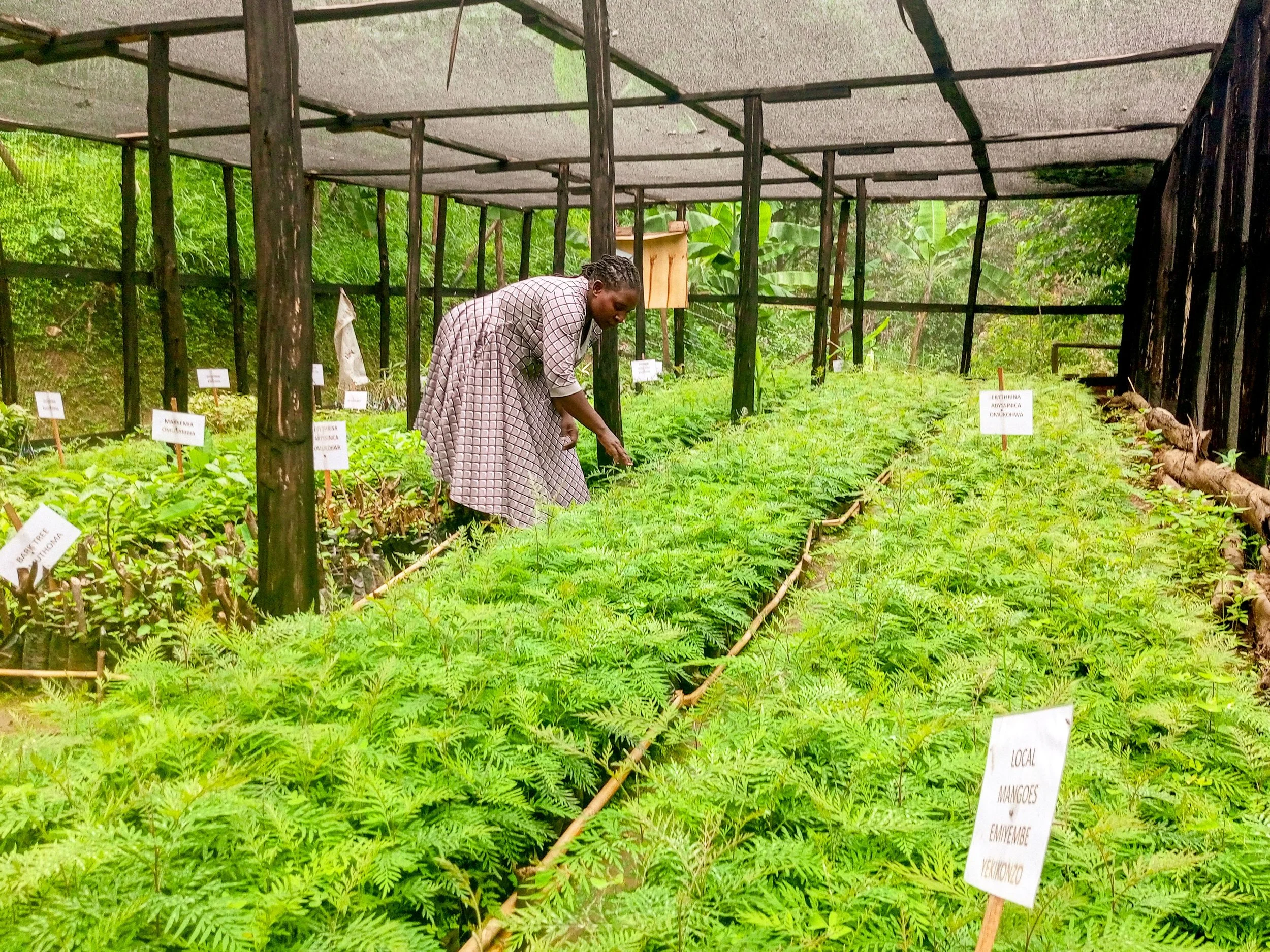
At the same time, El Niño can create windows of opportunity. In dryland areas, increased soil moisture can improve tree survival, provided planting is carefully planned. The task is not simply to avoid risk, but to be ready to act when conditions become favourable.
The lesson is clear. Restoration organisations need to be prepared for the worst, so that years of hard work are not undone. But we also need to be agile enough to seize opportunities when they arise.
El Niño is a natural climate pattern. But climate change is increasing the risks associated with extreme weather, and it may make the impacts of natural phenomena like El Niño more severe. That makes practical, community-led climate action more urgent than ever.
Join the fight for our planet
You can help tree planters harness the opportunities and respond to the quickly to the challenges of El Niño by donating today.