
It starts with nine piglets
In Ganzo village on the lower slopes of Mount Elgon, Annet Kanyanga had a plan. Like many of her neighbours she’d been earning an extra income planting trees in the national park, part of a restoration project run by ITF and local partner METGE. Now that the work was finished, she knew exactly where the money she was making would go.
"With the money we earned we formed a savings group, saved together and later I got a loan which I used to buy a pig” she says. “After buying the pig, she gave birth to nine piglets. I'm hoping to sell some of the piglets and use the money to pay school fees for my children."
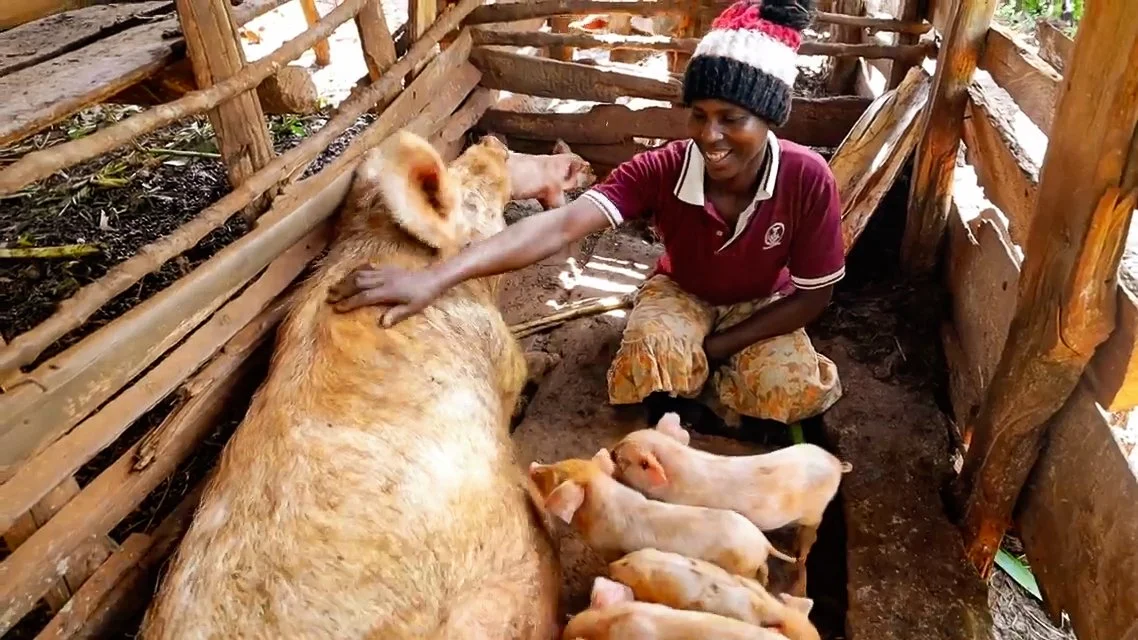
Annet Kanyanga and her pigs
Annet had joined a Village Savings and Loans Association (VSLA), one of five set up in the area during the project. Her experience was just one example of what happens when forest restoration takes the local economy as seriously as it takes the trees.
Bulambuli District, where Ganzo sits, is coffee and banana country. Most households here have farmed the same crops for generations, yet for many that hasn’t translated into financial security. There was no shortage of effort, but there was a shortage of financial structure: without a safe way to save or access credit on reasonable terms, households found that bad seasons compounded into bad decades.
A VSLA starts with a group of people, usually neighbours, agreeing to save small amounts regularly into a shared pot. Members can borrow from that pot at fair, agreed rates of interest, then those interest payments stay within the group rather than disappearing to a bank or lender elsewhere. Over time the pot grows and so does the group's collective ability to weather a bad season and fund local endeavours.
These five Mount Elgon associations were supported with financial training in record-keeping and how to run a VSLA properly: who keeps the ledger, how interest is agreed and what happens if someone falls behind. It’s not the kind of work that grabs headlines, but it’s often transformative.
Eight in ten community groups involved in the project's VSLAs, reported increased savings and investments.
Almost two in three accessed a soft loan through their association.
Loan defaults, something that can cause informal savings schemes to collapse, fell to just one or two per group.
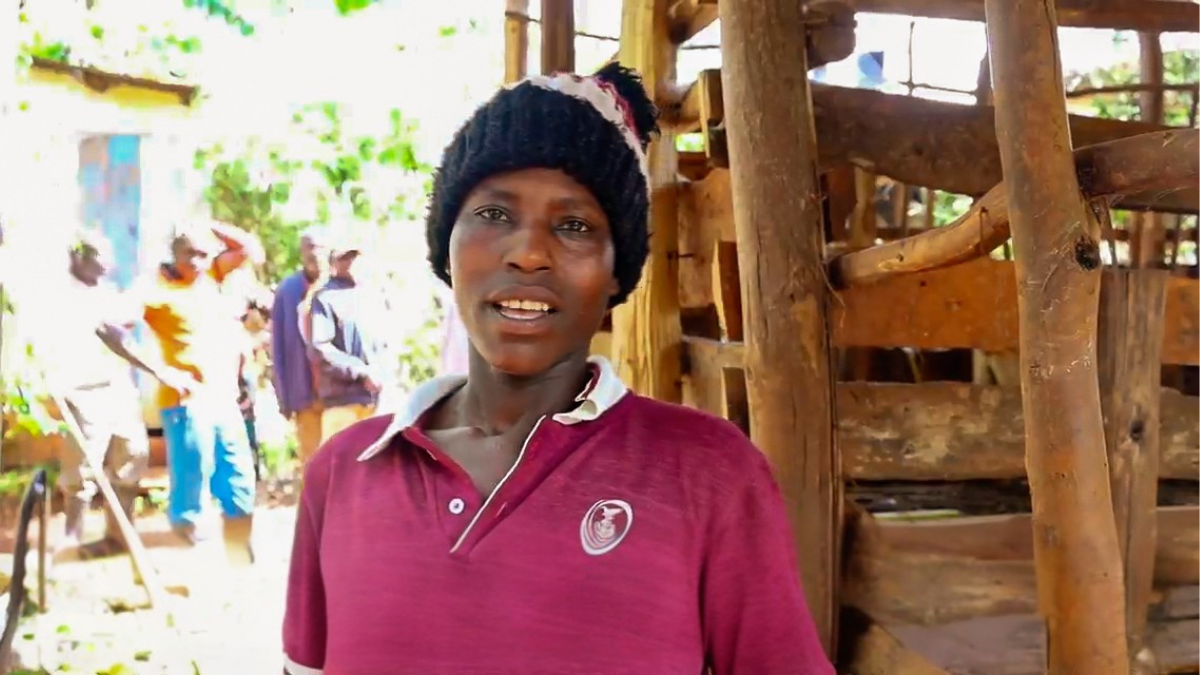
What did people do with those loans? Beatrice Nafula borrowed around £125 to pay her children's school fees. Peter Wekoba used a loan to open a small shop in the village, which has since become his family's main livelihood. One member of the Ganzo Youth group borrowed approximately £115 for his final semester at Busitema University, cleared the loan after graduating and is now applying what he learned in agricultural science directly on his family's farm.
Others, like Annet, bought livestock. Rose Namataka was among those who received funding for a heifer. "With the seed fund I bought a cow," she says, "and I milk six litres a day. I sell four litres and keep two litres for my children. The income from milk sales helps me to save money and pay school fees, so they no longer lack books and other school needs." Her cow's manure has transformed her farm too, improving her coffee production. When the cow has a calf, her plan is to pass it on to another group member so the same life-changing cycle can begin again.
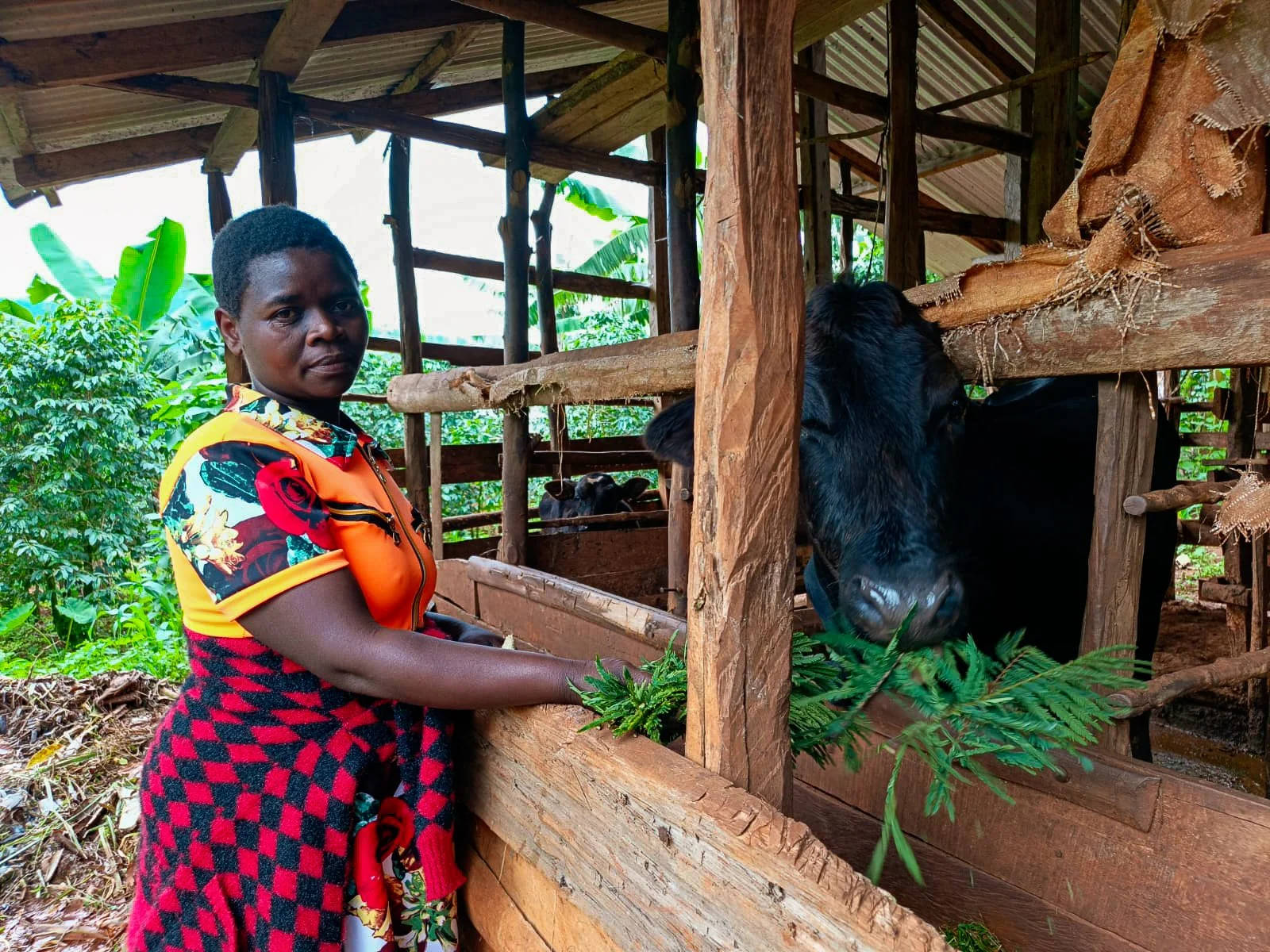
Rose Namataka and her cow
Elsewhere in the project, honey has provided an additional industry, working in partnership with bees that help pollination and biodiversity. Two beekeeping groups were given 50 hives, tools like suits and smokers and training in hive assembly, apiary management, honey harvesting and marketing. The Burera Environmental Beekeepers Saving and Credit Association, one of the five VSLA groups, began to harvest a hundred kilograms of honey every six months, selling it on in Mbale City. There is more for them to develop, including packaging, additional products like wax and routes to bigger markets, but the foundations are now in place.
The trees planted across Mount Elgon provide forage for these bees and stabilise the soil the coffee grows in, but by itself, the forest would not have given Annet the tools to change her life, nor Namataka, nor Peter. It also took a savings group, a pig, a cow, a shop and the belief that people who farm a landscape should have a fair stake in its economy.
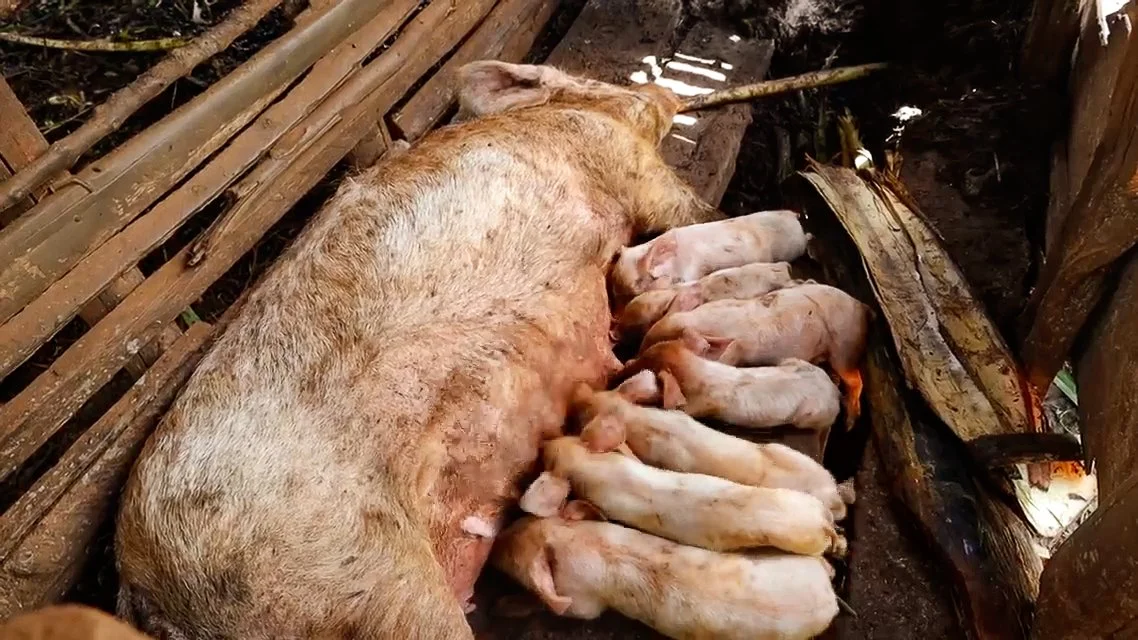
"I hope that through it my children will be able to study and succeed," says Annet, "and also support me in the future."
Nine piglets is not a large number, but for one household in Ganzo village, it’s the beginning of something that can last.
Donate today
Restoration projects like these create a ripple effect which reach beyond the forest’s edges. Donate today and help more women like Rose and Annet change their lives and their family’s future for good.