

ITF partner visits: seeing community woodlands take root
Visiting Cambridgeshire this week to meet our partners and check on trees we've supported over the past four years was a real pleasure. One of the most rewarding parts of my role at ITF is seeing young trees beginning to establish and meeting the people whose enthusiasm has made these projects possible.
Across the UK, ITF works with a wide range of community organisations to plant trees in places people use and enjoy, from expanding existing woodlands to creating new habitats at schools, farm shops and parks, as well as alongside popular walking and parkrun routes. Every project is different, but they all have one thing in common: local people are at the heart of making them happen.
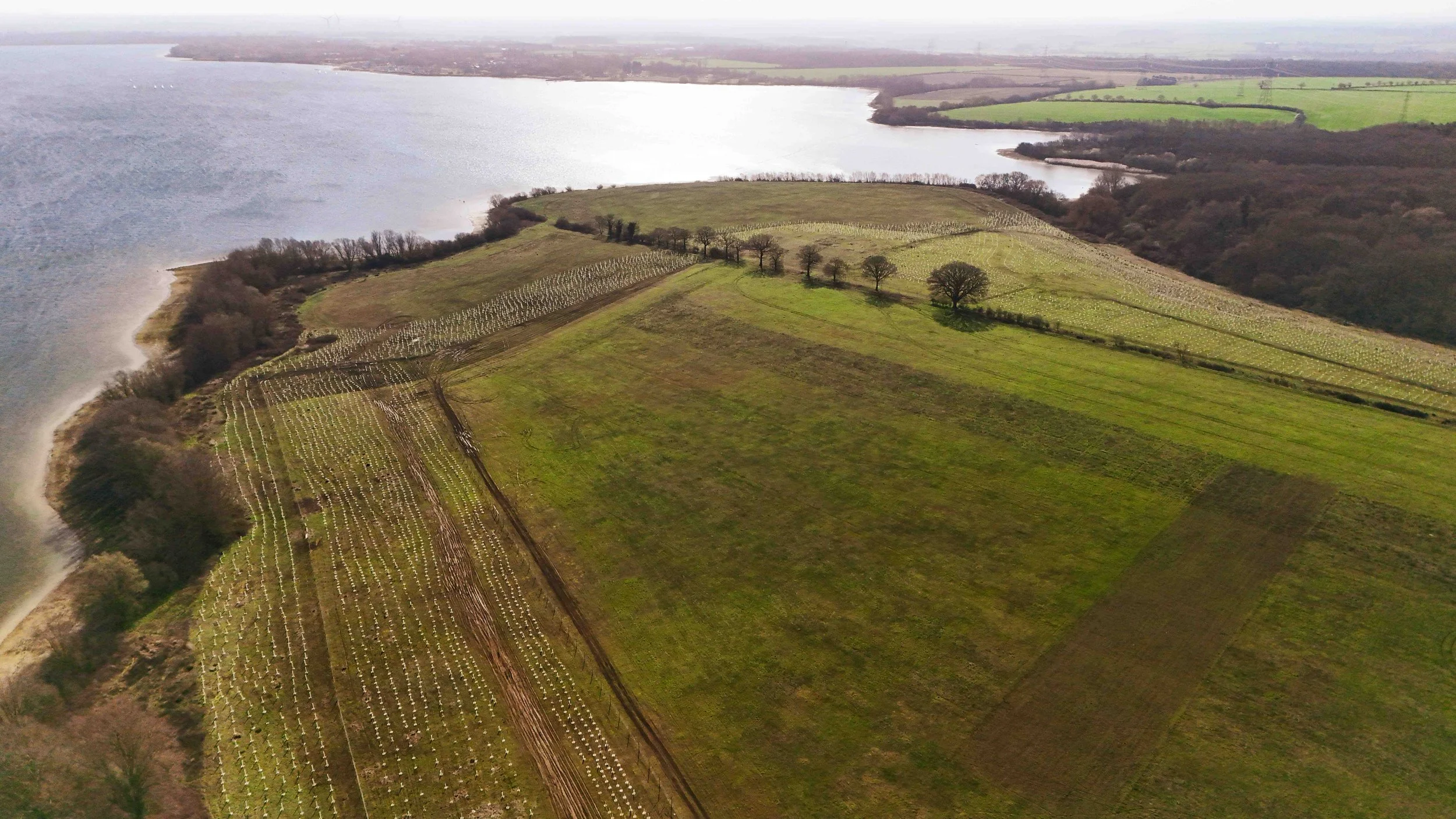
One of the projects we've been monitoring most recently is our partnership with the charity Creating Nature's Corridors, working alongside Anglian Water at Grafham Water, one of the country's largest reservoirs. During the 2025/26 planting season, ITF funded 5,000 trees as part of a much larger woodland creation project. It was wonderful to return and see those tiny saplings beginning to take hold.
Creating a woodland for the future
Known as Rory's Wood, the new woodland covers 35 acres, around the size of 19 full-sized football pitches, and sits alongside the reservoir on a popular circular walking route. Over 18,000 trees have now been planted across the site, creating what will become a significant new woodland for both people and wildlife.
One of the things that impressed me most was the careful thought that had gone into choosing the trees. Twenty-seven different native broadleaved species have been planted, selected not only to increase biodiversity but also for their resilience to future climate conditions, particularly drought. Following the recent heatwaves we've experienced, it feels more important than ever to create woodlands that can cope with warmer, drier summers.
The variety of species will provide nectar, berries, seeds and shelter throughout the seasons, creating habitat for insects, birds and mammals while making the woodland more resilient to pests, diseases and our changing climate.
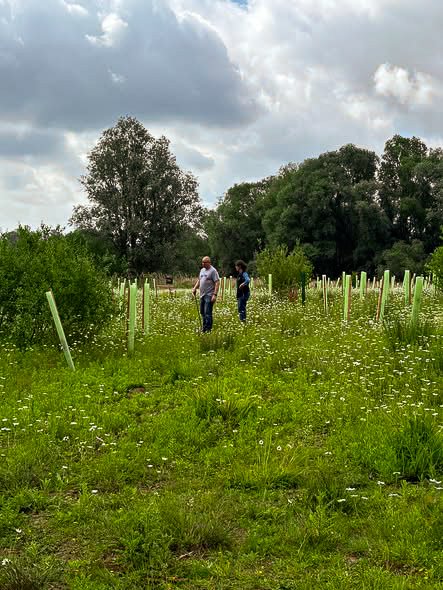
The wider aim is equally exciting. This wood has been designed to reconnect fragmented habitats by linking two existing areas of woodland, creating a wildlife corridor across the landscape. This "tree highway" will allow species such as dormice to move more freely between habitats, while also benefiting bats, pollinators and many other woodland species. The site continues to evolve too, with a new osprey platform recently installed in the hope that these magnificent birds will one day breed at Grafham Water.
Why we monitor
People sometimes ask why ITF carries out monitoring visits rather than simply leaving partners to get on with their projects. The answer is simple: planting trees is only the beginning.
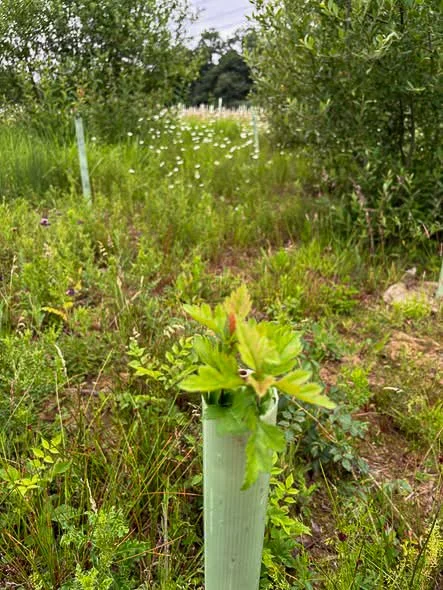
Monitoring allows us to support our partners during the most important stage of a tree's life: its first few years. During our visits, we walk the planting sites together, checking tree health, recording tree species, measuring the height of sample trees and assessing survival rates using our monitoring app. We also discuss maintenance, looking at whether trees need watering, fresh mulch or protection from pests and browsing animals.
Just as importantly, monitoring gives us the opportunity to learn. Every landscape is different and every project teaches us something new about species choice, planting methods and aftercare that we can share with future partners.
I was delighted to find that more than 90% of the trees we visited in Cambridgeshire are thriving. Considering the hot, dry weather we've experienced recently, that is a real testament to the commitment of our partners and volunteers, who have worked hard to water and care for the young trees.
Community makes the difference
One of the things I love most about ITF's work in the UK is the people behind the planting. Projects like Rory's Wood simply wouldn't happen without volunteers. Over eight weeks, 790 volunteers took part across 18 planting days, helping to create a woodland that will benefit future generations.
Planting trees gives people a real sense of ownership over their local environment. Volunteers don't just put trees in the ground. They return to weed, water and monitor them, becoming long-term custodians of the landscape. That ongoing involvement is incredibly important because the best woodlands are cared for by the communities that use them. Many volunteers also identify new areas where trees could be planted in future, helping us create even greater environmental impact over time.
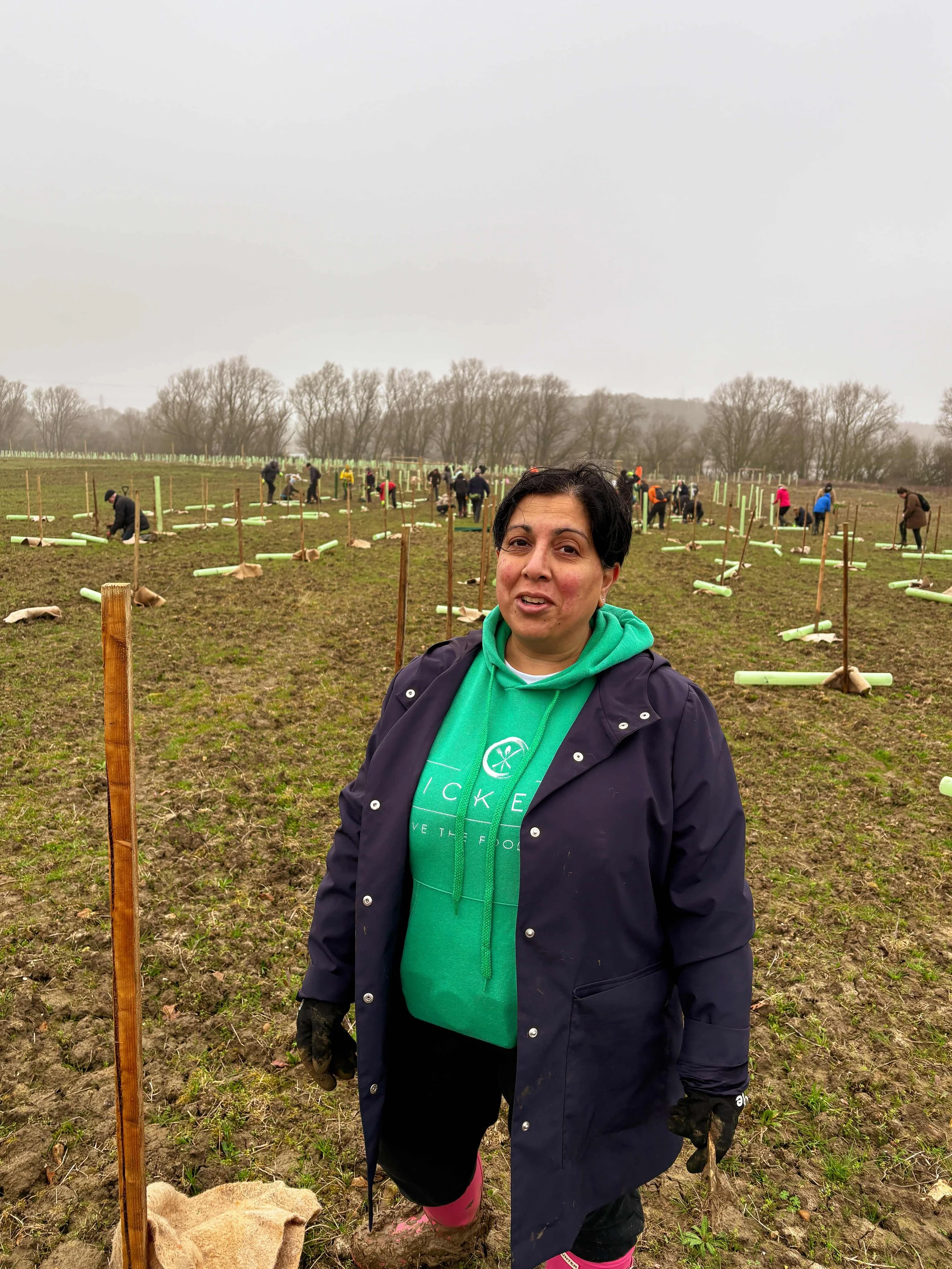
Meeting these volunteers is always inspiring. Their enthusiasm reminds me that successful tree planting isn't just about the number of trees planted. It's about building lasting relationships between people and nature.
Looking ahead
We're delighted to announce that ITF's next round of UK Community Tree Planting Grants is now open. We invite organisations across the country to submit a brief outline of their planting plans, with successful projects being selected at the beginning of October, in time for the next planting season.
Every successful grant includes funding not only for planting, but also for the aftercare needed to help young trees become well established.
I hope that over the coming years I'll have the opportunity to visit many more partners and watch today's young saplings grow into thriving hedgerows and woodlands.
If you're involved in tree planting, land management or community projects and would like to work with us, we'd love to hear from you.
Help more community woodlands take root
Help grow the woodlands of the future. Donate today to support local people to plant, care for and protect trees, giving young saplings the best chance to grow into thriving woodlands for people and wildlife.