

When forests in East Africa are felled and fragmented, the elephants who rely on them are forced into ever-smaller areas where they struggle to find food, water, or safe routes to travel.
Karani Peter has seen it happen. Living alongside South Marmanet Forest in Laikipia, he’s watched fire and logging destroy the woodland he was born and brought up by. “When the forest disappeared, the animals started leaving the forest and invaded the community farms in search of food,” he remembers. The site, he adds, is an elephant breeding area and a migratory corridor between the Laikipia and Samburu ecosystems.
For Mercy Kimani, ITF’s Kenya Programme Manager, restoring landscapes like this across the country brings obvious benefits for wildlife. “We can see that birdsong and insect activity have intensified, elephant populations in Meru Forest are rising, and small animals such as dik-diks, antelopes and hares are thriving in Ndaragwa Forest. These indicators demonstrate a clear revival of biodiversity across restored ecosystems.”
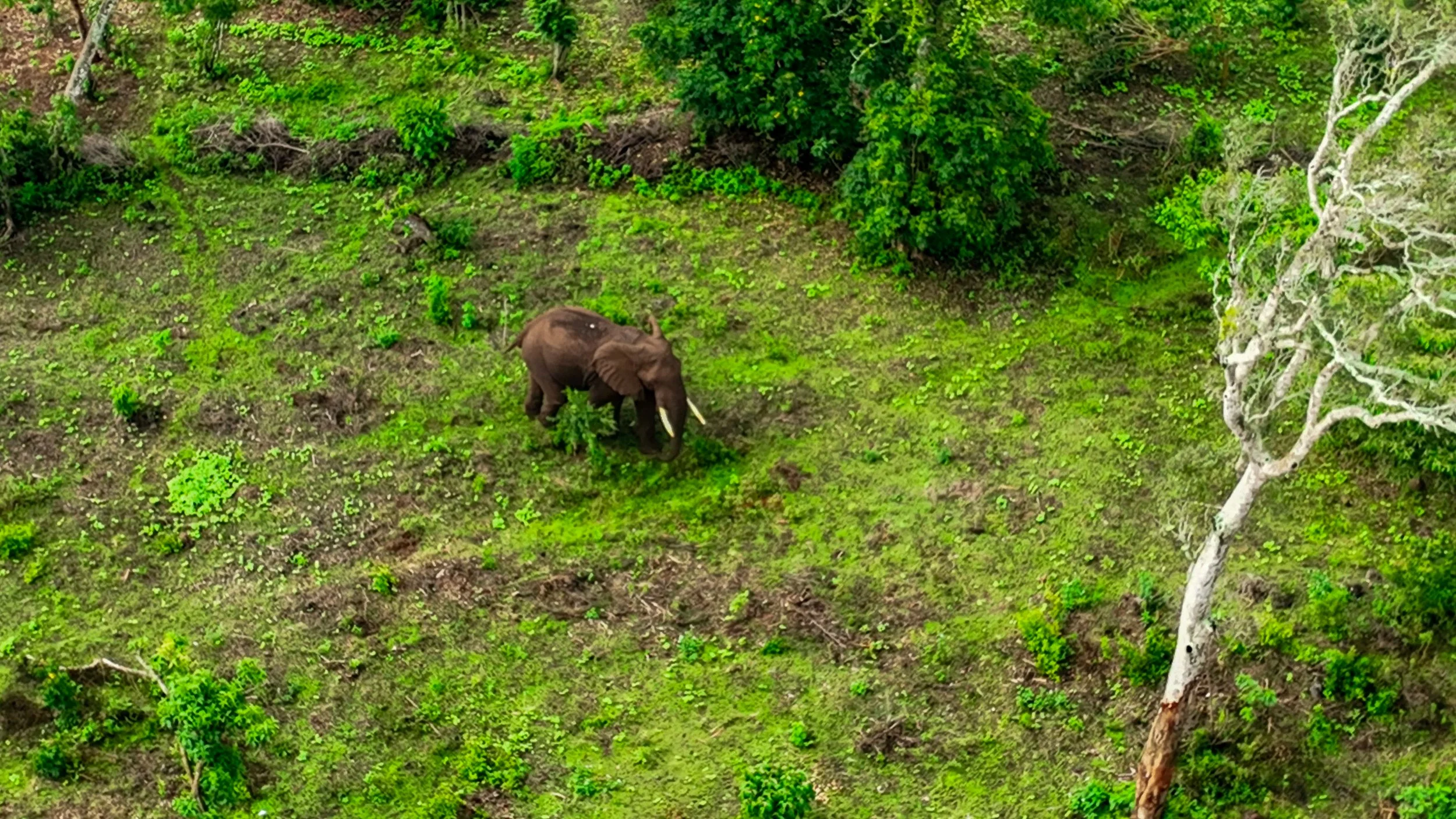
Back at South Marmanet, the community is now working with the Kenya Forest Service and Community Forest Association to restore 70 hectares by planting 70,000 indigenous trees. To the west of the country, on the slopes of Mount Elgon – another place where elephants raise their calves – more than 100 local people recently helped us to plant and protect 24,800 trees. And the rising elephant numbers at Meru came in part after community teams cleared invasive plants like lantana – which reduce the vegetation that elephants eat.
Meanwhile on the Ugandan side of the Mount Elgon ecosystem, both elephants and buffaloes have been returning to parts of the national park after more than 40 years away. Restoring the banks of Uganda’s Lhubiriha river in Ihandiro Sub County, has also helped to sustain a critical ecosystem that’s home to many elephants, hippos and antelopes.
All these examples are a reminder of what a healthy forest does for wildlife, and what can be lost when it goes. For Josephine Wangari, who helped us to plant trees at Kamuyu in Kenya, a stronger forest is good for everyone: “we have planted about 10 species in the forest, some of them are medicinal, beneficial for our health and even for animals.”
That’s because these woodlands act as a pharmacy, as much as a home. As explorer Levison Wood records in The Great Tree Story, species examples include willow bark, which contains a compound that acts like aspirin, while both the rosy periwinkle and Pacific yew tree provide extracts used in chemotherapy drugs. A forest healthy enough for elephants to thrive is often one that can supply the medicines humans rely on – and as recent research shows, elephants use plant species for medicine too.
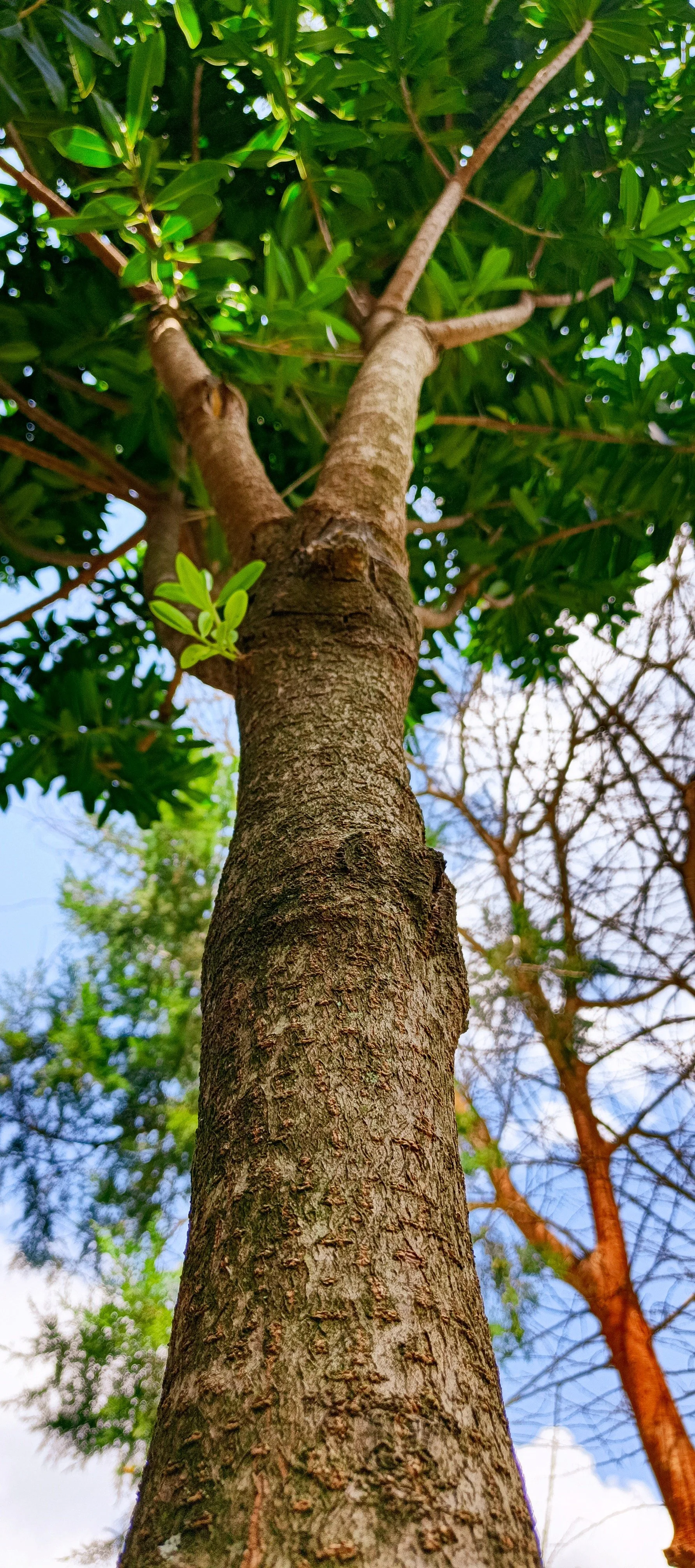
The greenheart tree
Yet as forests are cleared, wood warns, we’ll lose the medicines growing in them – including those we’re yet to identify. It’s already happening in many places, with up to a fifth of our 50,000 known medicinal plant species under threat of extinction. For generations, the bark, roots and leaves of the greenheart tree have been used in traditional medicine to treat coughs, malaria, stomach pain and toothache, but in Kenya’s Kobujoi Forest our team found just two mature greenhearts they could collect seeds from.
That’s why we find, grow and replant threatened trees. Working with local people, we identify key species like the African cherry (Prunus africana – used to help reproductive health and in medicines for prostate conditions), collect their seeds, raise the seedlings in community nurseries and plant them back into the forest. At the lower edge of Mount Marsabit’s forest in northern Kenya, we supported farmer Isiaih Lekesike in growing Neem trees. Now, his local community can access the tree’s valued medicinal properties and buy Neem seeds at a subsidised price.
Which brings us back to the other way in which trees help both farmers and elephants. As Kawira Peninnah, a member of the community forest association in Upper Imenti Forest, notes, “planting threatened tree species in the forest will provide elephants with food and stop them from coming to community farms.”
Help us to restore forests that sustain people and elephants
Working together with local community groups in Kenya, we’re planting native trees that restore forests, reconnect ancient wildlife corridors and give elephants the space to roam, feed and flourish.
To do that, we need to raise £40,000 this Christmas. Please donate to our Christmas appeal today. A gift of just £6 can get three trees planted and protected. £32 can provide essential seeds and tools. And for one week only, your gift will be doubled at no extra cost to you.