
In the heart of Kenya’s forests, a group of people from local communities are training for an unusual job. Guided by specialists from the Botanical Gardens Conservation International and the National Museums of Kenya, they’re learning to identify and locate ‘mother trees’ – some of the oldest trees in the landscape. These ancient giants are connected to the plants around them through underground fungal networks, where they silently exchange nutrients and chemical signals across the wider ecosystem.
The work this group will soon be doing is more urgent than you might think. Kenya is home to around 1,100 native tree species, but nearly 10% of them are threatened with extinction. Losing even a single species can trigger a chain reaction: forests become more vulnerable to fire or disease, habitats start to shrink, dependant wildlife and microorganisms are weakened and local communities can be left unsupported. Once a tree species is gone, it’s often gone forever.

Trees are food-growers and shade-givers, drought-stoppers and flood-fighters. They capture carbon as they grow, cool the air around them, help to clean the soil beneath their roots and sustain the wildlife which depends on their canopy. In many of the places we work across Kenya, Uganda and Tanzania, they’re also income-earners, school-fee payers and long-term sources of security for families that have few other options.
Simon Kairu is a forest scout in Kenya, trained through one of our restoration programmes. He collects seeds from mother trees, monitors their flowering and fruiting cycles and ensures that the next generation of species reach community nurseries. These skills that have changed Simon’s life. “The income generated from this initiative has significantly contributed to my ability to finance my son’s university education. This project has profoundly transformed my life and career trajectory.”
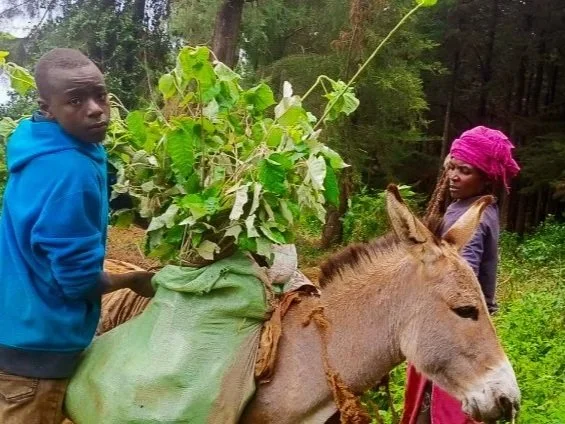
Seedlings nurtured in community nurseries spend around nine months developing before they’re ready to be planted back into the forest. Getting them there is its own challenge, though for Ruth Kimunto it’s another valuable source of income. “The initiative employs my donkeys to transport trees to locations inaccessible to tractors. Through the income generated from this, I’ve been able to…pay for my rent and my three children’s education.”
Both Ruth and Simon help to demonstrate why our approach to restoration has always been community-led, because conservation projects that local people run, monitor and maintain are projects that last. Our tree survival rate is far above other rates in the sector because we invest in the skills, systems and long-term relationships that protect trees long after planting day.
In 2025 alone, these initiatives planted over 542,000 trees and supported 15,500 families with increased income. More than 31,000 women and girls are benefiting directly from our programmes, because our work shows that when women are trained in restoration and given a meaningful stake in the land they manage, trees are better cared for, then communities become stronger.
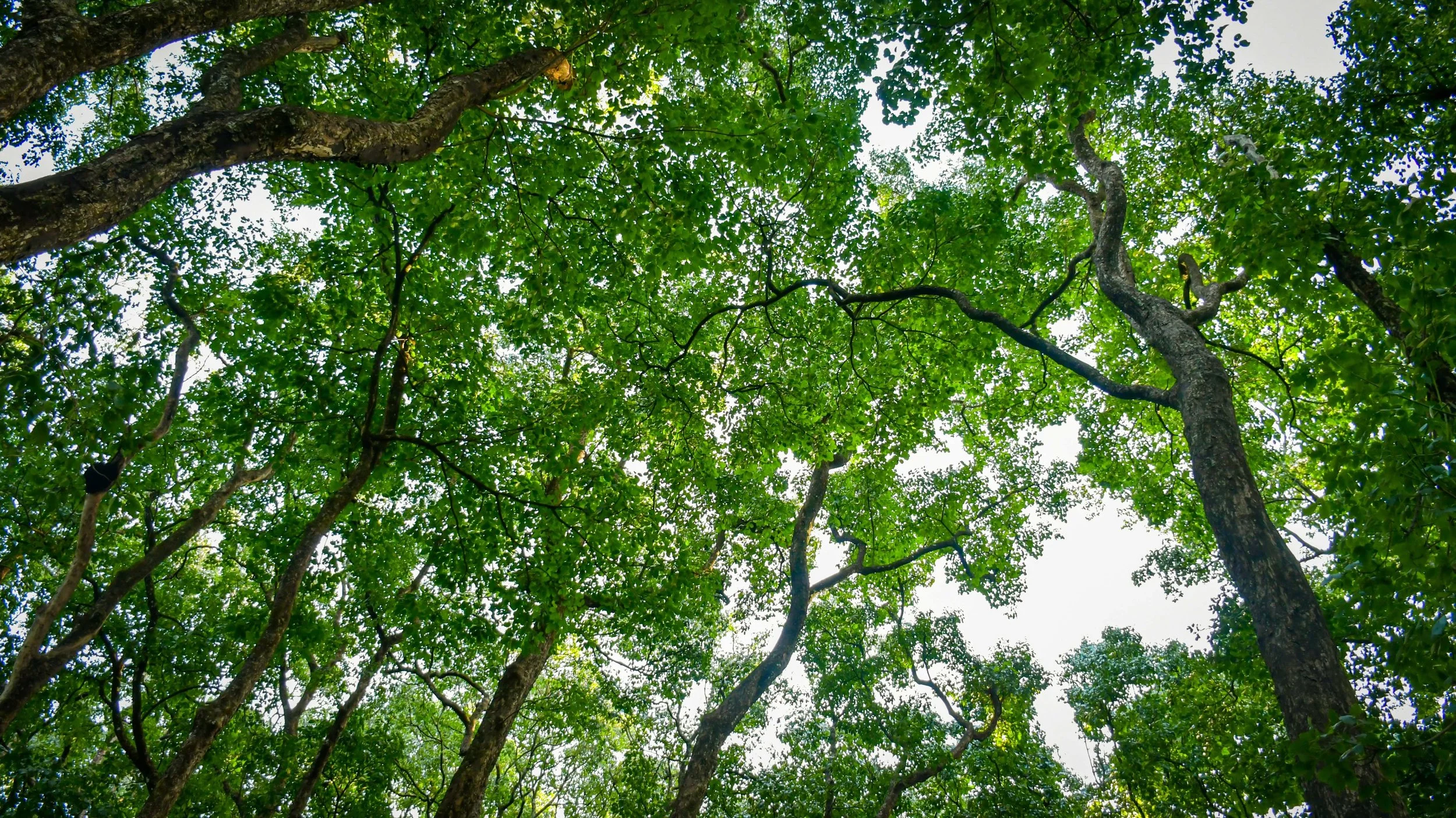
So, while it’s true that the pressure on our forests is greater than it’s ever been, so is the evidence that trees planted in the right places, with the right communities, can make a long-lasting difference.
Every £2 donation could hep plant a tree. That tree might then shelter an elephant calf in a recovered forest in Kenya, or help to anchor a hillside in Uganda, protecting the community below from landslides. Giving a little more could support projects that shade school playgrounds in Tanzania or provide the income that helps children go to school in the first place.
The power of trees is real, all we need is your help to plant them. Please donate today.