
The trees that made peace between brothers
The argument between Jackson Lechabara and his brothers had been running for years. No-one could agree exactly where his bit of the farm ended and where theirs began, but either way it was making farming across the land more difficult. It was the kind of debate you could see carrying on for ever.
Except today, it’s ended, because a line of trees is growing right along an agreed boundary – planted by Jackson with support from our AFR100 project. Nobody can dispute the border anymore, because the trees have drawn it.
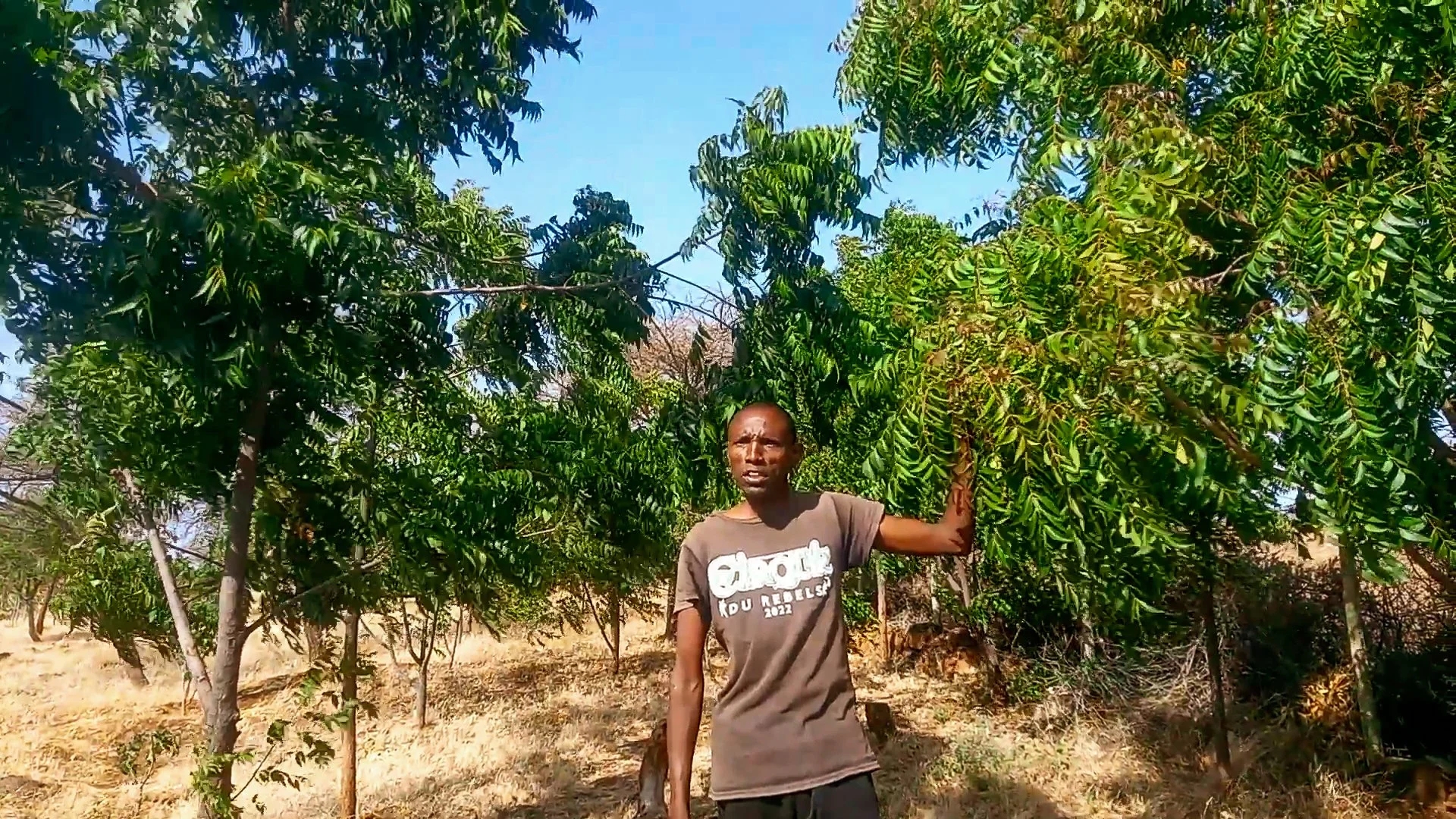
Jackson Lechabara
Trees for a hot, dry landscape
This is Marsabit County in northern Kenya: hot, dry, relentlessly windy and home to mostly rural communities that have lived with the harshness of the landscape for generations. Over the last five years, our AFR100 initiative has been backing local people who want to change that, with tree planting schemes that bring in shade, windbreaks and a meaningful difference to many families here.
Take Faith Lemowo, a farmer in the Songa area. Faith raises livestock, but in northern Kenya that means spending a lot of your week sourcing animal feed. Fodder is scarce, so you travel for it, which costs the kind of time and money that many households can’t spare. ITF supported Faith with Leucaena tree seedlings, which she planted alongside her compound. Before long, food for her animals began to grow outside her front door and the time she used to spend sourcing feed, could go back into running the farm.
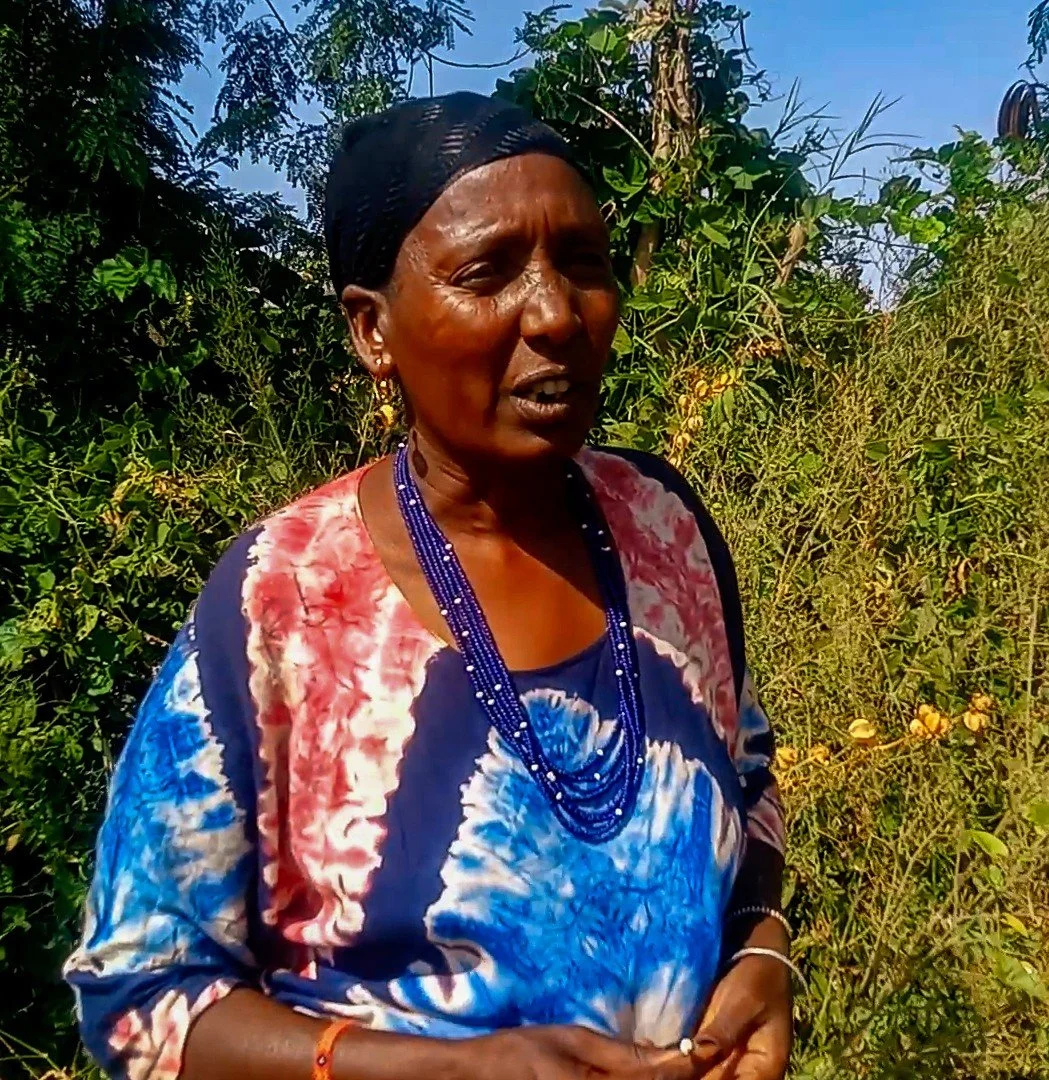
Faith Lemowo
Not far away, Esther Eysimbasele has her own story about the benefits tree planting can bring. Esther’s trees provide her homestead with a natural windbreak, but even more importantly they’ve become a new source of income. Her Croton trees produce seeds that are valuable to local people (for example, they contain high amounts of oil that can be used as a biofuel or in cosmetics), who previously had to travel into the forest to collect them but now buy from Esther instead.
Meanwhile, Lucy Lealo’s farm has become something a bit more unusual in Marsabit: a demonstration site, with other farmers heading to Lucy’s to learn what’s possible with planting. She’s growing fruit trees alongside other species, providing not just a source of shade, windbreaks, animal feed and income from selling fruit, but also an outcome that it’s harder to put a price on – a more attractive environment. Everyone who visits agrees that her farm is now more scenic than before and in a landscape like this, being suddenly surrounded by greenery and ripening fruit is no small thing. Here at Lucy’s, everyone’s favourite fruit comes from the mango trees planted in 2022, as these are now producing the sweetest mangoes! For short term gains in projects like this though, we also plant papaya trees, which can provide lots of fleshy and sweet fruits more quickly – something valued for both their nutrition and the opportunity to sell any surplus.
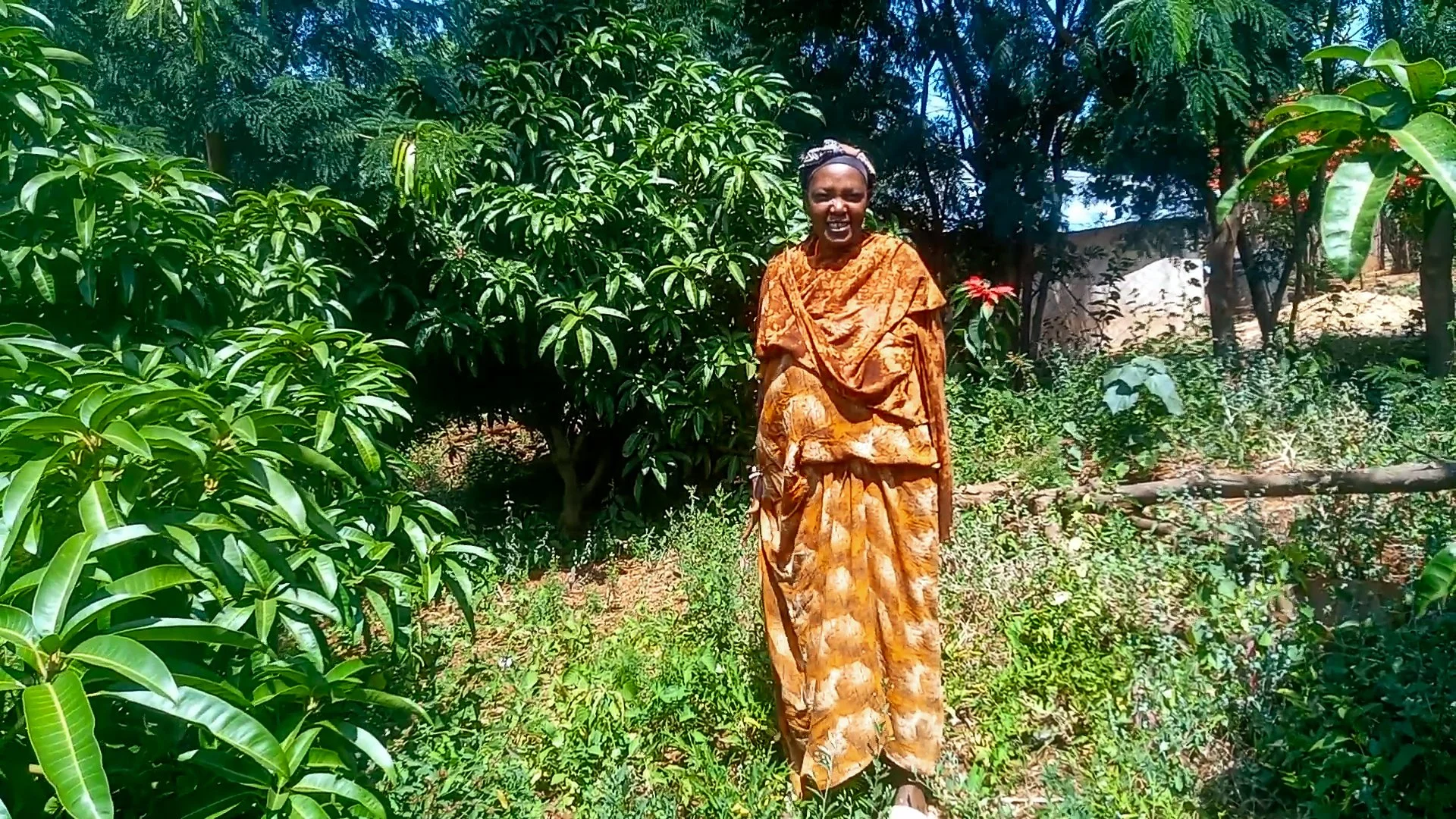
Lucy Lealo on her farm
Further out, at the lower edge of Mount Marsabit’s forest, Isiaih Lekesike has shown what tree planting can do even in the toughest conditions. Poor vegetation cover and extremely dry soil left a desert that was difficult to do much with, yet after Isiaih selected the perfect species to match the environment – Neem trees – and planted them with our support, his land began to change. He now harvests Neem seeds and sells them to his local community at a subsidised price – they can also access the tree’s valued medicinal properties without the long journeys to previous places. Here, Isiaih has built the proof that if you back the right trees for the right conditions, you can build a better future.
Trees for students and birds
It’s not just farms either. At Bishop Cavallera Secondary School in Marsabit town, the benefits trees can bring are clear to a whole generation of students. Their compound used to be battered by wind and dust, affecting both the students and the quality of the environment they were trying to learn in. Through the AFR100 project around 1,900 trees were planted, creating a woodland area with canopy cover and much less dust – in short, it became a school where students can focus on their studies.
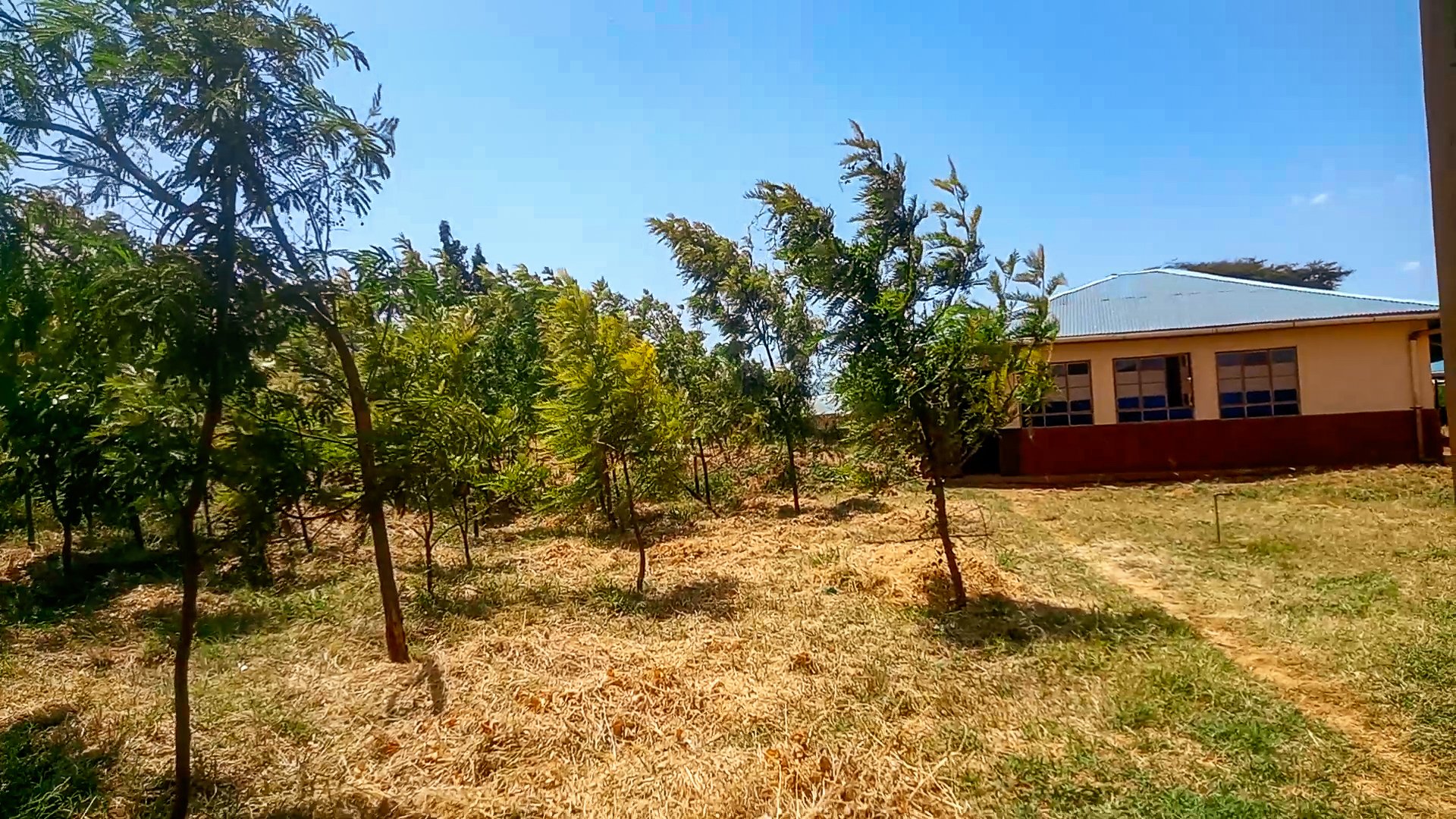
Bishop Cavallera Secondary School
And at the Songa Forest site, where we’ve supported the community with 10,000 seedlings, the transformation is ecological as well as practical. Previously bare, degraded land is becoming a better, greener habitat, with birds returning to the branches and restored areas reconnecting with the adjacent natural forest.
As one of my colleagues working here concluded, “this project has already transformed the community’s attitude towards tree growing and improved their livelihoods”.
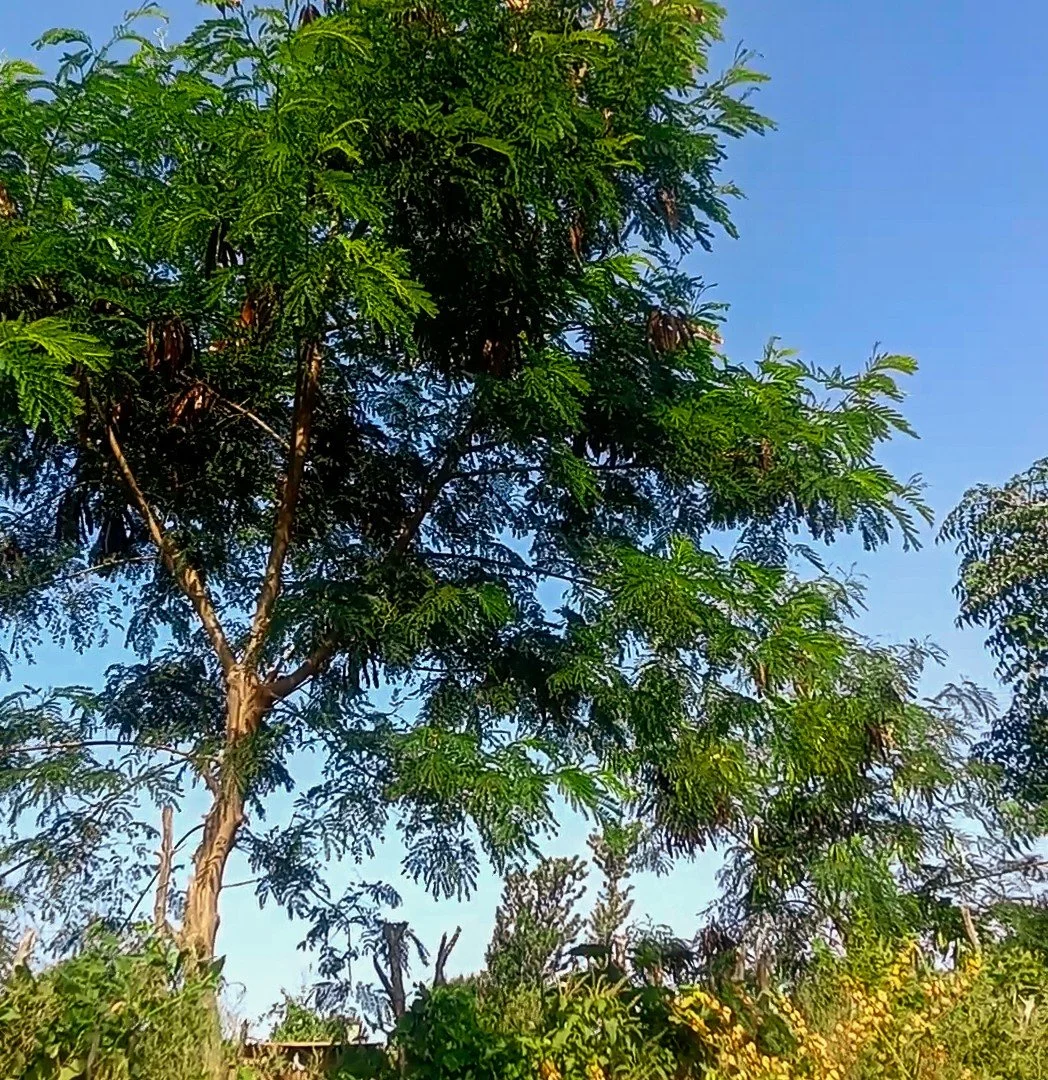
When you visit Marsabit, it’s easy to see why. Tree planting has brought incomes from fruits and seeds, fresh animal fodder, new shade, natural windbreaks and better school environments. It’s also solved a long running boundary dispute between Jackson Lechabara and his brothers – just another example of how, in many ways, the trees have drawn a line to build from.
Donate today
Trees do so much more than just capture carbon, they’re windbreakers, peacekeepers, seed suppliers and they can turn bare land beautiful. Help plant more trees with a gift today.