

A nature reserve three and a half times the size of the Peak District… in our back gardens
Britain's gardens cover an area three and a half times the size of the Peak District National Park. That's more than 1.2 million acres of front and back gardens. Imagine what we could achieve for nature if we made even a small part of that space more wildlife-friendly.
And there's another good reason to do so. With climate change bringing hotter, drier summers and more intense rainfall, many of the changes we make to benefit wildlife can also help our gardens cope with a changing climate.
I've been trying to 'nature-max' our garden in Oxfordshire – encouraging as much wildlife as possible. None of it has been particularly complicated or expensive, and most of what I've done could work in any garden.
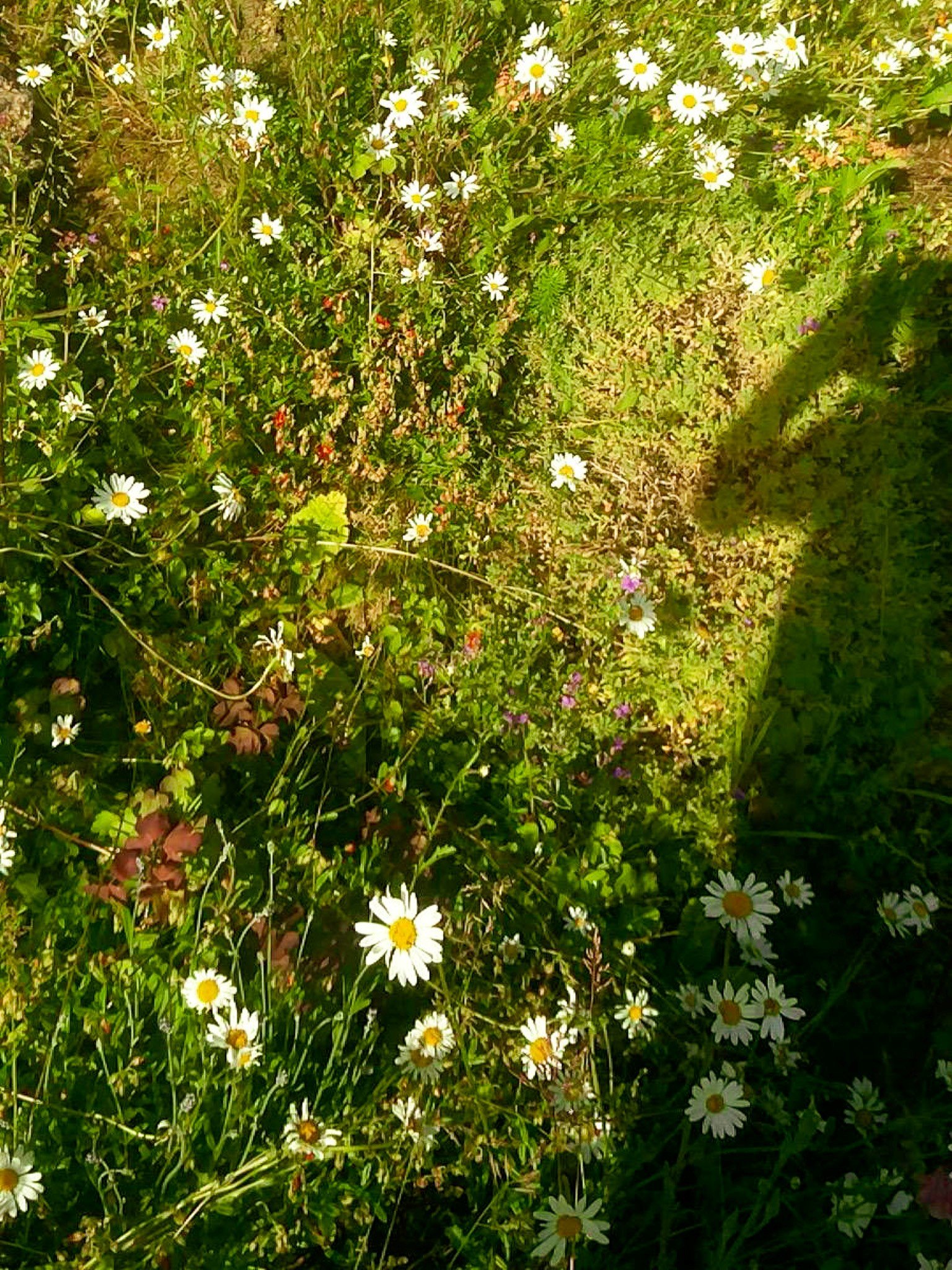
One of my favourite projects has been turning part of our lawn into a wildflower meadow. Even a few square metres can provide food and shelter for pollinators and other wildlife. This summer, while much of our lawn struggled with the dry weather, the meadow fared noticeably better.
I've also just planted meadow clary, a beautiful native wildflower classified as Near Threatened in Britain. It grows naturally at a nature reserve just down the road, so I'm hoping it will thrive in our garden too.
Another project has been planting heritage fruit trees. They're a win-win – apples and plums for us, spring blossom for pollinators and shade during hot weather. Even small gardens can accommodate a fruit tree, particularly on dwarf rootstock or trained against a wall. I've also been putting a generous layer of mulch around the young trees to help retain moisture in the soil, keeping it clear of their trunks.
In one corner is a native hazel, which provides early pollen for insects and nuts for wildlife. I can also coppice it to produce poles for stakes, firewood and washing-line poles!
Sometimes, though, the best thing I can do is nothing. I've allowed ivy to grow, providing a valuable late-autumn source of nectar and pollen, and piled up branches and sticks to create shelters for insects and other wildlife. Leaving some fallen leaves and dead flower stems over winter is another easy way to help.

We've also installed a bird feeder and hedgehog house, and I've put in a water butt to collect rainwater for dry spells. We're avoiding pesticides and reducing unnecessary outdoor lighting too.
One lesson I've learnt is that bird feeders need careful management to prevent disease; the RSPB now recommends feeding seeds and peanuts only between November and April.
Autumn is a good time to get started. Plant a native tree or shrub, prepare a small wildflower patch, mulch an existing tree or leave a corner of the garden undisturbed.
None of these measures alone will reverse biodiversity loss or protect us from climate change. But across more than 20 million gardens, small changes can add up to something significant.
We need nature recovery on a much larger scale, but there's plenty we can do closer to home. Every garden can play a part.
The Garden Tree Guide
Planting trees is one of the best things you can do to help protect our planet. And planting one in your garden is a great place to start. We’ve created the Garden Tree Guide to help you do just that. From choosing the right tree, planting it in the right place and ensuring it thrives, you’ll have all the steps your need.