

In Laikipia, Kenya, a degraded forest has pushed hungry elephants towards neighbouring farms – now local people are trying to plant a way back.
Karani Peter grew up beside the wildlife of South Marmanet Forest in Laikipia County, sharing the trees with baboons, hares and elephants. “We were living peacefully with these animals before the forest was destroyed,” he recalls.
Then the forest caught light. Karani points to fires from uncontrolled grass burning by farmers in the dry season, as well as blazes linked to wild honey harvesting. Widespread logging of the remaining trees made things even worse.
Samuel Kariuki Njiru, our Rift Valley Kenya Project Officer, has seen what’s left. “A place that was once a big forest is now degraded, scattered with a few resistant tree species that bear the scars of burning.”
When the food runs out
As the forest disappeared, Karani says, the animals began to leave – moving into the community’s farms in search of food. Samuel saw the same pattern, “Elephants are forced to intrude on human habitats, then elephants and humans get into conflicts, sometimes even dying.”
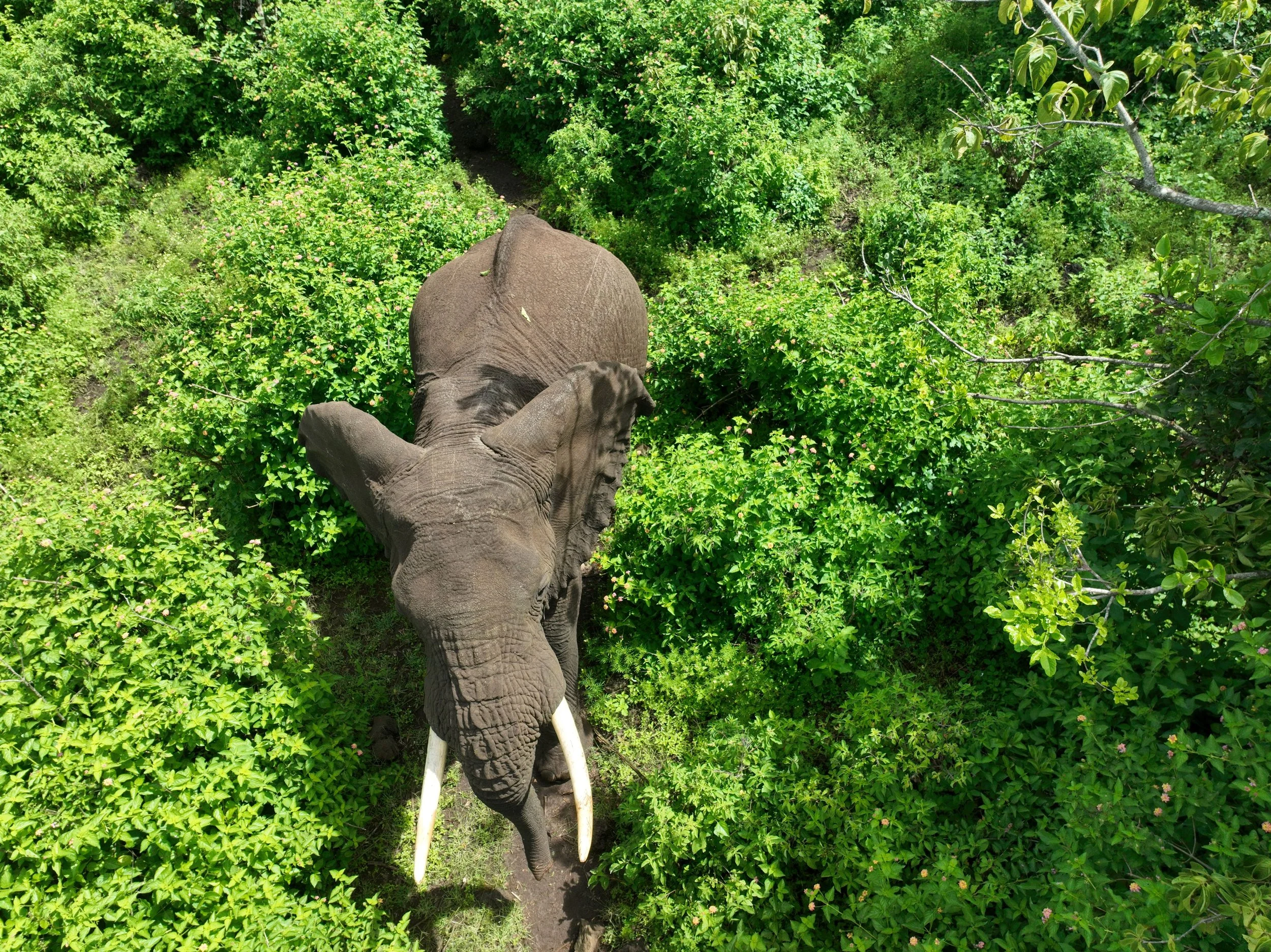
Many are experiencing similar events across the border in Uganda, where Daniel Misaki of the Ihandiro Youth Advocates for Nature, reports that invasive plants are crowding out the food elephants need. “The elephant space for forage is shrinking every day, so the elephants are trying to look for space and moving out of their territory,” says Daniel. Sadly, as in Kenya, this can often turn violent, “People have died in the community area being attacked by elephants in the crop farms, and also people have attacked and killed elephants on the farms.”
Trees can be the solution
The answer can be as simple as it sounds: plant the right native trees in the right places, in partnership with the people who live beside them. Those trees start to give elephants their food and shelter back, while fruit trees grown among crops can help to feed families and bring in an income, so there’s less pressure on the forest to provide resources. Even bees can play a part – elephants might be enormous, but they’re scared of bees, so introducing beehives near crops and young trees can help to protect them and provide additional income from honey.
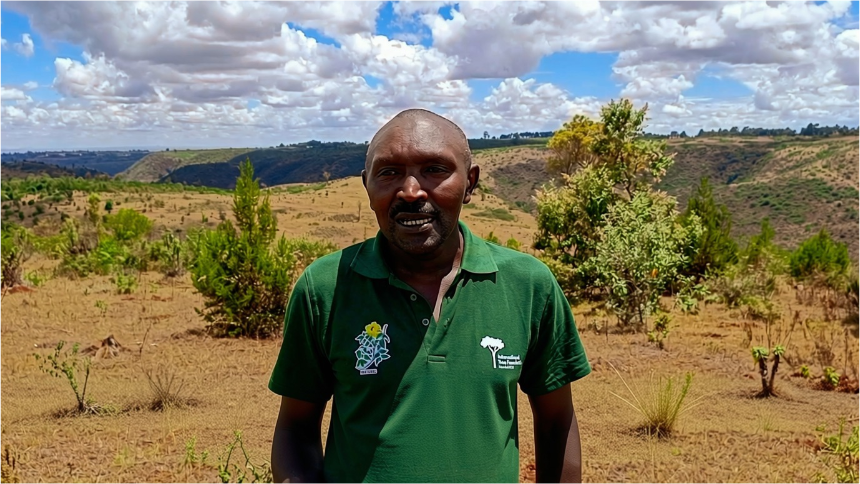
Karani Peter grew up beside the wildlife of South Marmanet Forest
In Upper Imenti Forest on Mount Kenya, Kawira Peninnah, a member of the local Community Forest Association, supports this approach. “Planting threatened tree species in the forest will provide elephants with food and stop them from coming to community farms.”
A forest fighting back
Kenya is home to roughly 42,000 elephants, nearly a quarter of them in the highland forests where ITF works. About 8,300 of those rely on the ecosystem around South Marmanet, where the forest is an elephant breeding area and part of the route they use to travel between Laikipia and Samburu. Elephants carry their calves for around 22 months, the longest pregnancy of any land mammal, so safe, sheltered ground really matters during this time. Every gap in the woodland is a gap in their journey.
Karani and his community are already helping to change that, working with us to restore 70 hectares of South Marmanet by planting 70,000 native trees, alongside our partners the Nyalana Community-Based Organisation.
The group are pleased with their progress, but they know that more can be done. This site is only one part of a much larger area of degraded forest, so, with further support they can restore the rest alongside the Kenya Forest Service and the Community Forest Association.
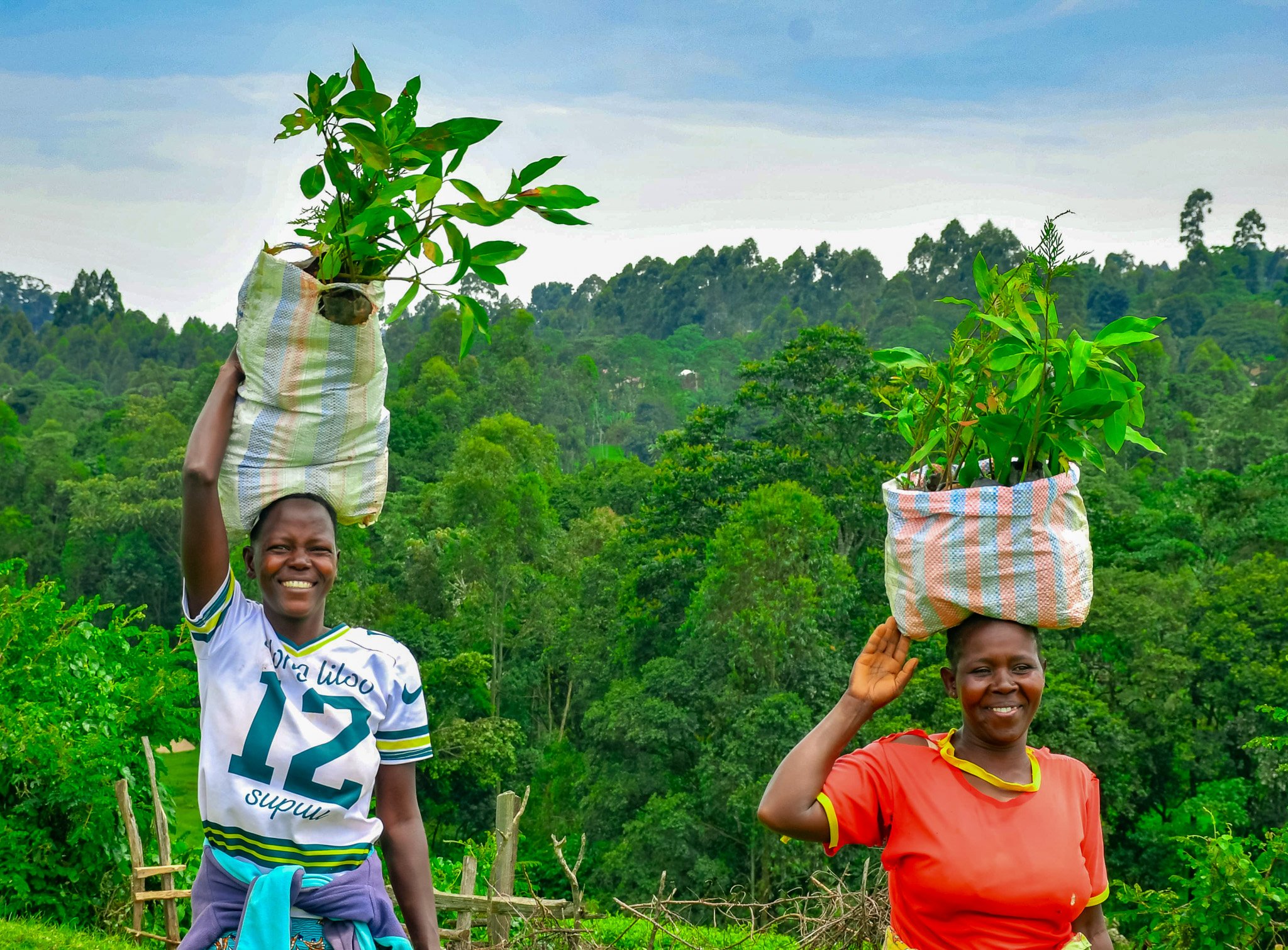
Our Christmas appeal is aiming to provide that support. We need raise £40,000to help restore these vital habitats.
How you can help today
A gift of £30 could help our team to plant 15 native trees, and for one week only, every gift will be doubled.
Backed by you, local community groups will be trained and equipped to plant and protect these trees. They’ll monitor every site, reporting back with numbers, photos and stories that we’ll share.
“We have a chance,” says Samuel, “we can restore, we can save these ecosystems.”
That chance starts with one seedling. Donate today and help Karani and his community to plant it.
Help us to restore forests that sustain people and elephants.
Working together with local community groups in Kenya, we’re planting native trees that restore forests, reconnect ancient wildlife corridors and give elephants the space to roam, feed and flourish.