
How we’re protecting threatened trees
Kenya is home to around 1,100 native tree species. Yet today, nearly 10% of them are threatened with extinction.
Losing even a single tree species can trigger a chain reaction of ecosystem collapse: forests are more vulnerable to fire and disease, habitats shrink, countless wildlife species and microorganisms are pushed to extinction and tree-dependent communities are plunged into crisis. Once a species is extinct, it’s lost forever.
That’s why we’re working with local communities and partners across the country to identify, grow, plant and restore threatened native trees so that none of these precious species disappear from the planet.
Finding and protecting mother trees
Restoring threatened species begins in the forest itself. With training from specialists at Botanical Gardens Conservation International and the National Museums of Kenya, we’re equipping community members to identify and monitor “mother trees”.
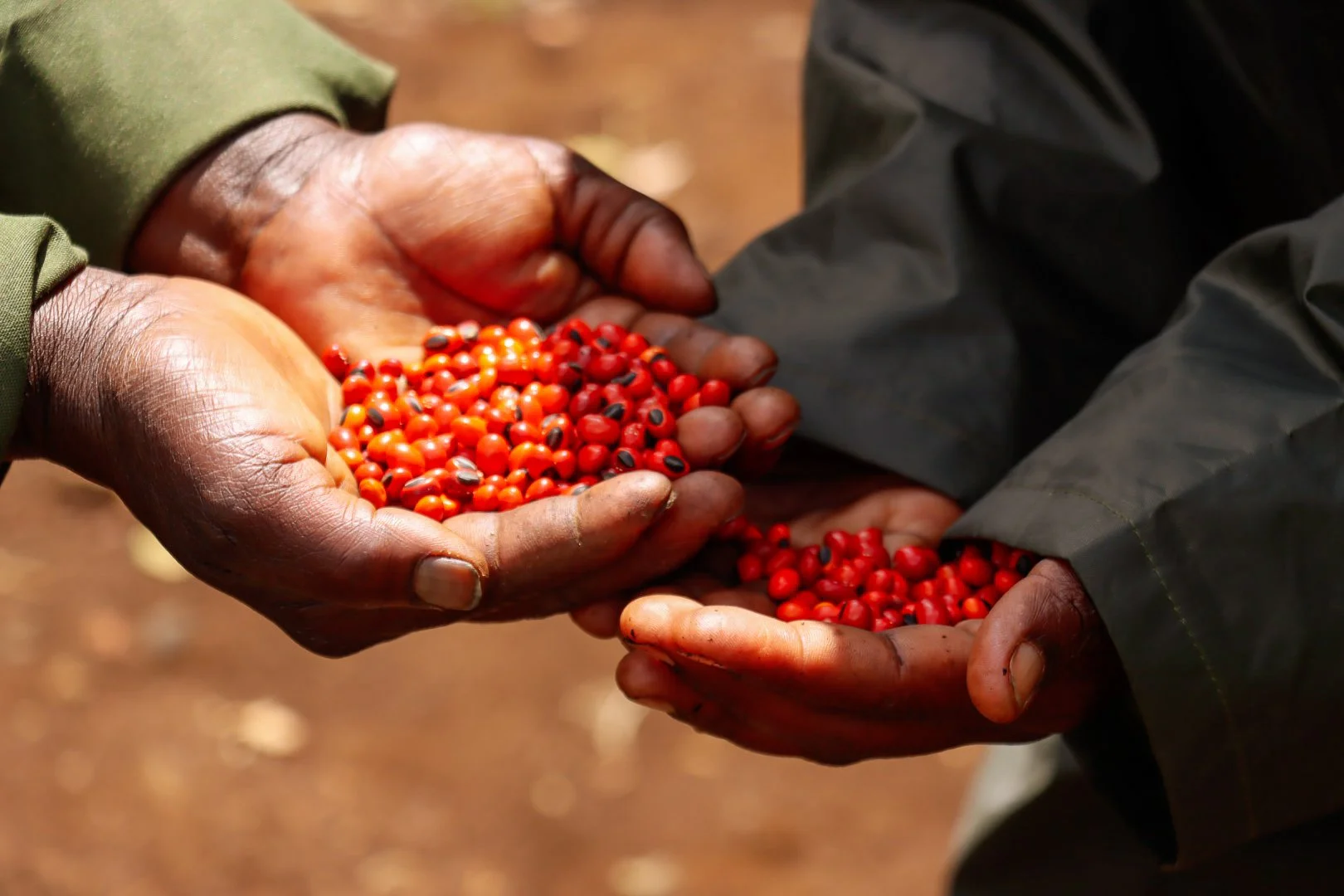
Mother trees are often the largest and oldest trees in the forest. They play a vital ecological role, connected to surrounding plants through underground fungal networks that allow trees to exchange nutrients and chemical signals.
Once identified, these trees are carefully monitored. Participants track seasonal flowering and fruiting cycles, so that seeds can be harvested when they are mature and most likely to germinate.
From seed to seedling
Once seeds have been collected, they are nurtured in community nurseries. Local partners receive training in careful seed handling and nursery management so that as many seeds as possible germinate. Seeds must be cleaned, stored and sown correctly and seedlings carefully tended to so that they develop strong roots and stems.
These nurseries are centres of learning and opportunity where local people develop practical skills and create new sources of income.
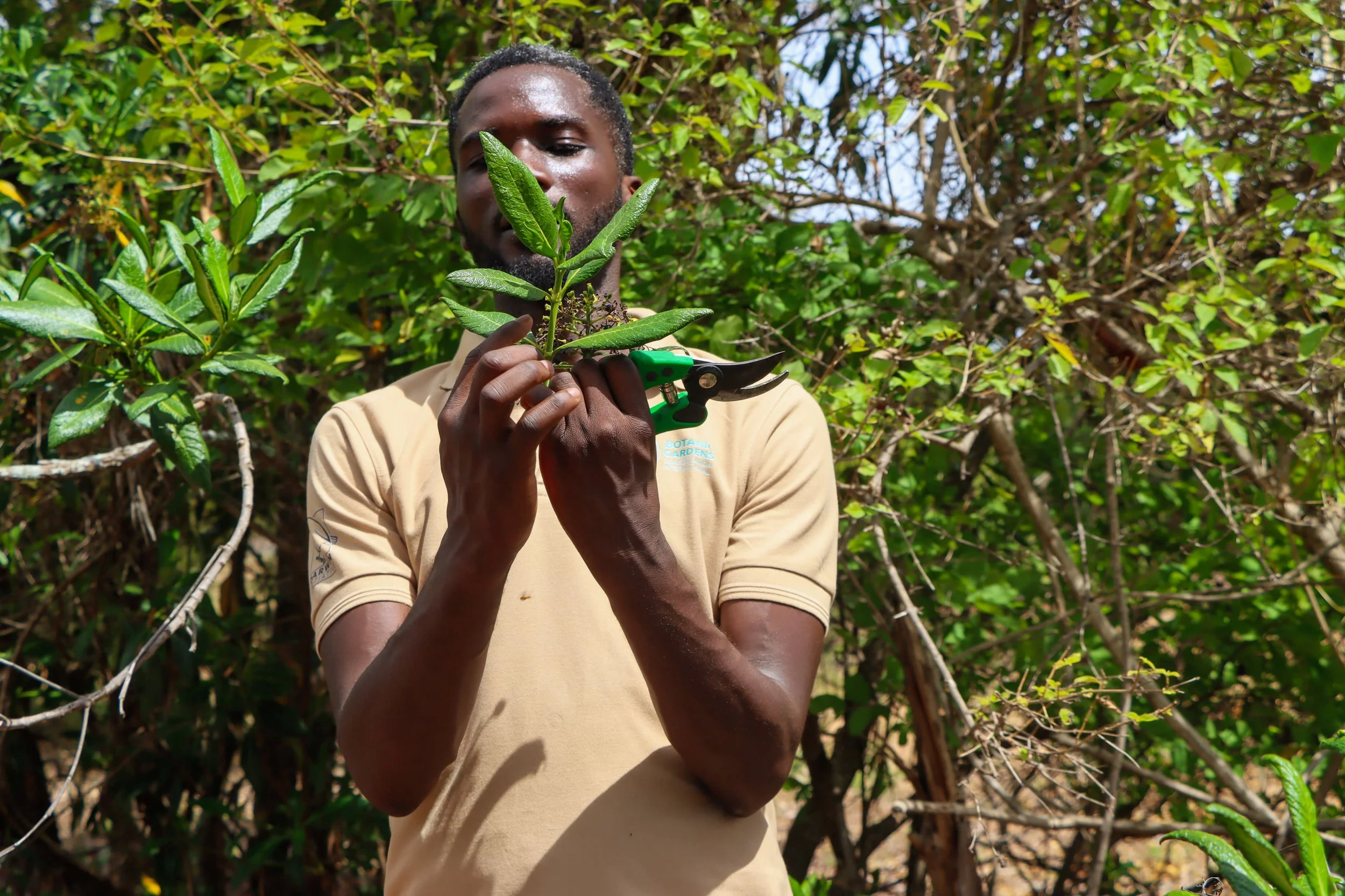
“Through training programmes, I have acquired skills in seed collection, the propagation of both threatened and native trees and nursery management,” says Simon Kairu, who now works as a forest scout caring for newly planted trees.
“The income generated from this initiative has significantly contributed to my ability to finance my son’s university education,” he says. “This project has profoundly transformed my life and career trajectory.”
Restoring forests and supporting livelihoods
After about nine months, the seeds have grown into seedlings which are now ready to be planted back alongside other indigenous trees to rebuild healthy, diverse forests.
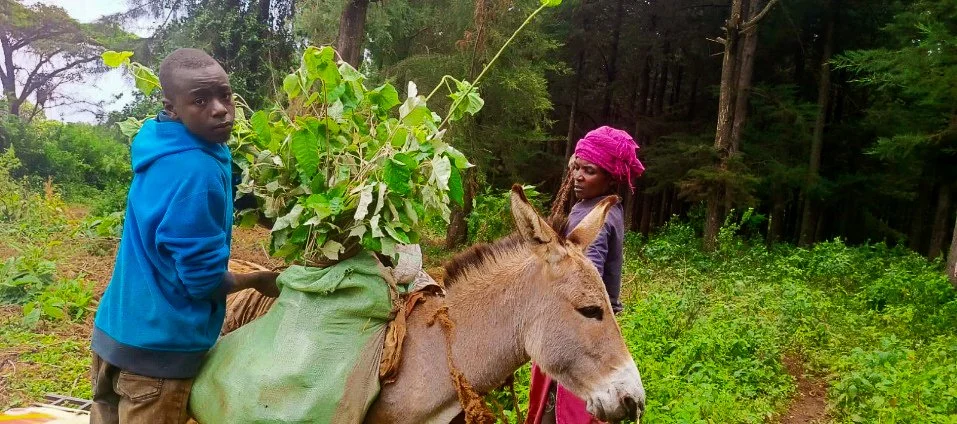
Ruth Kimunto plays a vital role ensuring that the trees reach their new home, “The initiative employs my donkeys to transport trees to locations inaccessible to tractors,” she explains. “Through the income generated from this service, I have been able to fulfil essential obligations. I have been able to pay for my rent and my three children’s education.”
Securing the future of Kenya’s forests
By identifying threatened species, nurturing seedlings and restoring them to the landscape, communities are helping secure the future of Kenya’s remarkable tree diversity. These restoration projects are also creating sustainable employment for local people who are working as forest scouts, nursery managers and planting and monitoring teams.
Together we can ensure that none of Kenya’s precious trees go extinct while growing healthy, resilient forests for the next generation. Thank you for supporting this vital work.
Help protect threatened trees
Trees are the lifeblood of our planet. When forests thrive, so do ecosystems and communities.