
Why trees matter: The incredible benefits of trees
The trees you plant with International Tree Foundation make a world of difference.
From the smallest seedling to the mightiest forest, trees are essential to life on Earth. They clean the air we breathe, cool our towns and cities, protect us from floods and droughts, and provide food and livelihoods for millions of people and homes for animals great and small.
From tackling climate change to improving our health, the benefits of trees are extraordinary. Discover why trees are so important and the many ways they help people, wildlife and our planet thrive.
-
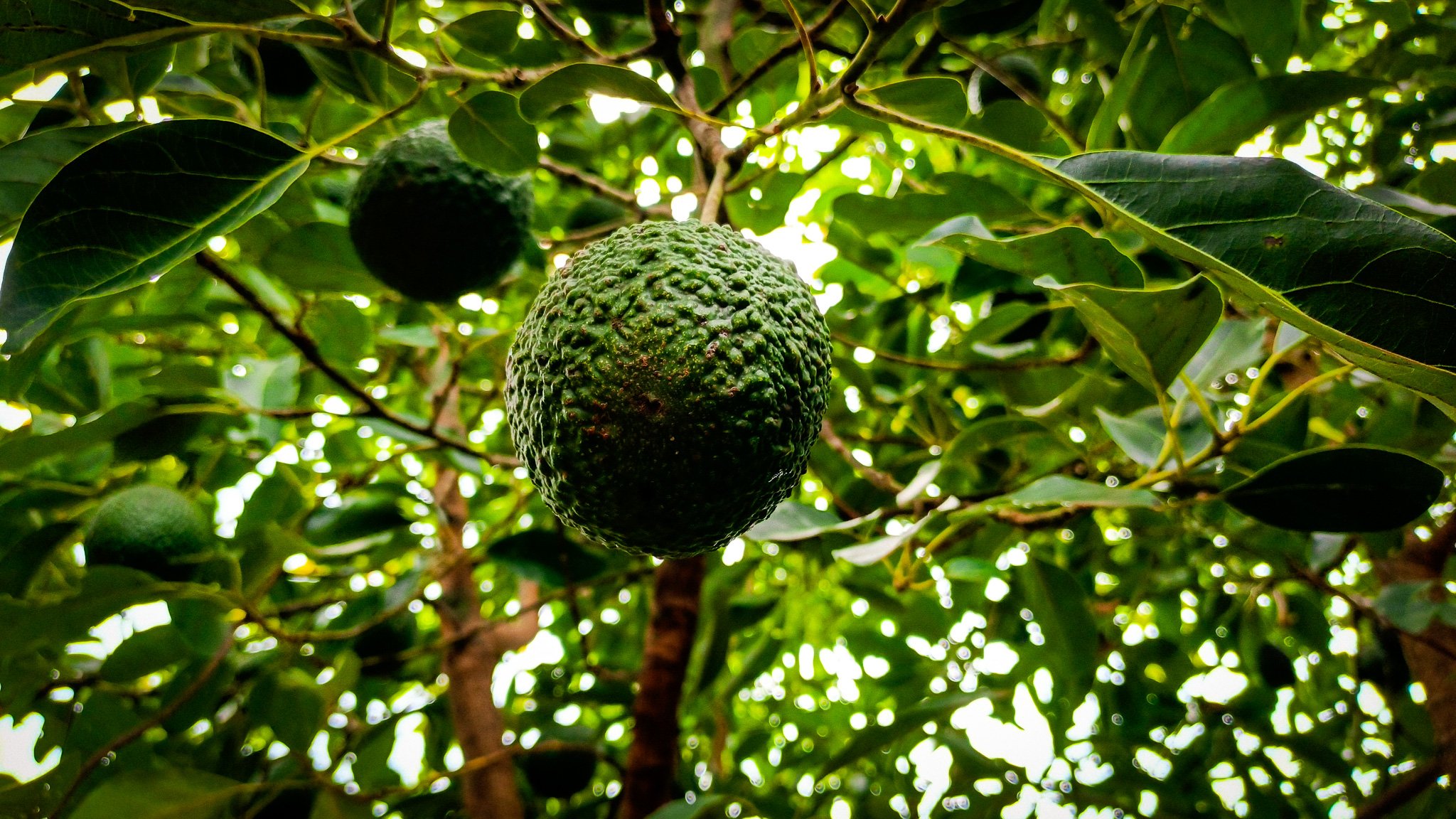
A precious food source
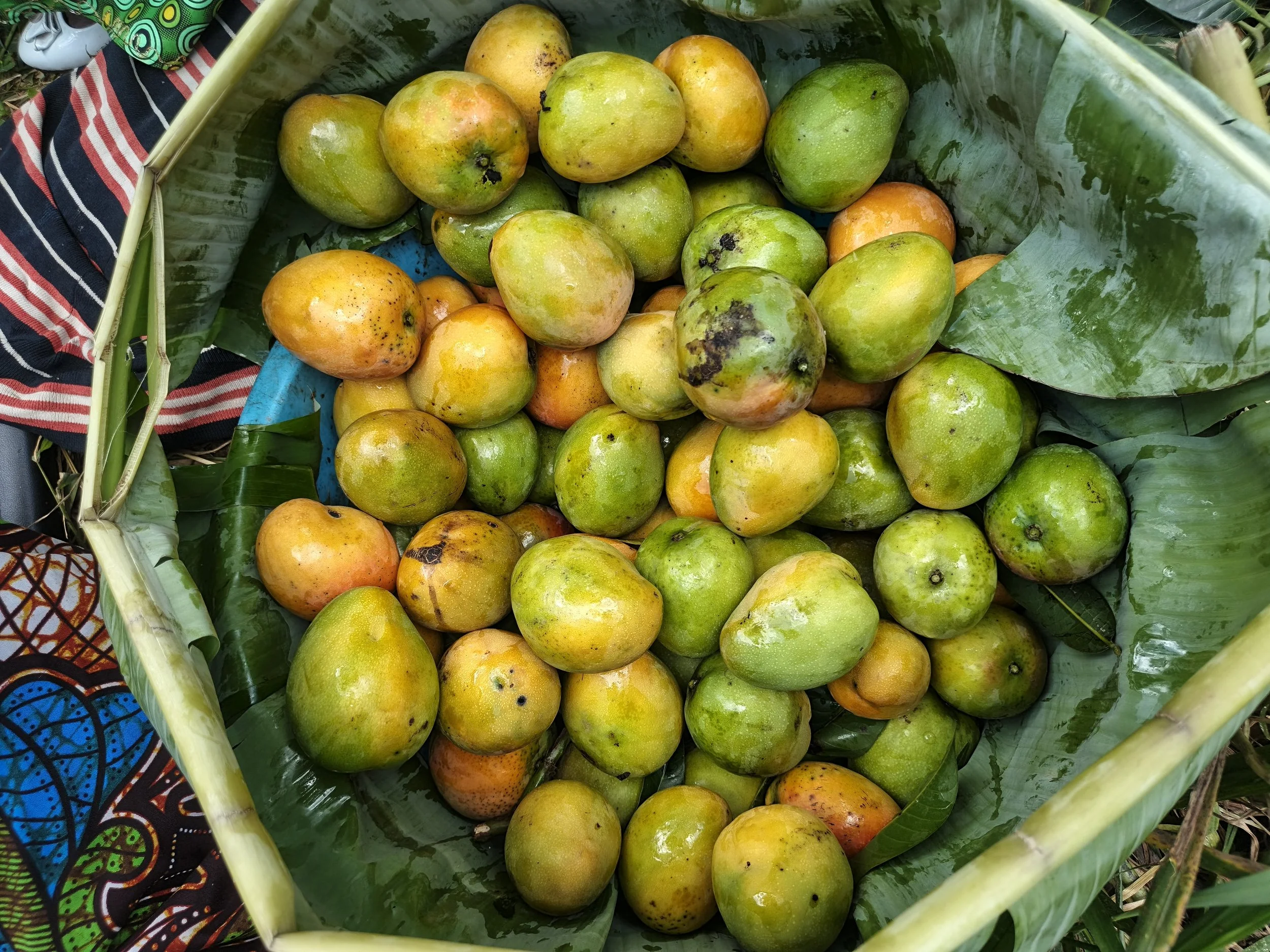
Fruit and nut trees are bringing delicious food to households across East Africa – a nutritious food source families can rely on. They can also sell this produce to pay for medicines and schooling!
-
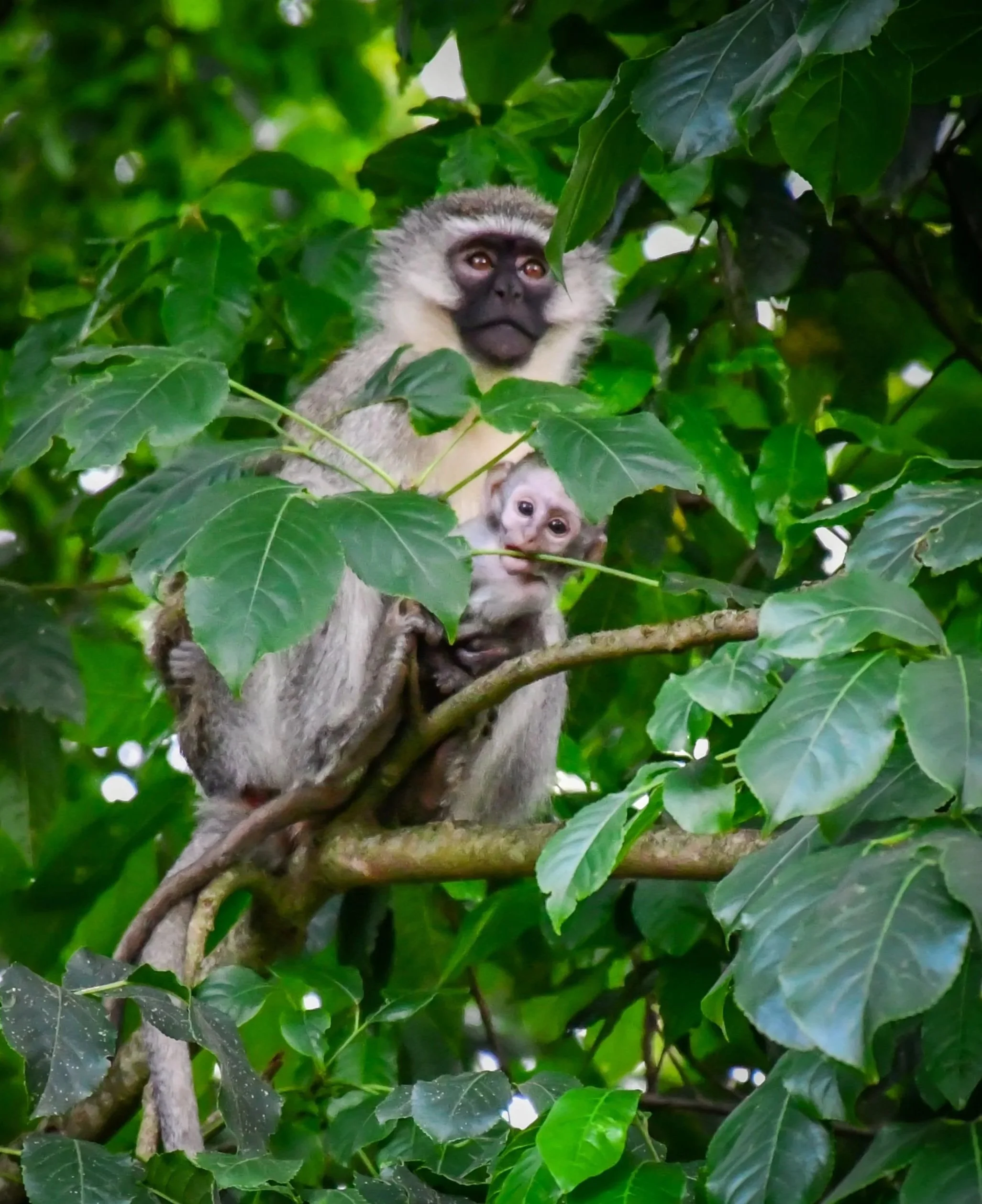
Thriving biodiversity
Trees are key to life in all its glorious diversity. Just one tree can support thousands of species, from plants and microbes to monkeys and elephants! Together, our trees and forests help the planet function properly.
-
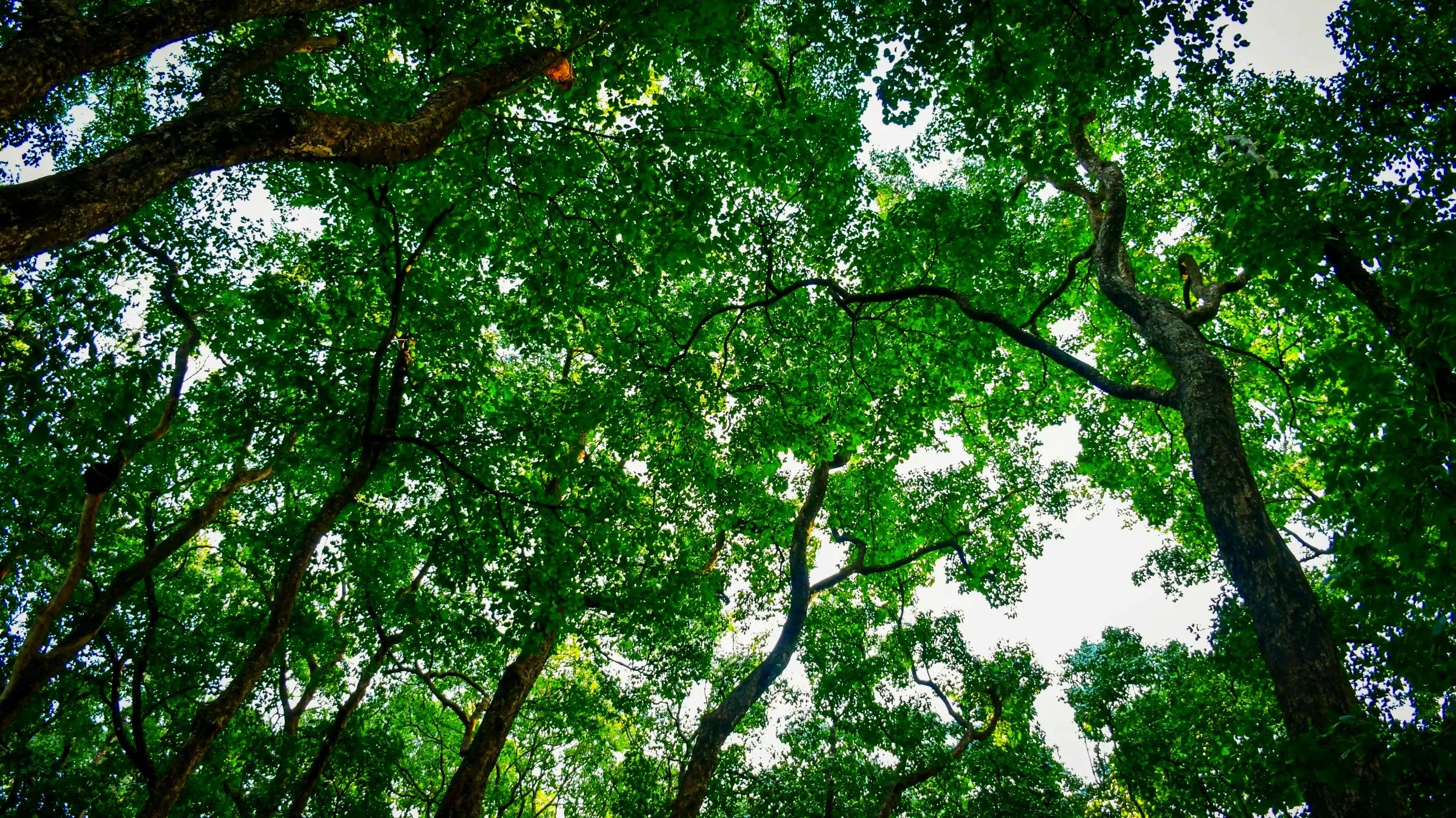
Absorbing carbon dioxide
Alongside the oceans and soil, trees absorb huge amounts of carbon dioxide, helping to reduce the greenhouse gases that trap heat in our atmosphere and drive climate change.
-

Safe from dangerous floods
Trees catch rain in their leaves, sending it down their trunks and releasing it deep into the ground. It’s a slow, gentle process, intercepting heavy rain and stopping dangerous flooding.
-

Peace and wellbeing
Trees are wonderfully healing. Time with trees lowers stress and anxiety; people report feeling greater energy, creativity, rest, purpose and peace.
-
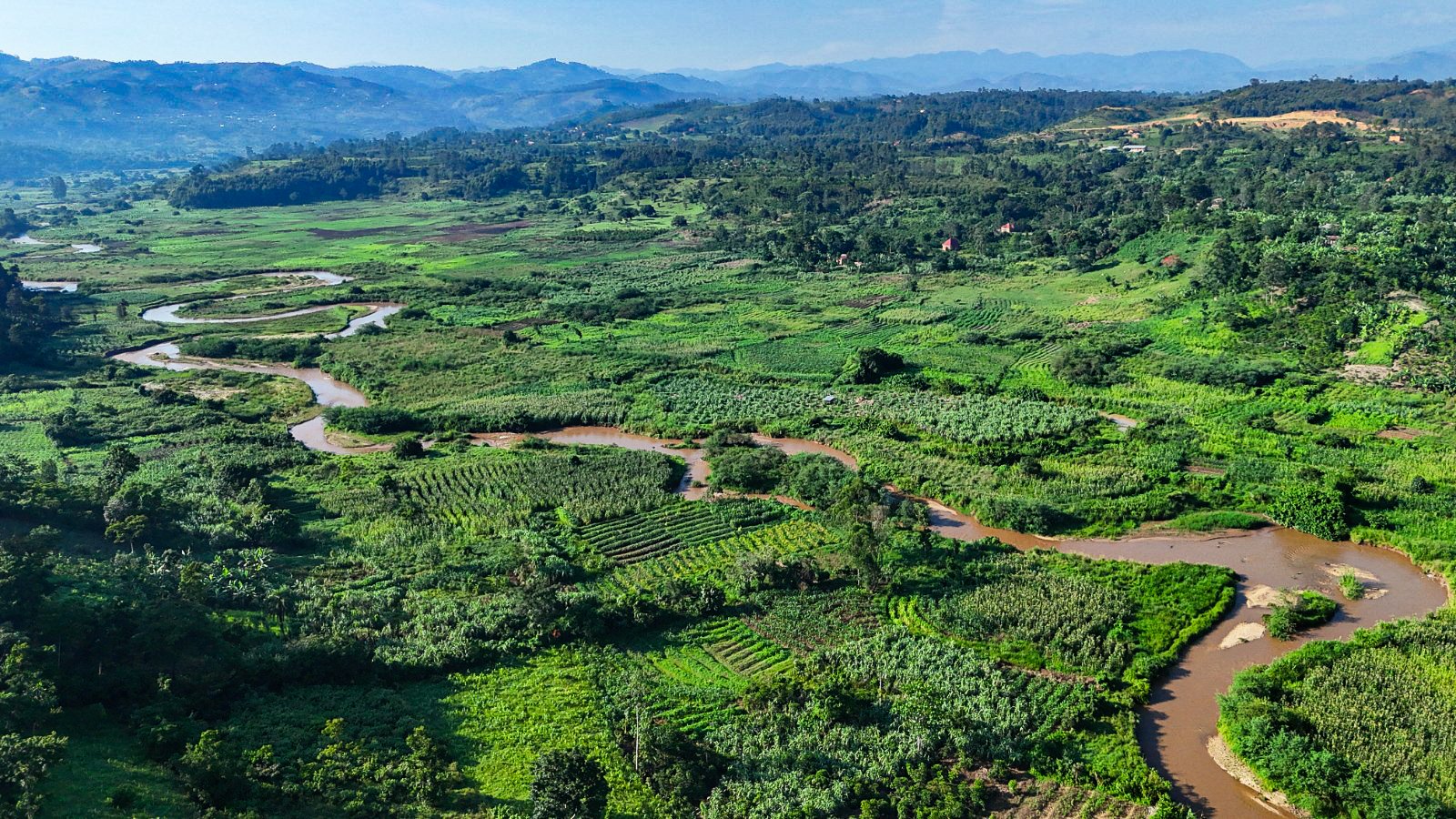
Healthy soil
Trees help keep soil healthy and fertile. Fallen leaves break down, adding nutrients to the soil and feeding the tiny organisms that help plants grow. Their roots hold soil in place, preventing it from being washed or blown away, while gradually breaking down rocks to help form new soil.
-

Natural air conditioning
Trees keep us cool in two ways. Their shade blocks the sun’s heat, while their leaves release water vapour into the air, cooling the surrounding area. Together, these natural cooling effects make a big difference during hot weather.
-
Better crops, bigger harvests
Small farmers plant different trees among their crops, attracting soil microorganisms and quality water, helping them produce bigger, better harvests! Climate change has made harvests far more unpredictable – trees help farmers grow more plentiful and reliable crops, helping them to thrive instead of just survive.
-
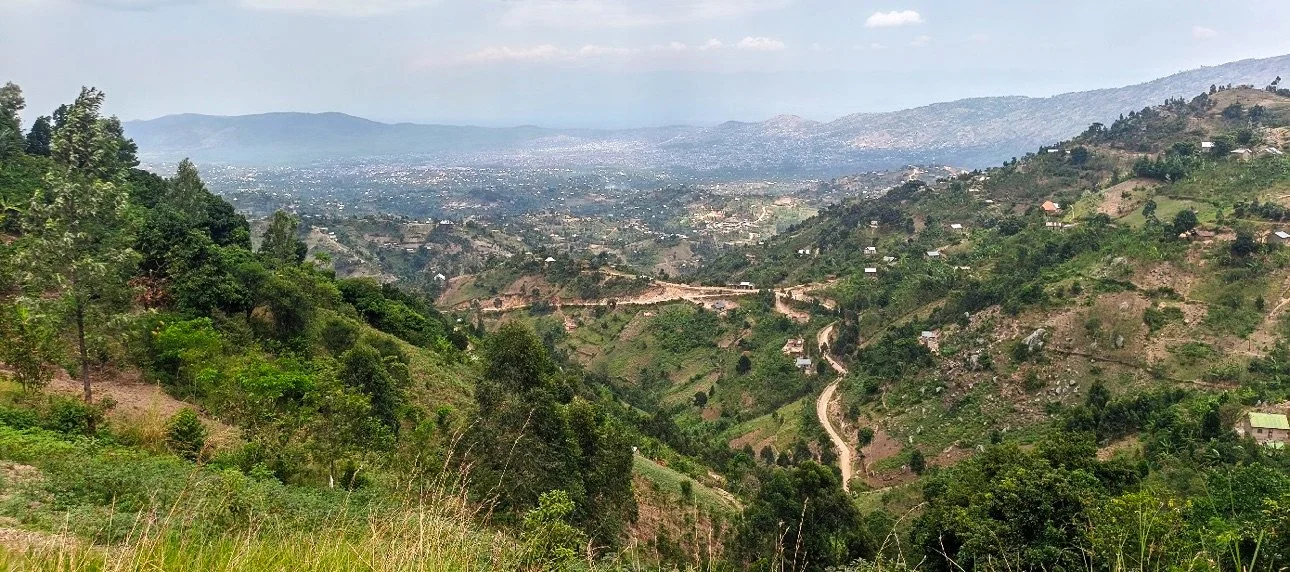
Protection from landslides
Tree roots go deep into the soil, anchoring it to make it firm and safe. Even in heavy rain, the soil won’t crumble or run away, forming a deadly mudslide. Your trees could save lives!
-

Fighting drought
Trees and vegetation create over 40% of overland rainfall, through transpiration and evaporation. Planting trees here in East Africa increases rain and guards communities against the threat of drought.
-
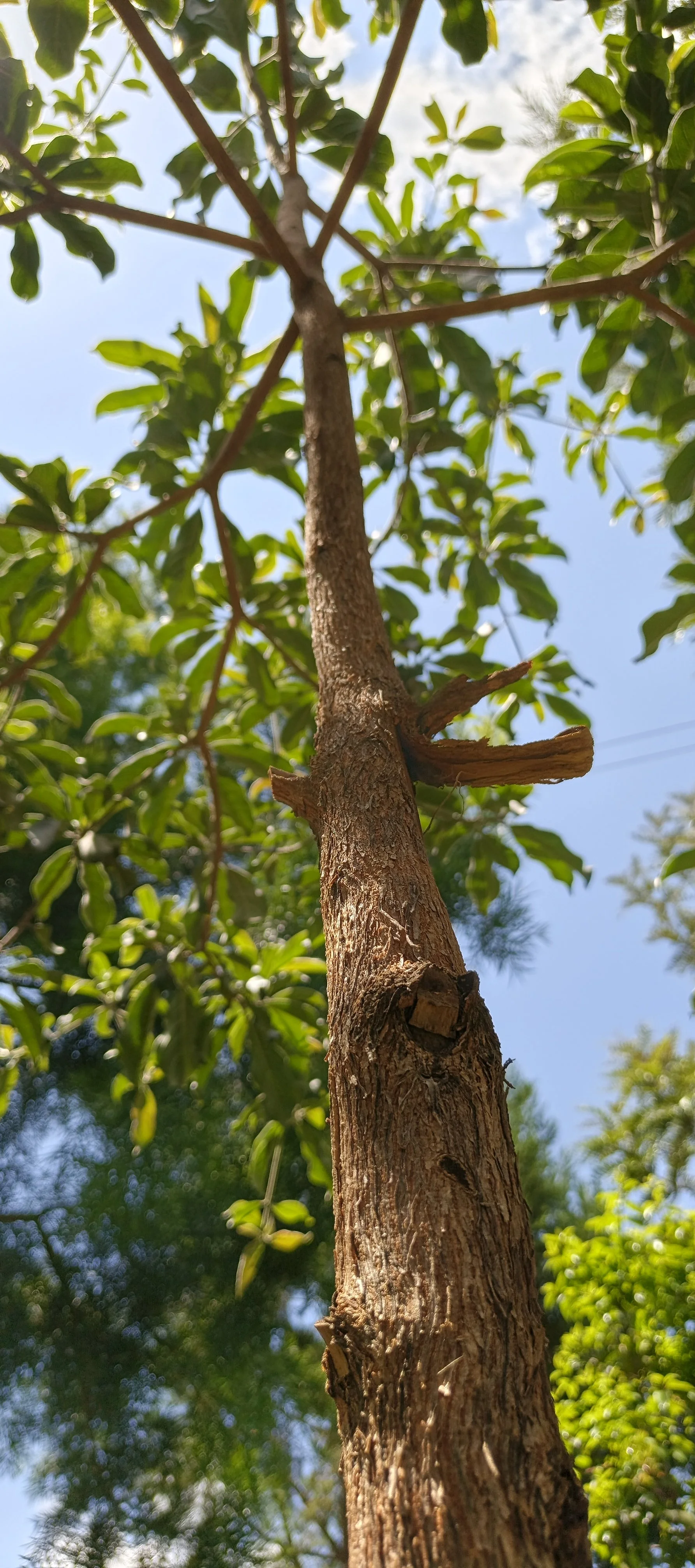
Growing medicine
Trees are rich in natural medicines, producing everything from painkillers to quinine. Trees and forests are a "living pharmacy” of amazing medicines.
-
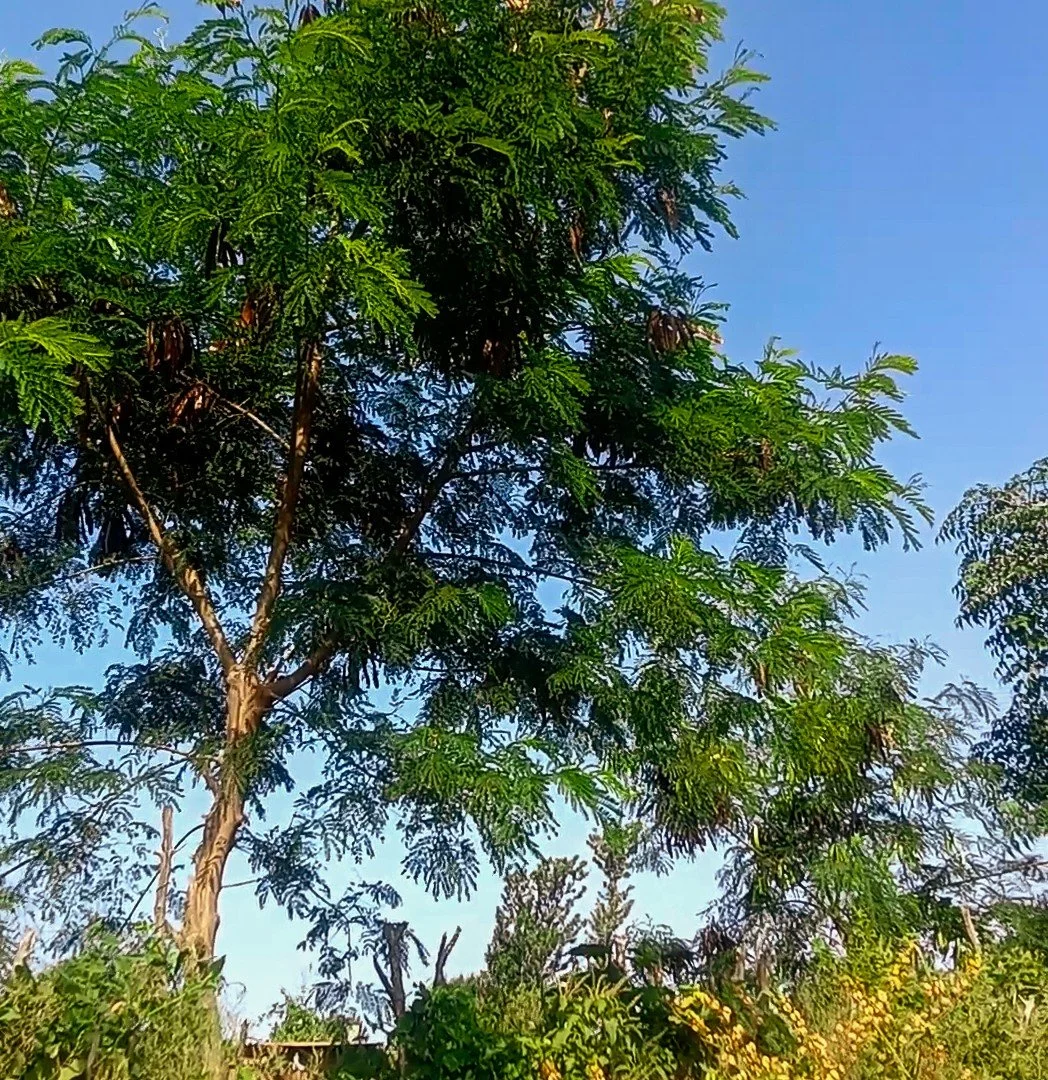
Physical health benefits
Trees heal and rejuvenate our bodies. The physical benefits are endless, from lowered blood pressure and better memory to quicker recovery time for injury!
-
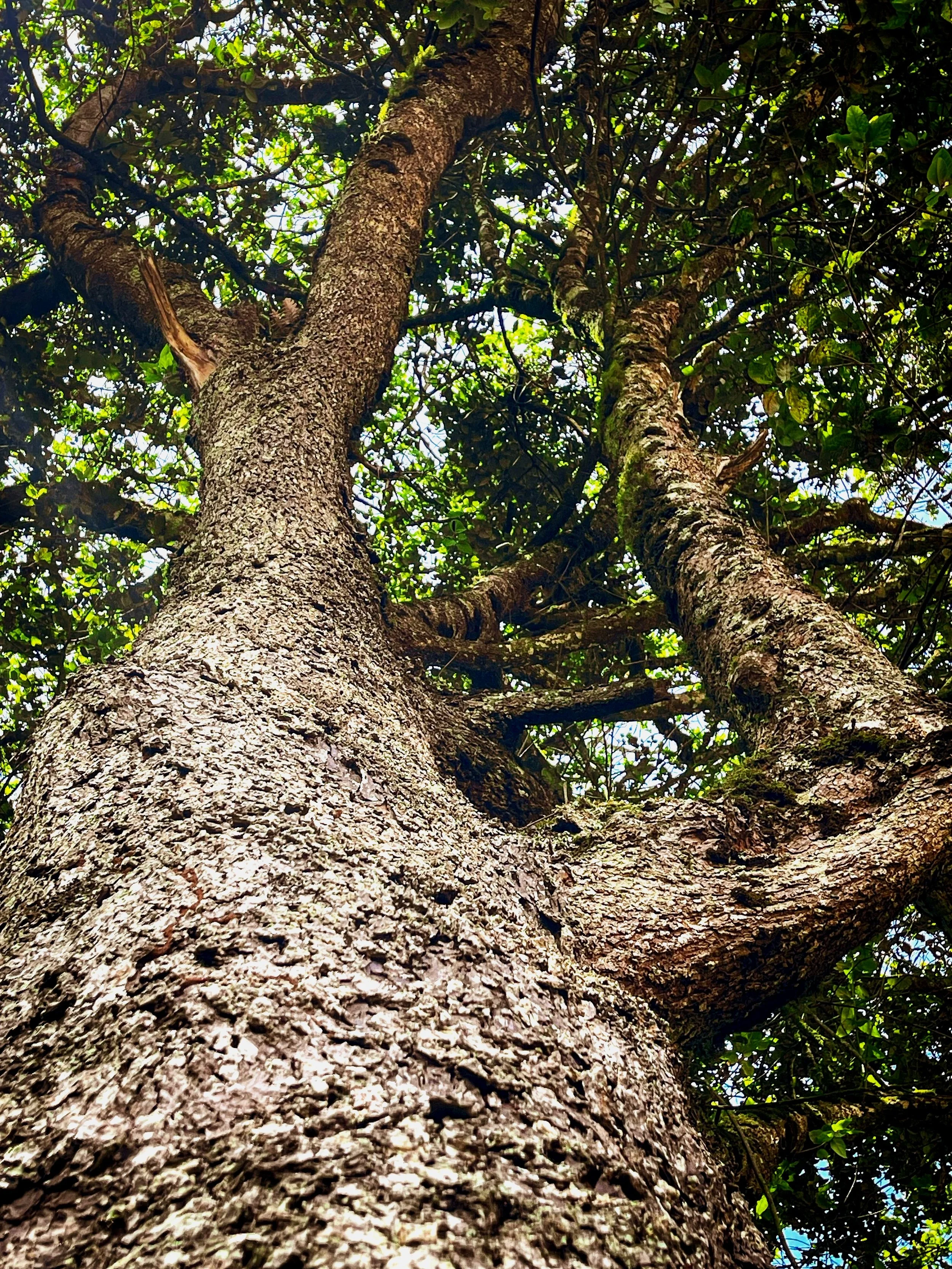
Cultural links to the past
Trees connect us to the millions of people that went before us, playing a huge in art, literature and music, as well as cultural practices and spiritual experiences.
-

Climate adaptation
As climate change brings more extreme heat and disasters, trees help communities adapt. Their roots reduce erosion and landslides. They slow rainwater runoff, reducing flooding, while their shade keeps soil cooler and helps retain moisture during droughts. Together, these benefits help communities protect their land, grow food and adapt to unpredictable weather.
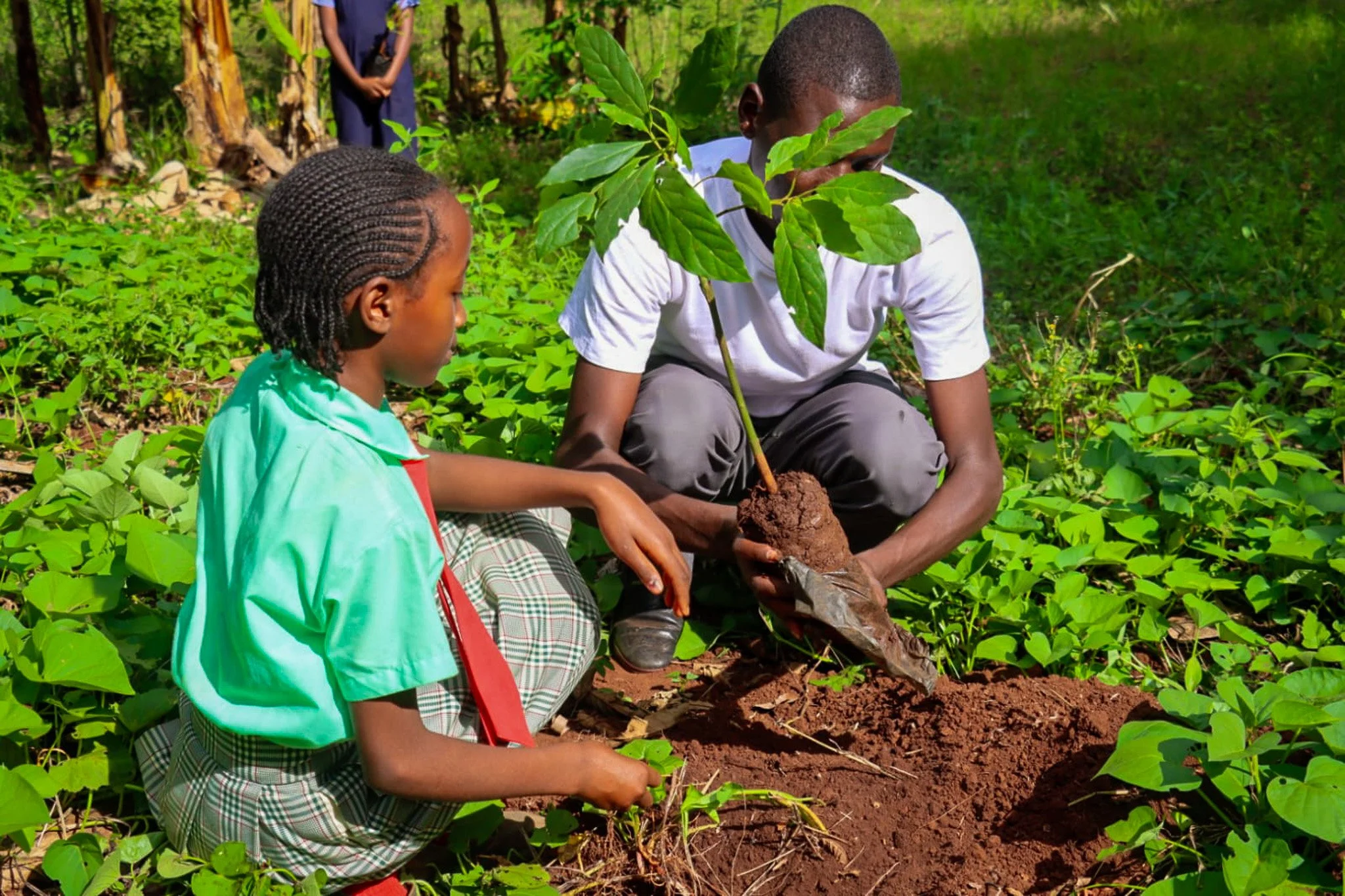
Why are trees important?
Trees support life on Earth by producing oxygen, absorbing carbon dioxide, providing habitats for wildlife and protecting soil and water. They also provide food, medicine and livelihoods for communities around the world.
What are the main benefits of planting trees?
Planting the right trees in the right places can restore damaged ecosystems, protect biodiversity, absorb carbon dioxide, improve soil health and support local communities.
How do trees help fight climate change?
Trees absorb carbon dioxide as they grow, storing carbon in their trunks, branches, roots and surrounding soil. They also help communities adapt to climate change by providing shade, protecting soil and reducing the effects of flooding.
How do trees benefit humans?
Trees provide food, medicine, cleaner air and shade. Spending time among trees can also improve our physical and mental wellbeing. And they help mitigate the devastating effects of climate change.
Plant trees today
Your trees can do all this and more
Gift trees
Celebrate a loved one, mark a milestone or say thank you with trees.
Donate today
Help plant trees that provide food and income for today and protect nature for tomorrow
Plant trees every month
Join ITF and plant trees, grow forests for the long-term transform ecosystem