

Where your trees grow
When you plant a tree for someone, that tree is only the beginning of the story.
Your gift will grow in vital ecosystems around the world, tended to by communities of passionate people and changing landscapes and lives in sometimes unpredictable ways.
Here’s how your trees are providing food and income for today and protecting nature for tomorrow.
When you gift trees with International Tree Foundation, your trees will be planted in one of these three projects in East Africa.
Kenya
The forest where elephants raise their calves
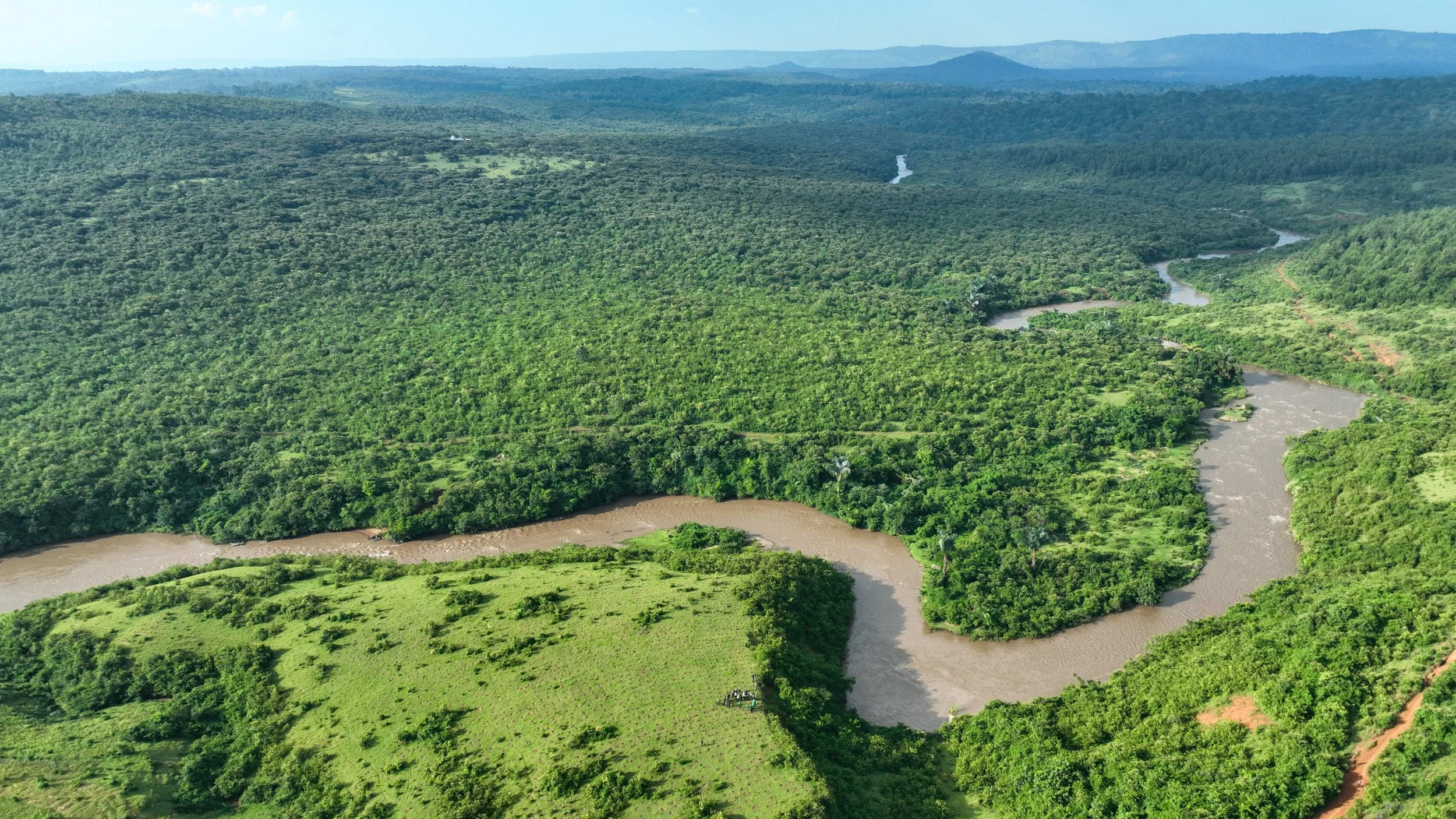
On the slopes of Mount Elgon, internationally recognised as one of the most important wildlife habitats in East Africa, we’re helping to restore Kaboywo forest.
So far, 24,800 trees have gone into the ground, with more than 300 local people involved in planting and caring for them. Their hard work is already paying off – as the forest recovers, wildlife is returning. Kaboywo is one of the places local elephants have chosen to raise their calves and the return of native tree species is creating habitats for birds, insects and other animals that depend on a diverse, functioning forest ecosystem.
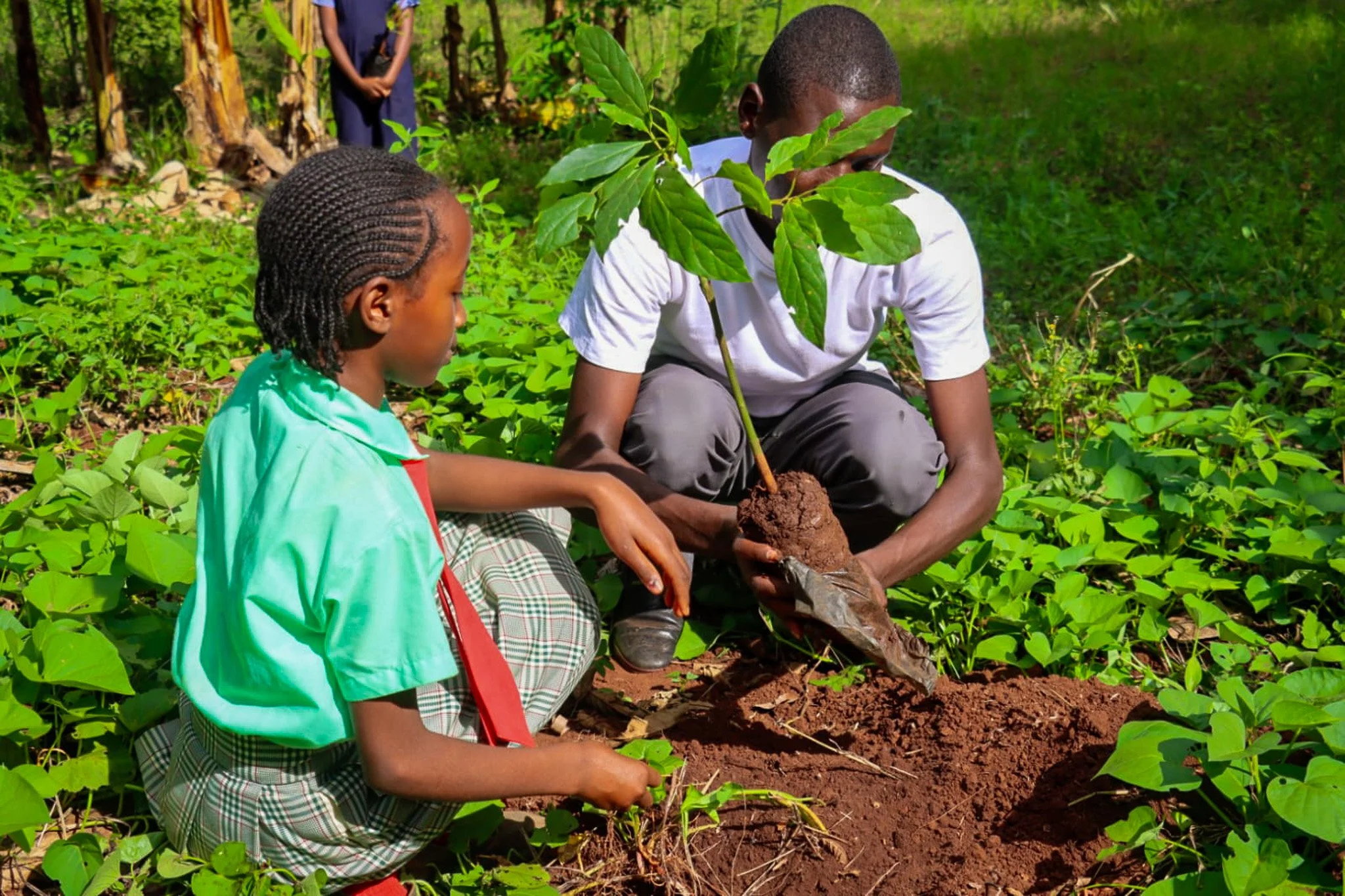
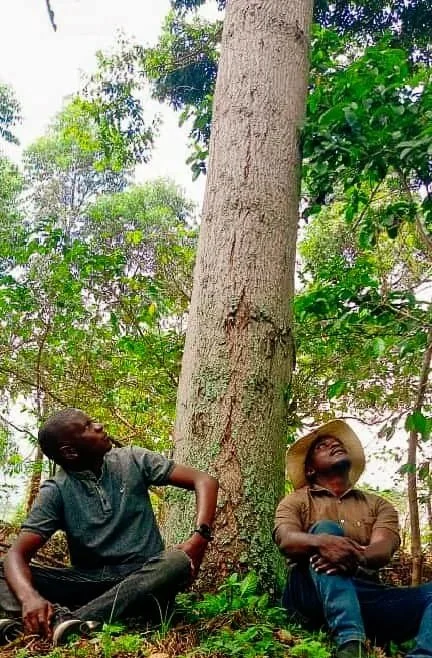
Billy Kiptoch is a teacher at a local school that’s involved in the restoration. Ask him why his students spend time planting trees and he’ll give you three clear reasons: “We plant trees because we understand their importance. First, some of the trees will produce fruit, secondly, they will help reduce soil erosion and thirdly, they will help in cleaning the air.”

Uganda
A harvest worth waiting for
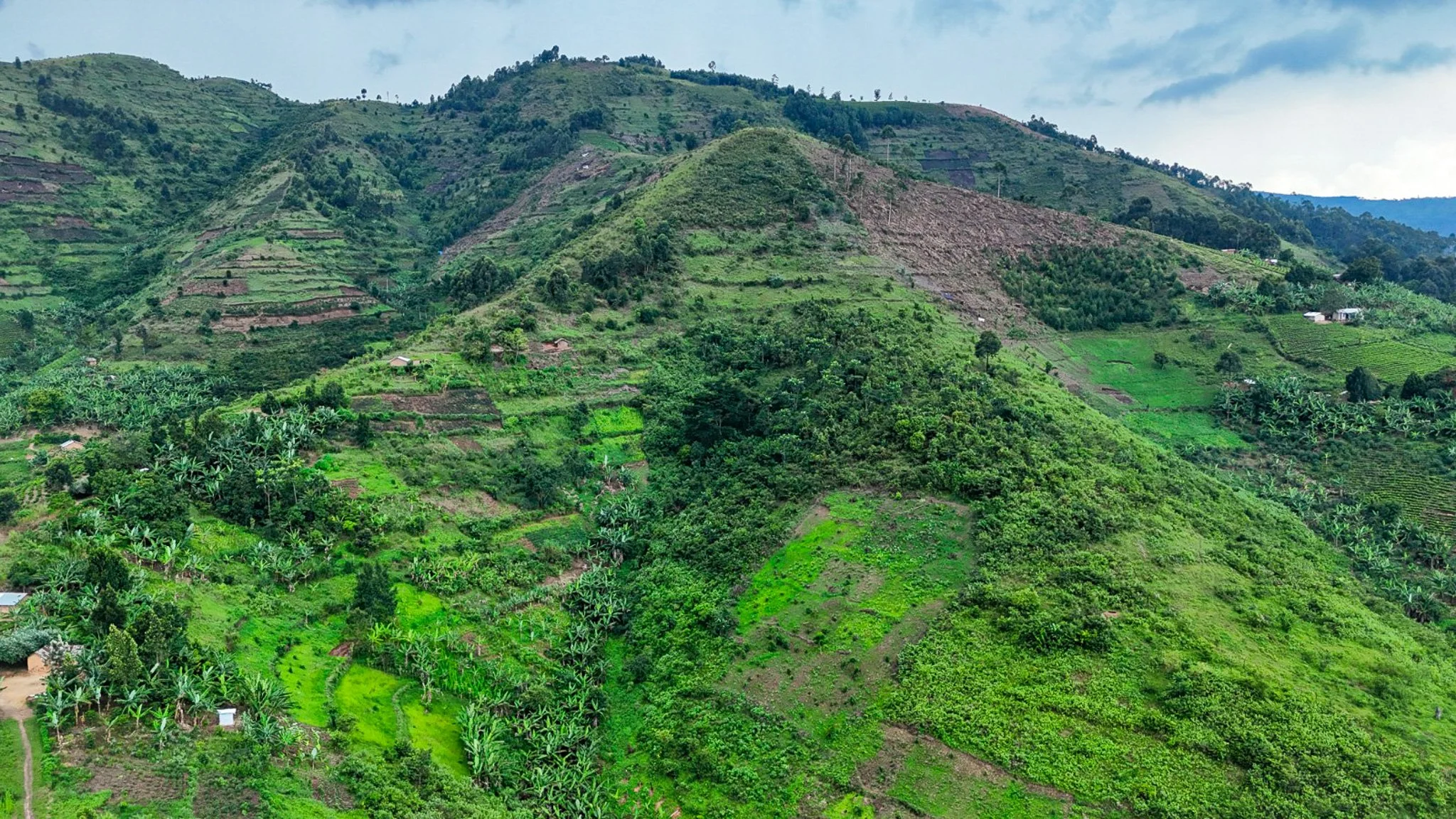
On the steep hillsides of Kasese District in western Uganda, where soil erosion and landslides are an increasing threat, a project run with local group Alpha Women Empowerment Initiative is changing what’s possible for women and their families.
When Salome Muhindo received 116 seedlings from the group – a mix of fruit trees and agroforestry species – she planted and tended to them carefully. Before long, they were ready.
“I’ve started harvesting pawpaws,” she says. “They're earning me a good income.” With another 28 grafted mango trees also growing, she’s hoping for more fruit to come.
Salome’s story is one of many in the Kasese District. Long-standing cultural barriers have often made it harder for women here to earn an income or take part in decisions about the land they depend on, but your trees are supporting the delivery of agroforestry training for women and girls, then providing hands-on roles in planting and caring for the trees around them.
On Kasese’s steep hillsides these trees can do vital work: their roots anchor soil, slowing the surface flow of rainwater and reducing the risk of landslides that threaten communities below. Without trees life will become increasingly unstable as climate conditions get tougher.
Tanzania
The nursery that changed everything
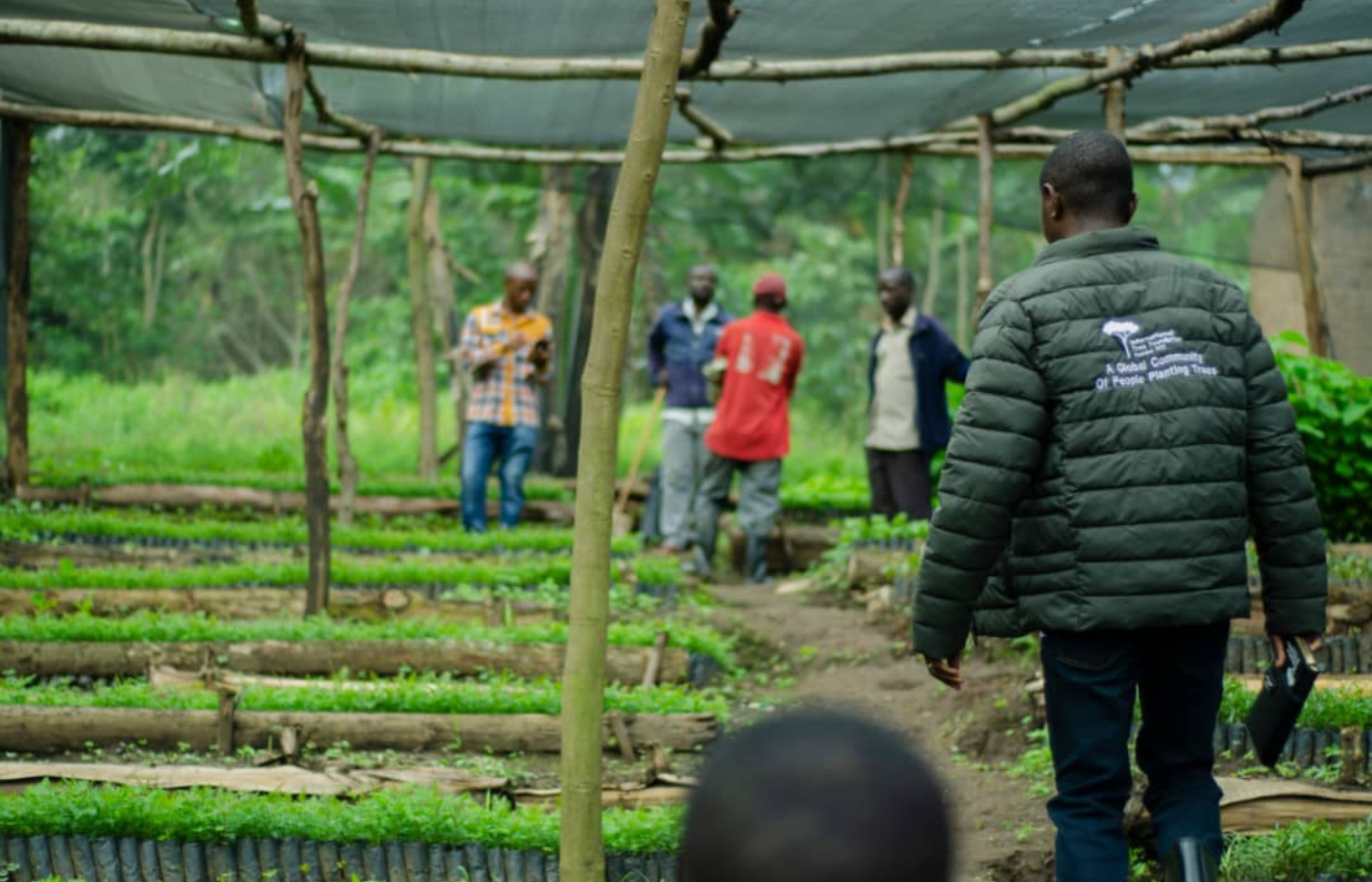
Near the Usambara Mountains in Tanzania, Saumu Salimu checks on rows of seedlings in a community tree nursery, watching for the signs that tell her which ones are ready to be planted out and which need a little longer. It’s careful, patient work, but it’s changed her life.
“This has enabled me to earn an income, which has become my source of a livelihood, to meet my needs and sustain my entire family.”
Salimu is one of many people whose lives are being transformed, showing the impact of your donations can go well beyond the trees themselves. One of our local partners in Tanzania, Changamoto Youth Development Organization, focus their work on the spaces where people gather every day – health centres, schools and places of worship – so that newly planted trees are seen, valued and cared for by the neighbourhoods who’ll depend on them.
So far, 35,128 trees have gone into the ground and the nursery that supplies our Lushoto District project has been restocked with more than 50,000 seedlings, ready for the next round of planting.
Every £2 plants a tree
The tree your donation plants might one day shelter an elephant calf in Kenya or supply fruit for a family for generations. It might shade a school playground in Tanzania, or protect a community in Uganda from landslides on the hills.
This is a gift that keeps growing.
Featured occasions
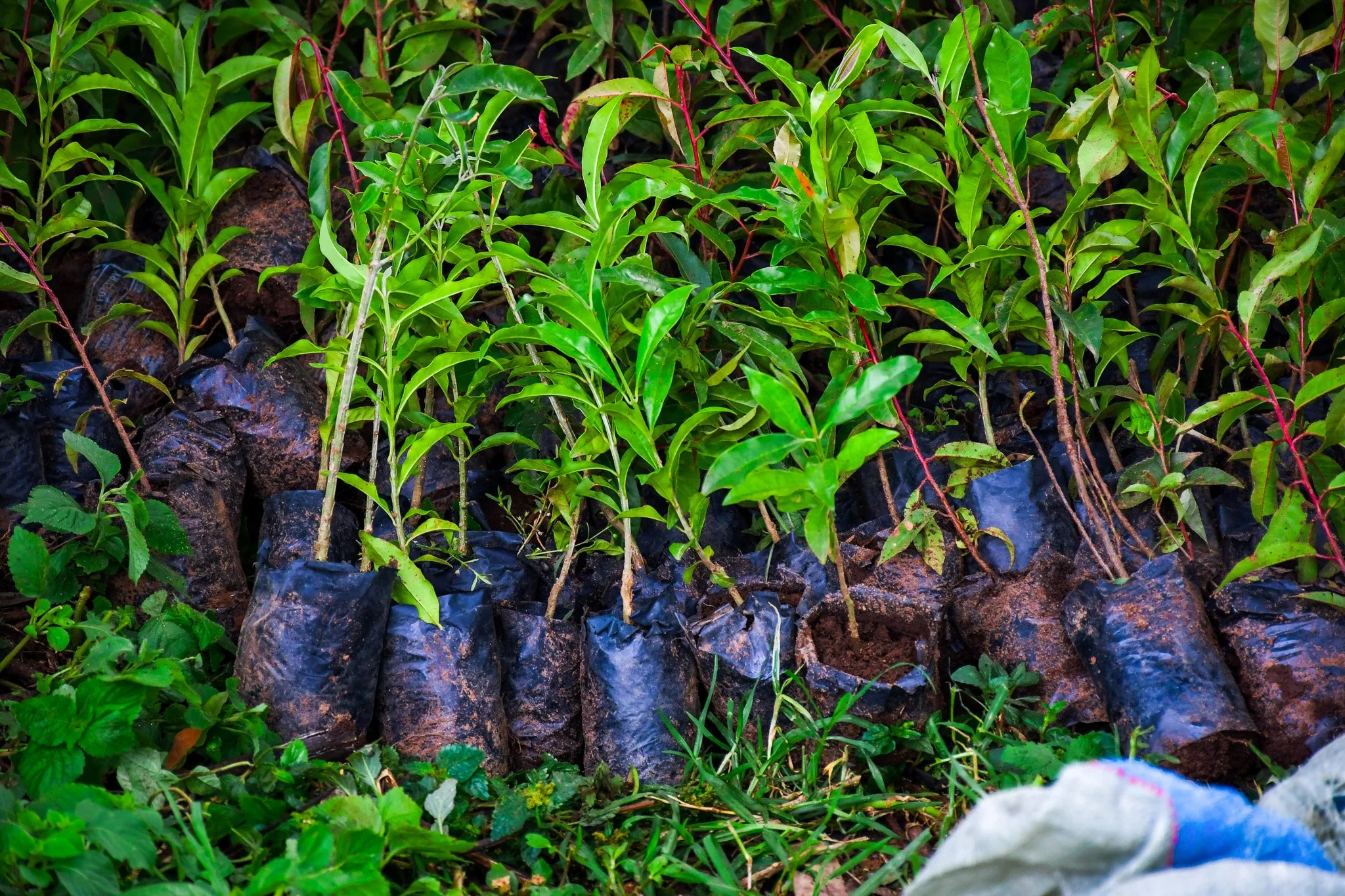
Every tree planted through an ITF project starts as a seed, grown in partnership with local people through community nurseries. Each tree is only planted in its permanent home when it’s strong enough to thrive.
After planting, we monitor and protect trees for at least three years, until they’re fully rooted in the environment.
We go above and beyond. Unlike other planting organisations, we always choose the right species for the right places, with local organisations and communities staying involved long after the planting day is over.
ITF has been doing this work for more than a century. That experience is what makes the difference between a tree that’s just planted and a tree that survives to benefit people and landscapes.
How we make sure your trees survive

All of this, thanks to you.
Gift trees today.
ITF in numbers
Over 100 years of community-led restoration
Over 8.8 million trees planted in the last 12 years
750 hectares of forest conserved or restored in 2025
0 shareholders - ITF is a registered charity, so no profit is taken out and every pound you invest stays in the mission
Progress on 8 of the 17 UN Sustainable Development Goals, delivering benefits for people and the planet
Part of a global movement for nature