

Your Company Forest in action in Kenya
Through your Company Forest, your organisation will plant trees and restore ecosystems in vital landscapes across three countries. Here’s what that work is achieving in Kenya.
Kenya: why it matters
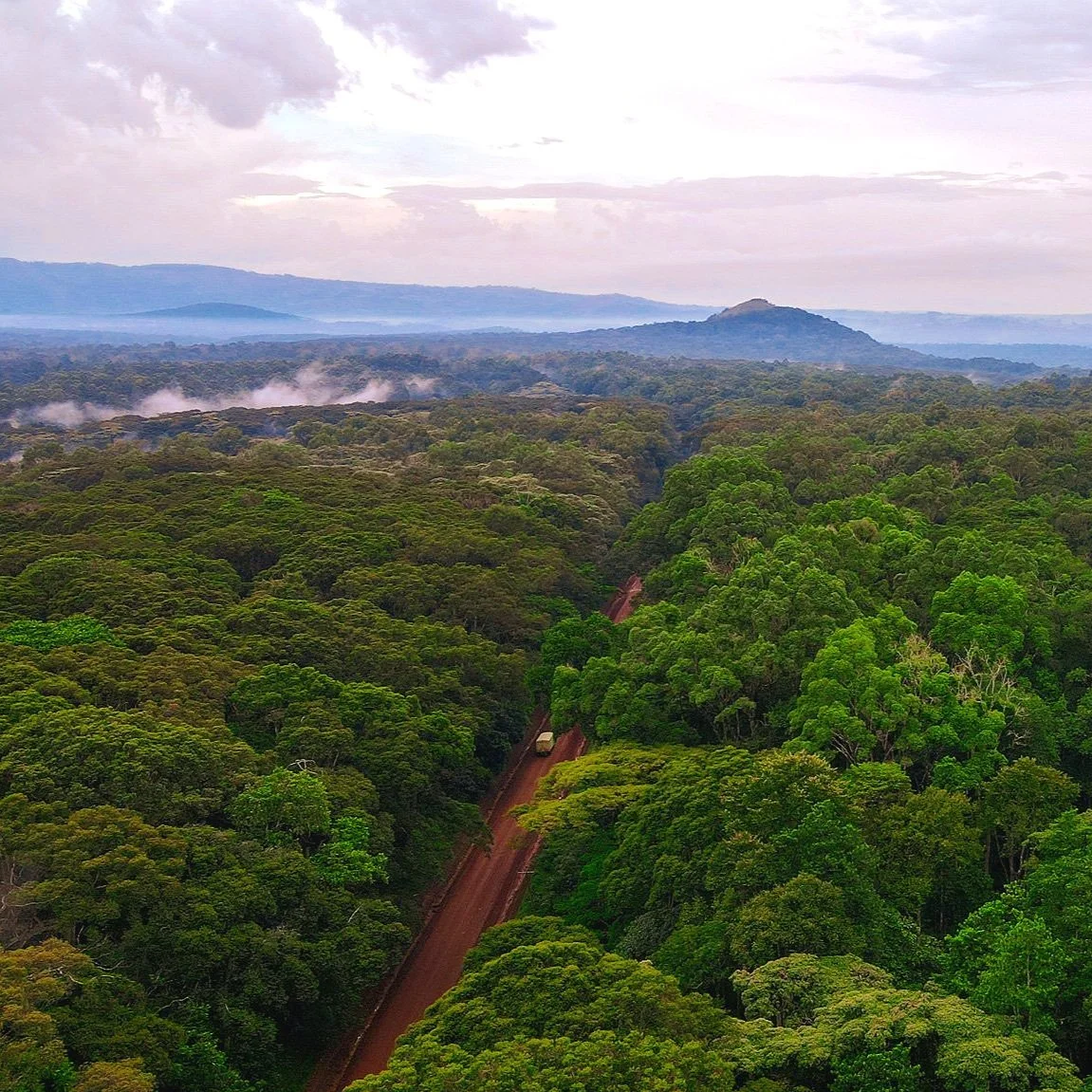
Home to some of East Africa’s most important forest ecosystems, Kenya has landscapes that regulate water for millions of people, shelter extraordinary biodiversity and sustain the livelihoods of communities who depend on the forest around them. Yet around one in ten of the country’s native tree species now faces extinction. Restoring forests like these is one of the most effective responses to climate change we have.
How we plant trees here
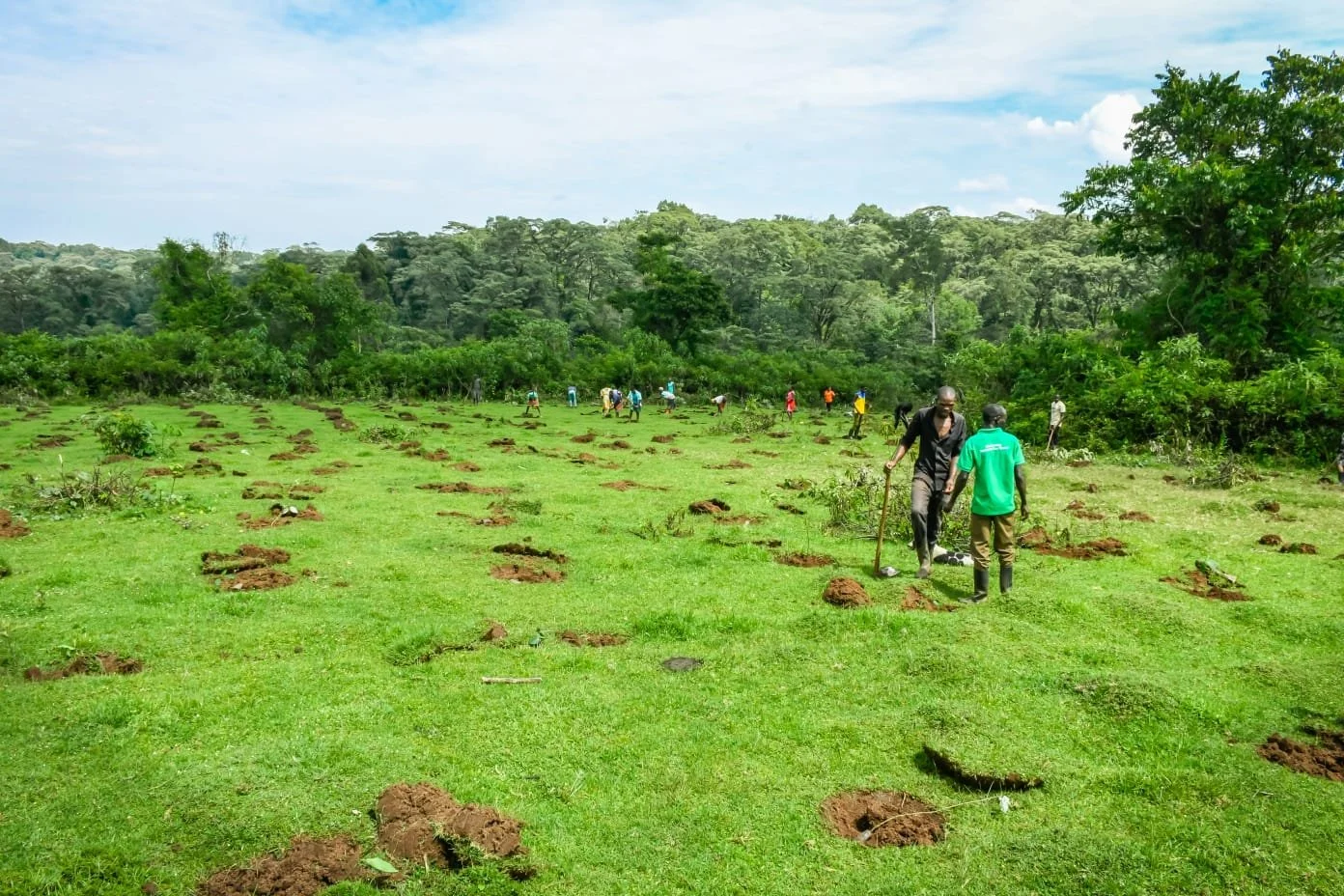
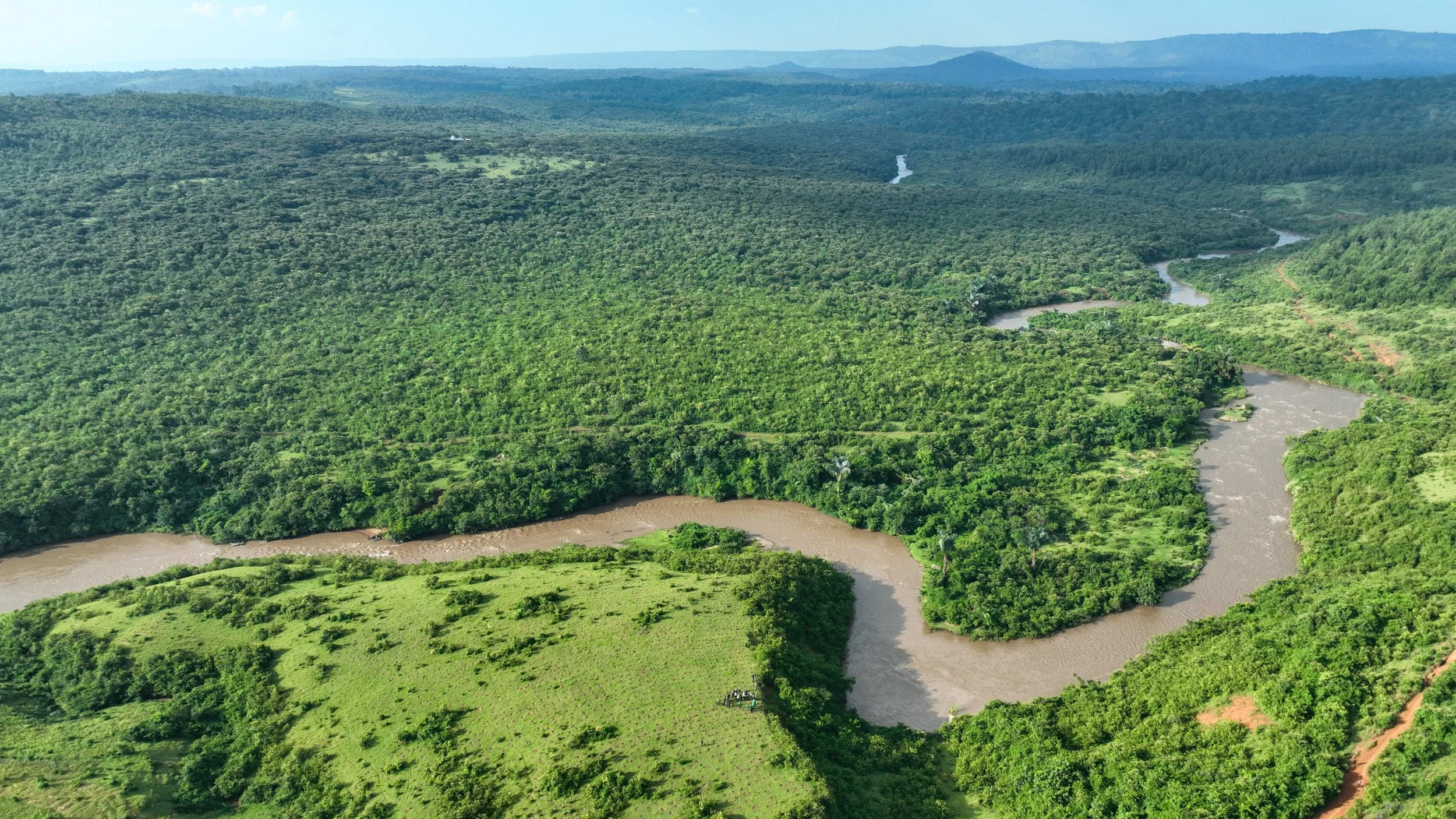
Across Kenya, we work with local communities and forest associations to plant trees in the places where they make a lasting difference. When you start a Company Forest, you’ll be planting trees that help to restore Kaboywo Forest. This internationally recognised wildlife habitat, part of the Mount Elgon landscape that crosses the Kenya-Uganda border, has already seen 24,800 trees go into the ground, thanks to companies like yours.
The trees we plant
Every tree is carefully selected for the site. Among the species going into the ground at Kaboywo are:
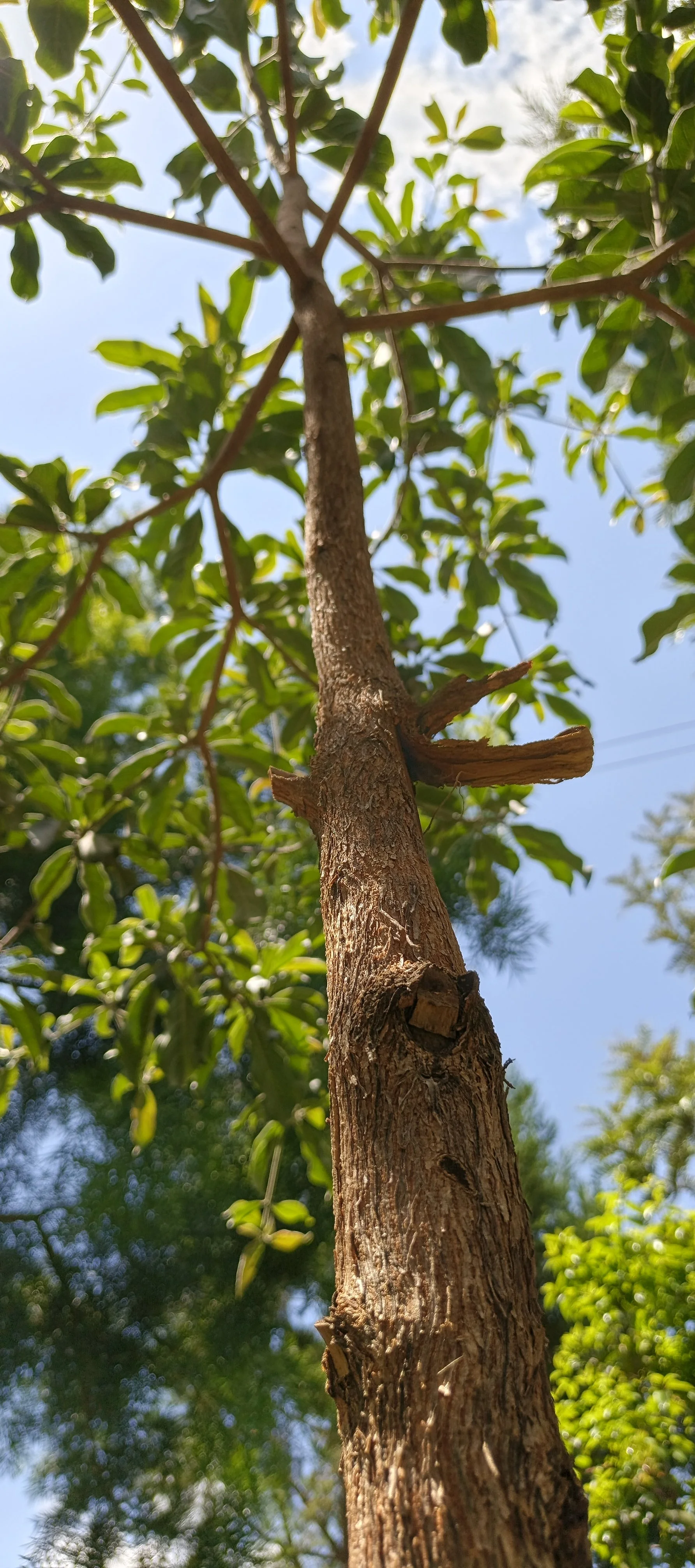
Elgon teak, Olea welwitschia – a native hardwood that will eventually tower over the forest floor, with a canopy that can provide crucial microclimates and shelter for wildlife as it matures.
African cherry, Prunus africana – a threatened species whose bark has supported traditional medicine for generations, and whose berries provide a critical food source for birds.
How we look after them
Unlike many large-scale planting programmes, we focus on careful species selection, proper site preparation and ongoing maintenance by the community members involved in the project. More than 300 local people have taken part in preparing planting sites, transporting seedlings and tending these young trees through their most vulnerable years. At Mount Elgon, two local scouts have also secured longer-term employment watching over the planting sites as the trees establish themselves.

How your trees will help
Water
Kaboywo Forest is a water tower: its trees regulate the water cycle, feeding the rivers that communities downstream rely on. Restored trees slow rainfall runoff, improving water storage in soils during dry periods and reducing the risk of flooding after heavy rain.
Climate
Trees capture and store carbon dioxide as they grow. The native, long-lived species planted at Kaboywo will lock carbon away for decades, making forest restoration one of the most long-lasting natural climate solutions available. At the same time, tree roots stabilise soil, prevent erosion and help farms and landscapes adapt to the more intense rainfall and longer dry seasons that climate change is bringing to this region.
Wildlife and biodiversity
As Kaboywo Forest recovers, wildlife is returning. The forest is already one of the places local elephants have chosen to raise their calves, and the return of native tree species is creating habitats for birds, insects and other animals that depend on a diverse, functioning forest ecosystem.
Threatened species
Around one in ten of Kenya’s native trees faces extinction. By prioritising threatened species like Prunus africana when planting, your Company Forest will help to protect these valuable trees.
And that’s not all…
The impact of a Company Forest in Kenya goes well beyond the trees themselves.
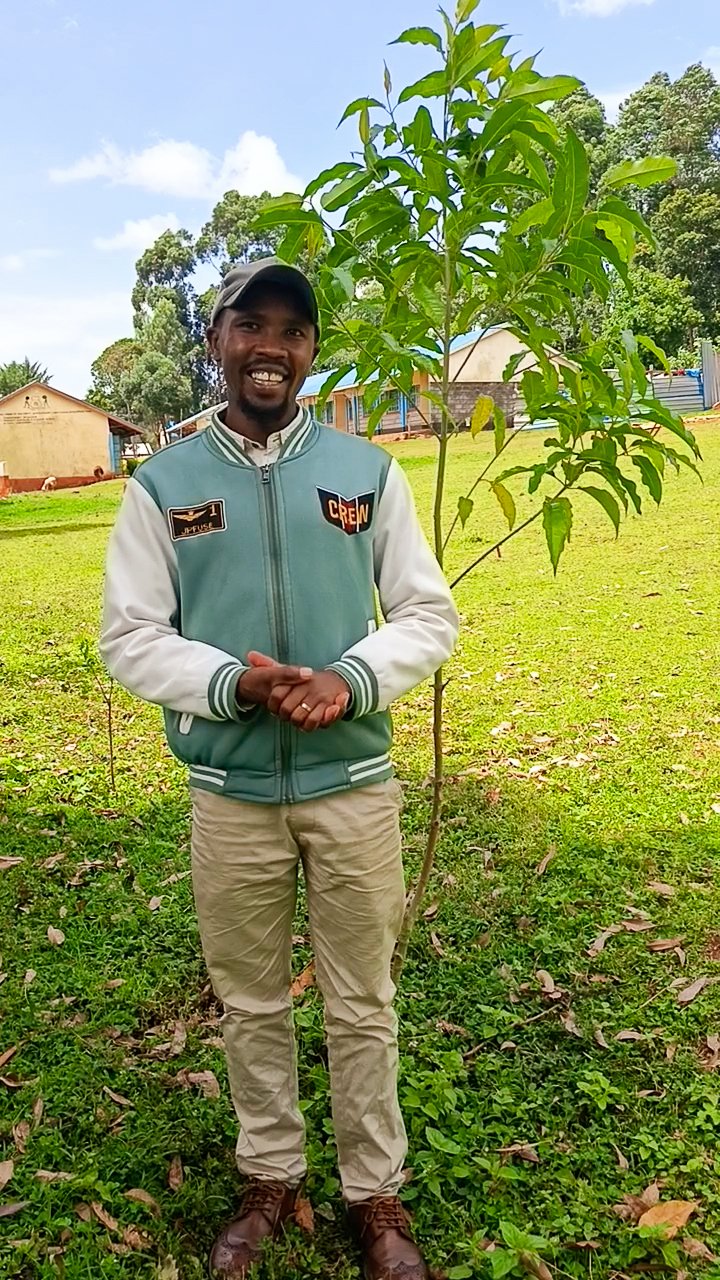
Billy Kiptoch teaches at Kaptelelio Secondary School on the slopes of Mount Elgon – one of the schools involved in our restoration work. Ask him why his students spend time planting trees and he’ll give three clear reasons:
“We plant trees because we understand their importance. First, some of the trees will produce fruit, secondly, they will help reduce soil erosion and thirdly they will help in cleaning the air.”
Not far from Billy’s school, we’ve worked with one of his neighbours, Moses, to plant trees on his own compound, in a small personal echo of the restoration happening at scale just over the hill. This is how community-led restoration grows: not through top-down instructions, but through support, visibility and evidence that the trees are working.
Across Kenya more broadly, our work is creating change that lasts. Near Kakamega, eco-stoves have eased the pressure households place on forests by reducing the firewood needed to run them. Families in Meru are earning an income from planting, maintenance and the sale of fruit and other produce. Women’s representation in local forest associations is also growing and with it the quality of decisions that neighbourhoods make about the land they depend on.
Why businesses choose ITF
“Partnering with the ITF lets us turn our values into action, every tree planted is a small step toward a healthier planet, and that's something Strand Europe Ltd is proud to support.”
Strand Europe
“Thank you for making it so easy for us and our customers to be part of something meaningful. Looking forward to continuing this partnership!”
Get Laid Beds
“We believe nature is worth investing in. We're proud to support projects that help people, wildlife, and the planet thrive together. ”
Famille
Start your Company Forest
All of this, thanks to your Company Forest.
Every £2 donated plants a tree which is monitored, maintained and reported on for years to come while providing holistic benefits back to the community who plant it.
As a Company Forest partner, you will receive regular updates and stories from the landscapes your investment is restoring – everything you need to share this positive impact with your teams, customers and stakeholders.
To find out what a Company Forest could look like for your organisation, get in touch today.
ITF in numbers
Over 100 years of community-led restoration
Over 8.8 million trees planted in the last 12 years
750 hectares of forest conserved or restored in 2025
0 shareholders - ITF is a registered charity, so no profit is taken out and every pound you invest stays in the mission
Support for 50 local community organisations to increase their forestry and agroforestry capacity
80% or higher tree survival rate across all our projects thanks to our participatory monitoring and GIS data
Progress on 8 of the 17 UN Sustainable Development Goals, delivering benefits for people and the planet
Delivering restoration for global partners